
Tata Trusts meet today to weigh Tata Sons listing mandate amid deepening governance rift
At the core of the conflict is whether Tata Sons must go public after the Reserve Bank of India (RBI) designated it an “upper layer” non-banking financial company, a classification carrying a listing mandate.
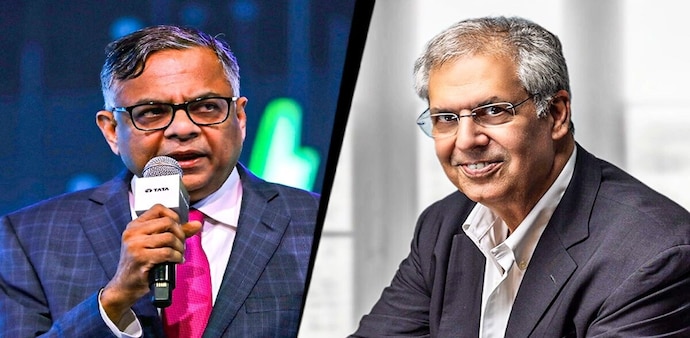
- Nov 20, 2026,
- Updated Nov 20, 2026 12:38 PM IST
India’s $185 billion Tata Group is entering a critical fortnight as a governance dispute between its founding family and board directors spills out of the boardroom and threatens to paralyze key operations.
Tata Trusts, which owns 66% of holding company Tata Sons Pvt., is scheduled to meet on November 20 — its first formal gathering since a September board meeting exposed a sharp divide over a potential public listing and Chairman Natarajan Chandrasekaran’s tenure, Bloomberg reported. The Tata Sons board is expected to revisit both contentious issues next week.
At the core of the conflict is whether Tata Sons must go public after the Reserve Bank of India (RBI) designated it an “upper layer” non-banking financial company, a classification carrying a listing mandate.
While directors backing a float argue it would improve governance and remove regulatory overhang, Trusts Chairman Noel Tata and his allies fear a listing would dilute their control and expose the conglomerate — which owns businesses ranging from Jaguar Land Rover to Tetley tea — to hostile takeovers.
“My worry is that listing, which is what some people are proposing, will change the Tata way,” Noel Tata said at the Hindustan Times Leadership Summit in New Delhi earlier this month. With 30,000 to 40,000 shareholders, “profit may take precedence over philanthropy.”
The confrontation erupted on September 17 when Tata Sons directors overruled Noel Tata’s opposition to advance listing efforts and extend Chandrasekaran’s term by five years. The rift has since fractured the philanthropic Trusts themselves:
Trustees Venu Srinivasan and Vijay Singh have separately challenged Noel Tata on governance matters.
Noel’s half-brother, Jimmy Tata, has reportedly backed Chandrasekaran’s reappointment and a public listing, breaking with Noel’s stance.
Noel’s position was further weakened by the exit of Darius Khambata, a vocal defender of keeping Tata Sons private. In a recent letter to Srinivasan and Singh seen by Bloomberg News, Khambata criticised their public campaign against the Trusts' leadership and accused them of taking internal disputes to regulators and the media.
Ahead of next week's Tata Sons board meeting — which will also review quarterly performance — Noel Tata is expected to push two alternatives to avoid a public listing:
- Corporate restructuring: Folding Tata Electronics Systems Solutions Pvt. and Tata Consulting Engineers into Tata Sons. This would convert the entity into a holding-operating company, potentially bypassing the RBI’s listing requirement if approved by the board and the regulator.
- Shareholder monetisation: Backing a plan by minority shareholder Shapoorji Pallonji Group to monetize part of its stake through a phased capital reduction, allowing Sterling Investments Corp. and Cyrus Investments to sell shares in two tranches over 18 months to ease pressure for a public float.
The standoff is already disrupting business operations central to India’s semiconductor ambitions. Restrictions imposed on the Sir Ratan Tata Trust by Maharashtra’s Charity Commissioner have complicated Tata Sons' ability to hold its annual general meeting, approve audited financials, pay dividends, and raise fresh capital. Meanwhile, New Delhi has urged an amicable truce without offering formal mediation.
Pressure mounted further on November 16 when the RBI reiterated that Tata Sons must comply with all rules for top-tier NBFCs, underscoring the shrinking options for keeping the firm private.
According to people familiar with the matter, no formal voting is expected at the Novemebr 20 Trusts meeting, where trustees will likely restate their positions while discussing the Charity Commissioner's restrictions, the RBI mandate, and charitable budgets.