
Tata Trusts vs Tata Sons: Abhishek Singhvi says shareholder rights cannot be ‘nullified’
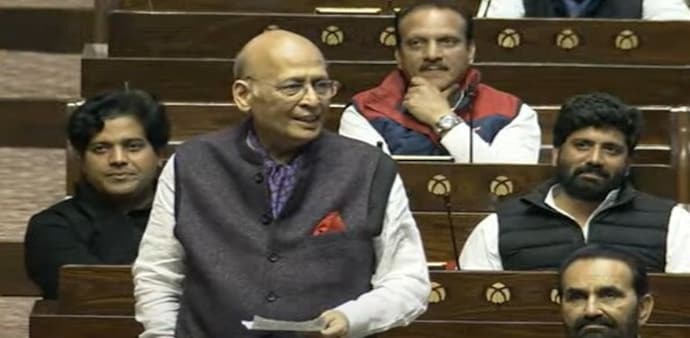
Singhvi, a five-term Member of Parliament who also represented the Tata Group in its 2016 legal battle with Cyrus Mistry, said the central issue now is the relationship between Tata Trusts and Tata Sons.
- Sep 22, 2026,
- Updated Sep 22, 2026 8:47 PM IST
The legal battle between Tata Trusts and Tata Sons is fundamentally about the rights of shareholders and owners, according to Abhishek Singhvi, senior lead counsel for Tata Trusts. Speaking to Hindustan Times, Singhvi said the dispute goes beyond individuals and companies and raises broader questions about corporate governance and the ownership rights of shareholders.
Singhvi, a five-term Member of Parliament who also represented the Tata Group in its 2016 legal battle with Cyrus Mistry, said the central issue now is the relationship between Tata Trusts and Tata Sons.
Singhvi pointed to Tata Trusts’ 66% ownership of Tata Sons, arguing that shareholder rights cannot be overridden by the company’s board.
According to Singhvi, the key issue revolves around Articles 118 and 121 of Tata Sons’ Articles of Association. He said Tata Trusts had chosen to exercise less than the full board representation that its 66% shareholding could potentially provide, while retaining protections through an affirmative-vote provision under Article 118.
Singhvi argued that Article 118 requires the affirmative assent of a majority of Tata Trust nominees for a board decision requiring a vote. With two Tata Trust nominees on the board, he contended that both would have to agree for the matter to proceed.
Therefore, according to Singhvi, Noel Tata’s dissent meant that the issue concerning N Chandrasekaran’s continuation as chairman could not have proceeded to a board vote.
MUST READ: Who controls Tata Sons? Why Tata Trusts’ 66% stake does not tell the whole story
Dispute over casting vote
Singhvi also disputed the relevance of the chairman’s casting vote. He argued that such a vote would arise only in the event of a tie or deadlock involving the entire board.
His interpretation is that because Noel Tata had dissented, the matter could not validly reach the voting stage under Article 118 and therefore there was no occasion for a casting vote.
The Tata Sons board, however, reappointed Chandrasekaran by majority vote, creating the central legal and governance dispute.
Chairman selection process questioned
Singhvi also questioned the process through which Chandrasekaran was reappointed. He said Tata Sons’ Articles provide for a five-member selection committee comprising three persons jointly nominated by the two Tata Trusts, one Tata Sons board member and an independent person selected by the board.
According to Singhvi, this process gives the Trusts a significant role in selecting the chairman. He argued that the board’s decision to reappoint Chandrasekaran without this selection committee amounted to bypassing the prescribed process.
ALSO READ: Tata Sons to be split into smaller entities instead of listing? Here’s what we know
Tata legacy at the centre
Singhvi also raised concerns about the broader implications for the Tata Group’s institutional structure.
He described the relationship between Tata Trusts and Tata Sons as central to the group’s legacy, with the Trusts’ ownership ultimately supporting philanthropic activities including hospitals, universities, scholarships and research.
He argued that separating the Trusts from Tata Sons would rupture a relationship that has shaped the Tata Group’s structure for decades. Singhvi’s comments represent the Tata Trusts’ legal position in the ongoing dispute; the interpretation of the Articles and the competing claims remain matters for the relevant legal and corporate processes.
DO READ: Noel Tata vs Chandrasekaran: How Tata Sons’ boardroom battle turned into a public fight
The legal battle between Tata Trusts and Tata Sons is fundamentally about the rights of shareholders and owners, according to Abhishek Singhvi, senior lead counsel for Tata Trusts. Speaking to Hindustan Times, Singhvi said the dispute goes beyond individuals and companies and raises broader questions about corporate governance and the ownership rights of shareholders.
Singhvi, a five-term Member of Parliament who also represented the Tata Group in its 2016 legal battle with Cyrus Mistry, said the central issue now is the relationship between Tata Trusts and Tata Sons.
Singhvi pointed to Tata Trusts’ 66% ownership of Tata Sons, arguing that shareholder rights cannot be overridden by the company’s board.
According to Singhvi, the key issue revolves around Articles 118 and 121 of Tata Sons’ Articles of Association. He said Tata Trusts had chosen to exercise less than the full board representation that its 66% shareholding could potentially provide, while retaining protections through an affirmative-vote provision under Article 118.
Singhvi argued that Article 118 requires the affirmative assent of a majority of Tata Trust nominees for a board decision requiring a vote. With two Tata Trust nominees on the board, he contended that both would have to agree for the matter to proceed.
Therefore, according to Singhvi, Noel Tata’s dissent meant that the issue concerning N Chandrasekaran’s continuation as chairman could not have proceeded to a board vote.
MUST READ: Who controls Tata Sons? Why Tata Trusts’ 66% stake does not tell the whole story
Dispute over casting vote
Singhvi also disputed the relevance of the chairman’s casting vote. He argued that such a vote would arise only in the event of a tie or deadlock involving the entire board.
His interpretation is that because Noel Tata had dissented, the matter could not validly reach the voting stage under Article 118 and therefore there was no occasion for a casting vote.
The Tata Sons board, however, reappointed Chandrasekaran by majority vote, creating the central legal and governance dispute.
Chairman selection process questioned
Singhvi also questioned the process through which Chandrasekaran was reappointed. He said Tata Sons’ Articles provide for a five-member selection committee comprising three persons jointly nominated by the two Tata Trusts, one Tata Sons board member and an independent person selected by the board.
According to Singhvi, this process gives the Trusts a significant role in selecting the chairman. He argued that the board’s decision to reappoint Chandrasekaran without this selection committee amounted to bypassing the prescribed process.
ALSO READ: Tata Sons to be split into smaller entities instead of listing? Here’s what we know
Tata legacy at the centre
Singhvi also raised concerns about the broader implications for the Tata Group’s institutional structure.
He described the relationship between Tata Trusts and Tata Sons as central to the group’s legacy, with the Trusts’ ownership ultimately supporting philanthropic activities including hospitals, universities, scholarships and research.
He argued that separating the Trusts from Tata Sons would rupture a relationship that has shaped the Tata Group’s structure for decades. Singhvi’s comments represent the Tata Trusts’ legal position in the ongoing dispute; the interpretation of the Articles and the competing claims remain matters for the relevant legal and corporate processes.
DO READ: Noel Tata vs Chandrasekaran: How Tata Sons’ boardroom battle turned into a public fight