
What triggered PB Fintech’s 20% fall even as it bets big on health, pension expansion
Shares hit the lower circuit after IRDAI proposed lower commission limits, potentially squeezing distributor payouts. Group CEO Yashish Dahiya outlines a 15-year focus on healthcare and pension.
- Sep 24, 2026,
- Updated Sep 24, 2026 1:05 PM IST
PB Fintech shares hit the 20% lower circuit on Thursday after the insurance regulator proposed changes to distributor commissions that could lower payouts across several products.
The Insurance Regulatory and Development Authority of India (IRDAI) has proposed linking commission caps to product type, distribution channel, complexity and servicing effort, with lower limits for several categories. PB Fintech fell to ₹1,508.90 from Wednesday’s close of ₹1,886.30. The regulator has invited comments until October 25.
The regulatory overhang comes as PB Fintech pushes deeper into healthcare and pensions. Chairman and Group CEO Yashish Dahiya told Business Today these will be the group’s biggest focus areas over the next 15 years.
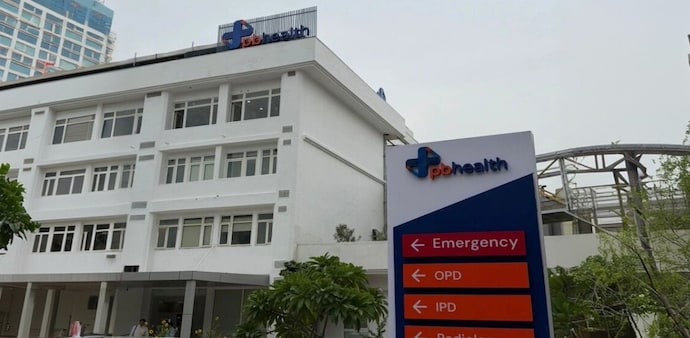
PB Health plans to build a separate network of about 150 hospitals over the next five to six years. Around 80% will be owned by third parties but operated and managed by PB Health, while the company will own and run some larger facilities. This network is distinct from PB Care Plus, PB Fintech’s existing 550-hospital network that assists Policybazaar customers during admission, treatment and discharge.
Don't Miss: Can weight-loss drugs like Ozempic and Mounjaro cause vision loss? Here’s what we know so far
Dahiya sees hospitals as central to fixing a structural problem in health insurance: hospitals earn from treatment, while insurers benefit from controlling costs and preventing avoidable hospitalisation.
“Today, at the point of hospitalisation, there is a conflict between the insurance company and the hospital. And this conflict is creating friction,” Dahiya said. PB Health will lean on preventive and primary care to reduce avoidable hospitalisation.
The company is also exploring a new payment model. Instead of earning only when an insured customer needs treatment, hospitals could receive a share of insurance revenue for managing the health of an insured population. “The business model is sharing in the insurance revenue, rather than only being paid for treatments,” he said.
He described this as integrated healthcare, in which a provider takes responsibility for a defined population for a subscription fee, with insurance effectively serving as that subscription. Insurers working with Policybazaar could direct customers to the PB Health network, while hospitals could offer medical examinations and annual check-ups.
Health insurance expansion
Dahiya said the health business has been growing about 60% annually, with 82% of policies sold to new customers being first-time health covers.
Dahiya said younger buyers and customers from smaller cities are entering the health insurance market. “We are putting a lot of emphasis on better products and a better claims experience, which helps us attract new customers,” he said.
Dahiya said insurance penetration remains low at about 5%, leaving room for growth in health and term insurance. He sees both as critical for middle-class families, with Policybazaar focused on solving the larger problem of social security rather than simply selling financial products.
Pensions become the second pillar
Pension Bazaar is the other pillar PB Fintech is building around the social-security opportunity, despite limited near-term revenue potential.
“Today there is no money to be made in pensions, but we are still selling them,” he said.
Dahiya said PB Fintech took a similar approach with term insurance, prioritising customer need over immediate product economics.
Paisabazaar, the group’s credit platform, is on a different trajectory and is expected to become a separately listed company within five to seven years, Dahiya said. It is designed to serve different credit segments rather than focus only on customers with high scores, because the same person can move across segments over time. “I have had credit scores of 860, I have had credit scores of 470. Same, me,” he said.
Must Read: No prescription, no pills: Govt cracks whip on misuse of painkillers, antibiotics
Build rather than buy
The healthcare and pension push is being driven largely through internal development rather than acquisitions. Dahiya said PB Fintech prefers building businesses from scratch because acquisitions have not always fitted the organisation.
Policybazaar will remain the group’s main profit engine as these businesses scale. “Policy Bazaar, the core business, is always going to contribute more than 80% of the profit,” he said.
The newer businesses have a longer runway. Dahiya said they may not match the core business on profits in the short term, but are meant to build additional engines over the next decade. “Our purpose is to respond to the long-term shareholders... and build a great organisation over the next 10-15 years. Profits will follow,” he said.
PB Fintech shares hit the 20% lower circuit on Thursday after the insurance regulator proposed changes to distributor commissions that could lower payouts across several products.
The Insurance Regulatory and Development Authority of India (IRDAI) has proposed linking commission caps to product type, distribution channel, complexity and servicing effort, with lower limits for several categories. PB Fintech fell to ₹1,508.90 from Wednesday’s close of ₹1,886.30. The regulator has invited comments until October 25.
The regulatory overhang comes as PB Fintech pushes deeper into healthcare and pensions. Chairman and Group CEO Yashish Dahiya told Business Today these will be the group’s biggest focus areas over the next 15 years.
PB Health plans to build a separate network of about 150 hospitals over the next five to six years. Around 80% will be owned by third parties but operated and managed by PB Health, while the company will own and run some larger facilities. This network is distinct from PB Care Plus, PB Fintech’s existing 550-hospital network that assists Policybazaar customers during admission, treatment and discharge.
Don't Miss: Can weight-loss drugs like Ozempic and Mounjaro cause vision loss? Here’s what we know so far
Dahiya sees hospitals as central to fixing a structural problem in health insurance: hospitals earn from treatment, while insurers benefit from controlling costs and preventing avoidable hospitalisation.
“Today, at the point of hospitalisation, there is a conflict between the insurance company and the hospital. And this conflict is creating friction,” Dahiya said. PB Health will lean on preventive and primary care to reduce avoidable hospitalisation.
The company is also exploring a new payment model. Instead of earning only when an insured customer needs treatment, hospitals could receive a share of insurance revenue for managing the health of an insured population. “The business model is sharing in the insurance revenue, rather than only being paid for treatments,” he said.
He described this as integrated healthcare, in which a provider takes responsibility for a defined population for a subscription fee, with insurance effectively serving as that subscription. Insurers working with Policybazaar could direct customers to the PB Health network, while hospitals could offer medical examinations and annual check-ups.
Health insurance expansion
Dahiya said the health business has been growing about 60% annually, with 82% of policies sold to new customers being first-time health covers.
Dahiya said younger buyers and customers from smaller cities are entering the health insurance market. “We are putting a lot of emphasis on better products and a better claims experience, which helps us attract new customers,” he said.
Dahiya said insurance penetration remains low at about 5%, leaving room for growth in health and term insurance. He sees both as critical for middle-class families, with Policybazaar focused on solving the larger problem of social security rather than simply selling financial products.
Pensions become the second pillar
Pension Bazaar is the other pillar PB Fintech is building around the social-security opportunity, despite limited near-term revenue potential.
“Today there is no money to be made in pensions, but we are still selling them,” he said.
Dahiya said PB Fintech took a similar approach with term insurance, prioritising customer need over immediate product economics.
Paisabazaar, the group’s credit platform, is on a different trajectory and is expected to become a separately listed company within five to seven years, Dahiya said. It is designed to serve different credit segments rather than focus only on customers with high scores, because the same person can move across segments over time. “I have had credit scores of 860, I have had credit scores of 470. Same, me,” he said.
Must Read: No prescription, no pills: Govt cracks whip on misuse of painkillers, antibiotics
Build rather than buy
The healthcare and pension push is being driven largely through internal development rather than acquisitions. Dahiya said PB Fintech prefers building businesses from scratch because acquisitions have not always fitted the organisation.
Policybazaar will remain the group’s main profit engine as these businesses scale. “Policy Bazaar, the core business, is always going to contribute more than 80% of the profit,” he said.
The newer businesses have a longer runway. Dahiya said they may not match the core business on profits in the short term, but are meant to build additional engines over the next decade. “Our purpose is to respond to the long-term shareholders... and build a great organisation over the next 10-15 years. Profits will follow,” he said.