
Air India plane crash: What is AAIB and what's its role in the AI-171 crash investigation?
In a formal statement issued on July 17, AAIB emphasised that the preliminary report only outlines "what" happened, not why, and urged the media and public to avoid speculative or selective interpretations.
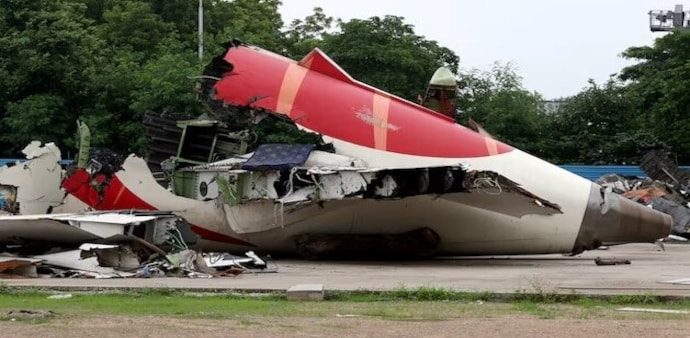
- Jul 18, 2025,
- Updated Jul 18, 2025 3:51 PM IST
The Aircraft Accident Investigation Bureau (AAIB) is India’s official authority under the Ministry of Civil Aviation tasked with investigating aircraft accidents and serious incidents. Established in 2012, it operates under the Aircraft (Investigation of Accidents and Incidents) Rules, 2017, and complies with international norms under ICAO Annex 13. AAIB has investigated 92 accidents and 111 serious incidents to date.
The AI-171 Crash
On June 12, Air India flight AI-171, a Boeing 787-8 registered as VT-ANB, crashed shortly after take-off from Ahmedabad while on route to London (Gatwick). The crash claimed the lives of 260 people, including passengers, crew, and individuals on the ground, marking one of India’s worst aviation disasters.
Upon notification from the Airport Authority of India and Air India, AAIB dispatched a five-member team led by its Director General to the crash site the same day. Additional support was provided by DGCA’s Air Safety Directorate. The investigation team was formally constituted and included specialists from multiple domains, including engineering, flight recorders, aviation medicine, and psychology.
International Coordination
In accordance with ICAO Annex 13, AAIB informed international counterparts as the crash involved foreign nationals. The US National Transportation Safety Board (NTSB), representing the state of aircraft design and manufacture, appointed an Accredited Representative. Technical experts from Boeing, GE, and FAA, along with officials from the UK, Portugal, and Canada, joined the investigation.
Initial Findings and Ongoing Probe
Both flight recorders were recovered, and data from the forward unit was successfully extracted. Preliminary analysis indicated that both engines cut off seconds after take-off, with attempted relight procedures initiated. However, the investigation is still in progress, and no conclusions have been drawn.
In a formal statement issued on July 17, AAIB emphasised that the preliminary report only outlines "what" happened, not why, and urged the media and public to avoid speculative or selective interpretations. This statement came in response to certain reports in Western media suggesting that cockpit voice recordings indicate the captain may have manually shut off the fuel supply to both engines. While AAIB has not directly addressed or denied these claims, it has reiterated that all findings must be based on verified evidence, and the final report detailing root causes and safety recommendations will be released upon the investigation’s conclusion.
The Aircraft Accident Investigation Bureau (AAIB) is India’s official authority under the Ministry of Civil Aviation tasked with investigating aircraft accidents and serious incidents. Established in 2012, it operates under the Aircraft (Investigation of Accidents and Incidents) Rules, 2017, and complies with international norms under ICAO Annex 13. AAIB has investigated 92 accidents and 111 serious incidents to date.
The AI-171 Crash
On June 12, Air India flight AI-171, a Boeing 787-8 registered as VT-ANB, crashed shortly after take-off from Ahmedabad while on route to London (Gatwick). The crash claimed the lives of 260 people, including passengers, crew, and individuals on the ground, marking one of India’s worst aviation disasters.
Upon notification from the Airport Authority of India and Air India, AAIB dispatched a five-member team led by its Director General to the crash site the same day. Additional support was provided by DGCA’s Air Safety Directorate. The investigation team was formally constituted and included specialists from multiple domains, including engineering, flight recorders, aviation medicine, and psychology.
International Coordination
In accordance with ICAO Annex 13, AAIB informed international counterparts as the crash involved foreign nationals. The US National Transportation Safety Board (NTSB), representing the state of aircraft design and manufacture, appointed an Accredited Representative. Technical experts from Boeing, GE, and FAA, along with officials from the UK, Portugal, and Canada, joined the investigation.
Initial Findings and Ongoing Probe
Both flight recorders were recovered, and data from the forward unit was successfully extracted. Preliminary analysis indicated that both engines cut off seconds after take-off, with attempted relight procedures initiated. However, the investigation is still in progress, and no conclusions have been drawn.
In a formal statement issued on July 17, AAIB emphasised that the preliminary report only outlines "what" happened, not why, and urged the media and public to avoid speculative or selective interpretations. This statement came in response to certain reports in Western media suggesting that cockpit voice recordings indicate the captain may have manually shut off the fuel supply to both engines. While AAIB has not directly addressed or denied these claims, it has reiterated that all findings must be based on verified evidence, and the final report detailing root causes and safety recommendations will be released upon the investigation’s conclusion.