
Ancient Silk Route to Tibet reopens: India-China trade through Shipki La resumes after six years
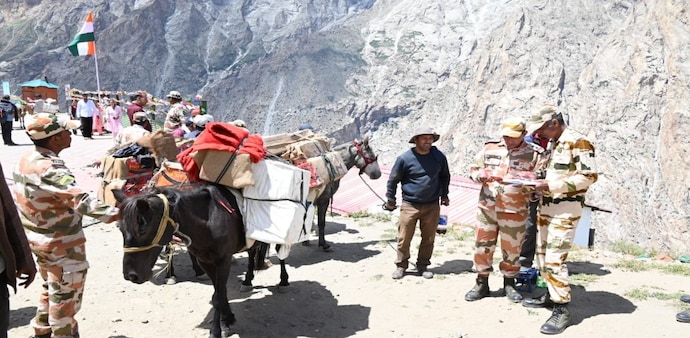
Himachal's Revenue and Horticulture Minister flagged off 16 traders after presenting traditional Khataks (ceremonial scarves) along with their horses towards Shipki village in Tibet
- Aug 2, 2026,
- Updated Aug 2, 2026 3:35 PM IST
A historic trade corridor linking India and Tibet came back to life on Saturday as India and China resumed cross-border trade through the Shipki La pass after a six-year hiatus. Both countries reopened barter-based commerce that has long supported communities living along the Himalayan border.
Border trade through Shipki La had been suspended since 2020, after the military standoff between India and China in eastern Ladakh. In recent months, New Delhi and Beijing have taken several steps to normalise relations.
Must Watch: India-China Border Trade Resumes | Nathu La, Lipulekh & Shipki La Passes Reopen
Himachal Pradesh Revenue and Horticulture Minister Jagat Singh Negi flagged off 16 traders after presenting them with traditional Khataks (ceremonial scarves) before they departed with their horses towards Shipki village in Tibet.
BARTER TRADE RETURNS
Negi said the exchange of goods would take place through the barter system, with traders required to return within 72 hours after completing trade in the Tibetan region.
He also inaugurated the Chhuppan Trade Mart, a modern trade facility built at a cost of ₹1.70 crore in the Shipki La area under Namgya Gram Panchayat in Kinnaur district to facilitate border commerce.
The minister urged traders to strictly follow the import-export regulations prescribed by the Union Ministry of Commerce to ensure transparency and compliance.
LIST OF GOODS MAY BE EXPANDED
According to preliminary information, traders will be allowed to carry 72 categories of goods from the Indian side, while 30 categories of goods can be brought from the Tibetan side.
Responding to a demand from the Traders' Association to widen the list of import and export items, Negi said the proposal would be placed before Chief Minister Sukhvinder Singh Sukhu and subsequently taken up with the Chinese government through the Ministry of External Affairs after following due procedure.
Negi said reopening the Shipki La trade route would provide fresh momentum to the economy of border areas by creating employment and self-employment opportunities for local youth while boosting commercial activity in the region.
A historic trade corridor linking India and Tibet came back to life on Saturday as India and China resumed cross-border trade through the Shipki La pass after a six-year hiatus. Both countries reopened barter-based commerce that has long supported communities living along the Himalayan border.
Border trade through Shipki La had been suspended since 2020, after the military standoff between India and China in eastern Ladakh. In recent months, New Delhi and Beijing have taken several steps to normalise relations.
Must Watch: India-China Border Trade Resumes | Nathu La, Lipulekh & Shipki La Passes Reopen
Himachal Pradesh Revenue and Horticulture Minister Jagat Singh Negi flagged off 16 traders after presenting them with traditional Khataks (ceremonial scarves) before they departed with their horses towards Shipki village in Tibet.
BARTER TRADE RETURNS
Negi said the exchange of goods would take place through the barter system, with traders required to return within 72 hours after completing trade in the Tibetan region.
He also inaugurated the Chhuppan Trade Mart, a modern trade facility built at a cost of ₹1.70 crore in the Shipki La area under Namgya Gram Panchayat in Kinnaur district to facilitate border commerce.
The minister urged traders to strictly follow the import-export regulations prescribed by the Union Ministry of Commerce to ensure transparency and compliance.
LIST OF GOODS MAY BE EXPANDED
According to preliminary information, traders will be allowed to carry 72 categories of goods from the Indian side, while 30 categories of goods can be brought from the Tibetan side.
Responding to a demand from the Traders' Association to widen the list of import and export items, Negi said the proposal would be placed before Chief Minister Sukhvinder Singh Sukhu and subsequently taken up with the Chinese government through the Ministry of External Affairs after following due procedure.
Negi said reopening the Shipki La trade route would provide fresh momentum to the economy of border areas by creating employment and self-employment opportunities for local youth while boosting commercial activity in the region.