
'Bulk of decent jobs in the next two decades will need to come from manufacturing'
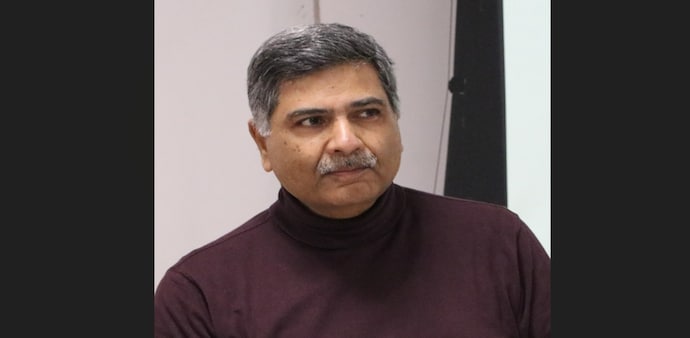
Sanjay Kathuria says India has not missed the bus on becoming a global manufacturing hub.
- Aug 25, 2026,
- Updated Aug 25, 2026 1:02 PM IST
India has not been able address the core problems of land, labour and regulations and issues around skills and mobility of labour due to which the manufacturing sector has not grown to 25% of the GDP till, says Sanjay Kathuria, Visiting Senior Fellow, Centre for Social and Economic Progress and Co-Founder, Trade Sentinel. In an interview to Business Today, he says he is optimistic about India becoming a hub for hi-tech manufacturing given a few success stories in the sector. Edited excerpts:
BT: Why has India’s share of manufacturing in GDP not increased over the years?
SK: In manufacturing, scale – not just at the aggregate level, but also at the level of individual manufacturing firms – is very critical. As a result of past policy measures, India continues to face a problem of a very large informal sector and also a Missing Middle of medium-size enterprises that can provide good quality inputs to larger firms. In countries like Bangladesh that compete with India in apparel exports, the size of garment firms is huge – it is rare in India for a company to have that kind of scale.
It is surprising that firms have not grown to this kind of scale in India even though we are such a large economy and are the most populous country in the world.
MUST READ | BT India @ 100: 'India’s manufacturing story bigger than 16% GDP', says Sanjeev Sanyal
The reason why we haven’t met the target of scaling up manufacturing to 25% of GDP is because we have not addressed the core problems of land, labour and regulations and issues around skills and mobility of labour.
BT: What are the policies needed to convince companies to set up factories in India?
SK: The main issue remains whether we have really changed the disincentives against firms to grow in scale. While in the last one year, there have been serious attempts by the government at deregulation, we are yet to see a turnaround in private investments; and net FDI in the last few years has been in a dismal state. In particular, regulations around land are very difficult in India and we have not done enough to make acquiring land easier for factories.
The other issue is around trade. We remain reluctant liberalisers. Despite talk of India having changed its outlook on trade, our FTAs are not deep enough, barring those with the UK and EU. We haven’t attempted any FTA on similar lines with an Asian country even though a lot of our inputs come from Asia. The tariffs on our inputs are also much higher than those of our competitors. We need to look at deeper trade relationships with Asian countries like Japan, South Korea and Asean on the lines of the trade deals we have signed with the UK and the EU.
Research and innovation are another area we need to focus on and at some stage we have to start undertaking our own innovations, which is required for absorption of technology.
BT: Can India become a hub for hi-tech manufacturing?
SK: I am a little more optimistic on hi-tech manufacturing than I am on labour intensive manufacturing. India already has a few success stories in hi-tech manufacturing in sectors like pharma, auto components and of course, the cellphone/Apple manufacturing hub, incentivised by the PLI.
We have an incipient ecosystem for hi-tech manufacturing. Now if we let the private sector take the lead and support R&D initiatives, then India can start on its way to become a hub for hi-tech manufacturing. Even in semiconductors, where India has received recent investments, we can target segments of the semiconductor supply chain that can be undertaken here. There are a lot of Indians globally who are working on semiconductor design, for example. Let’s remember that semiconductors are expensive and the highest of the hi-tech. India can find serious partners for semiconductors and divide up the supply chain with them.
With the right kind of support and targeting and letting the private sector take the lead, I am reasonably optimistic that India can become one of the hubs for hi-tech manufacturing.
BT: Has India missed the bus on becoming a regional or global manufacturing hub? Can it successfully sustain its current growth momentum with services as the main growth driver?
SK: I don’t think services can do the trick on employment. Employment from services is still a fraction of what India needs. It does not have to be an either/ or situation in terms of services or manufacturing being the main driver of employment in India. Also, services are increasingly linked to manufacturing (servicification) so we do need a high-quality services sector.
But the bulk of decent jobs in the next two decades will need to come from manufacturing. Jobs are the most important challenge for the Indian economy and India must focus on labour intensive manufacturing and exports for this.
I don’t buy the argument that the world cannot absorb another China. In any case, India does not have to become a China-scale exporter. If India merely doubles its merchandise exports, its share in global goods exports will increase to about 4% from the current 1.8%. This is not inconceivable – in fact, it is necessary – and a focus on manufactured exports will also provide good quality employment.
I don’t think India has missed the bus on becoming a global manufacturing hub. The US and China are proving to be increasingly whimsical and are the weaponising trade. This provides India yet another opportunity on both trade and manufacturing. It should stand up to be counted as a serious and reliable partner for the middle powers.
India has not been able address the core problems of land, labour and regulations and issues around skills and mobility of labour due to which the manufacturing sector has not grown to 25% of the GDP till, says Sanjay Kathuria, Visiting Senior Fellow, Centre for Social and Economic Progress and Co-Founder, Trade Sentinel. In an interview to Business Today, he says he is optimistic about India becoming a hub for hi-tech manufacturing given a few success stories in the sector. Edited excerpts:
BT: Why has India’s share of manufacturing in GDP not increased over the years?
SK: In manufacturing, scale – not just at the aggregate level, but also at the level of individual manufacturing firms – is very critical. As a result of past policy measures, India continues to face a problem of a very large informal sector and also a Missing Middle of medium-size enterprises that can provide good quality inputs to larger firms. In countries like Bangladesh that compete with India in apparel exports, the size of garment firms is huge – it is rare in India for a company to have that kind of scale.
It is surprising that firms have not grown to this kind of scale in India even though we are such a large economy and are the most populous country in the world.
MUST READ | BT India @ 100: 'India’s manufacturing story bigger than 16% GDP', says Sanjeev Sanyal
The reason why we haven’t met the target of scaling up manufacturing to 25% of GDP is because we have not addressed the core problems of land, labour and regulations and issues around skills and mobility of labour.
BT: What are the policies needed to convince companies to set up factories in India?
SK: The main issue remains whether we have really changed the disincentives against firms to grow in scale. While in the last one year, there have been serious attempts by the government at deregulation, we are yet to see a turnaround in private investments; and net FDI in the last few years has been in a dismal state. In particular, regulations around land are very difficult in India and we have not done enough to make acquiring land easier for factories.
The other issue is around trade. We remain reluctant liberalisers. Despite talk of India having changed its outlook on trade, our FTAs are not deep enough, barring those with the UK and EU. We haven’t attempted any FTA on similar lines with an Asian country even though a lot of our inputs come from Asia. The tariffs on our inputs are also much higher than those of our competitors. We need to look at deeper trade relationships with Asian countries like Japan, South Korea and Asean on the lines of the trade deals we have signed with the UK and the EU.
Research and innovation are another area we need to focus on and at some stage we have to start undertaking our own innovations, which is required for absorption of technology.
BT: Can India become a hub for hi-tech manufacturing?
SK: I am a little more optimistic on hi-tech manufacturing than I am on labour intensive manufacturing. India already has a few success stories in hi-tech manufacturing in sectors like pharma, auto components and of course, the cellphone/Apple manufacturing hub, incentivised by the PLI.
We have an incipient ecosystem for hi-tech manufacturing. Now if we let the private sector take the lead and support R&D initiatives, then India can start on its way to become a hub for hi-tech manufacturing. Even in semiconductors, where India has received recent investments, we can target segments of the semiconductor supply chain that can be undertaken here. There are a lot of Indians globally who are working on semiconductor design, for example. Let’s remember that semiconductors are expensive and the highest of the hi-tech. India can find serious partners for semiconductors and divide up the supply chain with them.
With the right kind of support and targeting and letting the private sector take the lead, I am reasonably optimistic that India can become one of the hubs for hi-tech manufacturing.
BT: Has India missed the bus on becoming a regional or global manufacturing hub? Can it successfully sustain its current growth momentum with services as the main growth driver?
SK: I don’t think services can do the trick on employment. Employment from services is still a fraction of what India needs. It does not have to be an either/ or situation in terms of services or manufacturing being the main driver of employment in India. Also, services are increasingly linked to manufacturing (servicification) so we do need a high-quality services sector.
But the bulk of decent jobs in the next two decades will need to come from manufacturing. Jobs are the most important challenge for the Indian economy and India must focus on labour intensive manufacturing and exports for this.
I don’t buy the argument that the world cannot absorb another China. In any case, India does not have to become a China-scale exporter. If India merely doubles its merchandise exports, its share in global goods exports will increase to about 4% from the current 1.8%. This is not inconceivable – in fact, it is necessary – and a focus on manufactured exports will also provide good quality employment.
I don’t think India has missed the bus on becoming a global manufacturing hub. The US and China are proving to be increasingly whimsical and are the weaponising trade. This provides India yet another opportunity on both trade and manufacturing. It should stand up to be counted as a serious and reliable partner for the middle powers.