
Maharashtra plans framework to create India’s first land asset tokenisation system
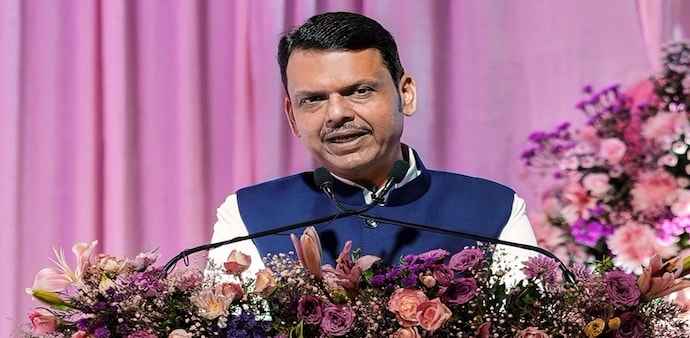
Maharashtra CM Devendra Fadnavis at the Global Fintech Fest 2026 said that while agentic AI would be hugely transformational, accountability, security and human oversight must remain central to its use.
- Sep 9, 2026,
- Updated Sep 9, 2026 2:05 PM IST
Maharashtra is set to bring a legislative and blockchain-based framework for the tokenisation of land assets as the state looks to make physical assets more productive.
“We are now bringing into place the architecture of Maharashtra, digitisation and exchange of land token assets act, an objective legal framework for the blockchain-based organisation of land and other immovable assets,” Maharashtra Chief Minister Devendra Fadnavis said on Wednesday.
Speaking at the Global Fintech Fest 2026, he said Maharashtra would be the first state in India to create such a legislative framework.
“For generations, land has represented wealth in India. But very often it is wealth without liquidity. A family may own an asset of significant value and yet struggle to access capital against it efficiently. Technology has the opportunity to change this,” said Fadnavis.
He stressed that the idea behind the tokenisation of land assets was not about speculation, but improving liquidity.
“It is about making assets more productive and ultimately, it is about converting dormant wealth into economic opportunity,” said Fadnavis.
He also felt that agentic AI would usher in a huge transformation, whether it was for a small enterprise where an agent would understand cash flows and working capital requirements and identify appropriate financing, or a farmer receiving financial advice in their native language. But he stressed that people must always remain in control of AI.
“The future of finance must combine intelligence with accountability, innovation with consent, speed with security and agent with human oversight,” he stated.
Across Maharashtra, an ecosystem is being built around AI, data centres, Global Capability Centres (GCCs), startups, universities and advanced technology, Fadnavis said.
He said the future of finance was already looking beyond the traditional markets of London and New York.
“Mumbai should increasingly become the city where the future of global finance is designed. We already possess the ingredients — capital, talent, markets, institutions, regulators, technology, entrepreneurship, and perhaps most importantly, the ability to implement at scale,” Fadnavis said.
Maharashtra will become India’s largest real-world test bed for the next generation of fintech, he said.
He called on fintechs to develop solutions for MSMEs, agriculture, public finance, fraud prevention and citizen services.
“We will work with you, test them responsibly, deploy them and scale them, and take successful solutions to the world,” Fadnavis said.
Maharashtra is set to bring a legislative and blockchain-based framework for the tokenisation of land assets as the state looks to make physical assets more productive.
“We are now bringing into place the architecture of Maharashtra, digitisation and exchange of land token assets act, an objective legal framework for the blockchain-based organisation of land and other immovable assets,” Maharashtra Chief Minister Devendra Fadnavis said on Wednesday.
Speaking at the Global Fintech Fest 2026, he said Maharashtra would be the first state in India to create such a legislative framework.
“For generations, land has represented wealth in India. But very often it is wealth without liquidity. A family may own an asset of significant value and yet struggle to access capital against it efficiently. Technology has the opportunity to change this,” said Fadnavis.
He stressed that the idea behind the tokenisation of land assets was not about speculation, but improving liquidity.
“It is about making assets more productive and ultimately, it is about converting dormant wealth into economic opportunity,” said Fadnavis.
He also felt that agentic AI would usher in a huge transformation, whether it was for a small enterprise where an agent would understand cash flows and working capital requirements and identify appropriate financing, or a farmer receiving financial advice in their native language. But he stressed that people must always remain in control of AI.
“The future of finance must combine intelligence with accountability, innovation with consent, speed with security and agent with human oversight,” he stated.
Across Maharashtra, an ecosystem is being built around AI, data centres, Global Capability Centres (GCCs), startups, universities and advanced technology, Fadnavis said.
He said the future of finance was already looking beyond the traditional markets of London and New York.
“Mumbai should increasingly become the city where the future of global finance is designed. We already possess the ingredients — capital, talent, markets, institutions, regulators, technology, entrepreneurship, and perhaps most importantly, the ability to implement at scale,” Fadnavis said.
Maharashtra will become India’s largest real-world test bed for the next generation of fintech, he said.
He called on fintechs to develop solutions for MSMEs, agriculture, public finance, fraud prevention and citizen services.
“We will work with you, test them responsibly, deploy them and scale them, and take successful solutions to the world,” Fadnavis said.