
'Govt subsidy wasn't enough': MobiKwik co-founder explains why UPI needs MDR
Speaking to Business Today TV on the new Merchant Discount Rate (MDR) on UPI transactions above ₹2,000, Taku said the subsidy provided to payment companies over the last two years covered only a fraction of their overall costs
- Sep 16, 2026,
- Updated Sep 16, 2026 8:57 PM IST
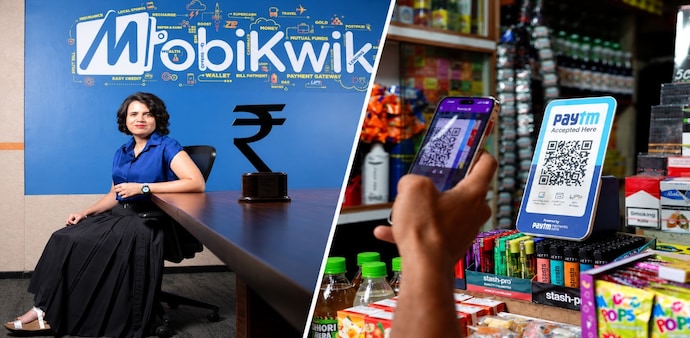
The government subsidy for UPI transactions was not enough to cover the costs borne by payment companies, MobiKwik co-founder Upasana Taku told Business Today TV on Wednesday.
She justified the new MDR (Merchant Discount Rate) charges on UPI transactions and said the industry had been seeking a sustainable revenue model for the digital payments ecosystem for several years.
"Even the UPI subsidy, which we used to get for the last two years, was only covering anywhere from 10 to 15% of the costs of all the players. So it’s not as if it was enough," Taku said during a discussion on MDR.
According to Taku, the issue is not simply about generating revenue for payment companies, but about ensuring that the infrastructure supporting India's rapidly expanding digital payments ecosystem remains financially sustainable.
READ THIS: MDR on UPI: Will cash be king again? Here’s what industry voices say
The cost behind ‘free’ UPI
UPI transactions may appear free to consumers, but running the underlying payment infrastructure involves significant costs for banks and payment companies, the MobiKwik co-founder said.
Taku said payment companies incur expenses across server infrastructure, fraud prevention, cybersecurity, innovation, and engineering teams. She added that the cost of processing a transaction, just in terms of server expenses, is around 20 paise.
"Almost all payment companies have reported that the cost of processing a transaction just in terms of server cost itself is 20 paise," Taku said. "And the revenues that we’ve been earning on all of this has been zero, and it is a huge drag on all of our portfolios."
DON'T MISS: '96% transactions will not be affected,' says former Infosys CFO Mohandas Pai on UPI MDR
Why payment companies wanted UPI monetised
Taku said payment companies, banks with large payments businesses and industry bodies have been seeking some form of monetisation for UPI for several years.
“This is something that we have been asking for, for the last several years. And by we, I mean all the payment companies, the banks with large payments play, the Payments Council of India, the Indian Fintech Forum,” she said.
She said industry representatives had raised the issue with the Finance Ministry and the Reserve Bank of India, arguing that payment companies need a revenue stream to continue investing in the UPI ecosystem.
"Please give at least some slice of the UPI, please monetise it. Because otherwise, how are we going to grow from here?" Taku said.
UPI needs investment beyond transaction processing
Taku's argument extends beyond the cost of simply processing a UPI payment. She said companies need to continue spending on fraud prevention, cybersecurity, infrastructure, and innovation as digital payments scale further.
India's UPI ecosystem has expanded significantly since its launch, but Taku said the growth story is not over yet.
“If we need for the next 10 years the cost of UPI infrastructure, the cost of fraud prevention, innovation, cybersecurity, the... I’m not even counting the cost of engineering teams that we all have to deploy. We have to get that from somewhere,” she said.
Taku also stressed that the new MDR does not mean the entire UPI ecosystem will suddenly become chargeable. She said several parts of the UPI payment ecosystem will continue to remain free even after October 15.
ALSO READ: UPI MDR impact on small merchants: Retailers flag cost concerns ahead of festive season
“This is also still not making everyone whole, but it is definitely going to reduce the losses that all the payment companies and the banking, payment P&Ls have been posting,” she said.
The government subsidy for UPI transactions was not enough to cover the costs borne by payment companies, MobiKwik co-founder Upasana Taku told Business Today TV on Wednesday.
She justified the new MDR (Merchant Discount Rate) charges on UPI transactions and said the industry had been seeking a sustainable revenue model for the digital payments ecosystem for several years.
"Even the UPI subsidy, which we used to get for the last two years, was only covering anywhere from 10 to 15% of the costs of all the players. So it’s not as if it was enough," Taku said during a discussion on MDR.
According to Taku, the issue is not simply about generating revenue for payment companies, but about ensuring that the infrastructure supporting India's rapidly expanding digital payments ecosystem remains financially sustainable.
READ THIS: MDR on UPI: Will cash be king again? Here’s what industry voices say
The cost behind ‘free’ UPI
UPI transactions may appear free to consumers, but running the underlying payment infrastructure involves significant costs for banks and payment companies, the MobiKwik co-founder said.
Taku said payment companies incur expenses across server infrastructure, fraud prevention, cybersecurity, innovation, and engineering teams. She added that the cost of processing a transaction, just in terms of server expenses, is around 20 paise.
"Almost all payment companies have reported that the cost of processing a transaction just in terms of server cost itself is 20 paise," Taku said. "And the revenues that we’ve been earning on all of this has been zero, and it is a huge drag on all of our portfolios."
DON'T MISS: '96% transactions will not be affected,' says former Infosys CFO Mohandas Pai on UPI MDR
Why payment companies wanted UPI monetised
Taku said payment companies, banks with large payments businesses and industry bodies have been seeking some form of monetisation for UPI for several years.
“This is something that we have been asking for, for the last several years. And by we, I mean all the payment companies, the banks with large payments play, the Payments Council of India, the Indian Fintech Forum,” she said.
She said industry representatives had raised the issue with the Finance Ministry and the Reserve Bank of India, arguing that payment companies need a revenue stream to continue investing in the UPI ecosystem.
"Please give at least some slice of the UPI, please monetise it. Because otherwise, how are we going to grow from here?" Taku said.
UPI needs investment beyond transaction processing
Taku's argument extends beyond the cost of simply processing a UPI payment. She said companies need to continue spending on fraud prevention, cybersecurity, infrastructure, and innovation as digital payments scale further.
India's UPI ecosystem has expanded significantly since its launch, but Taku said the growth story is not over yet.
“If we need for the next 10 years the cost of UPI infrastructure, the cost of fraud prevention, innovation, cybersecurity, the... I’m not even counting the cost of engineering teams that we all have to deploy. We have to get that from somewhere,” she said.
Taku also stressed that the new MDR does not mean the entire UPI ecosystem will suddenly become chargeable. She said several parts of the UPI payment ecosystem will continue to remain free even after October 15.
ALSO READ: UPI MDR impact on small merchants: Retailers flag cost concerns ahead of festive season
“This is also still not making everyone whole, but it is definitely going to reduce the losses that all the payment companies and the banking, payment P&Ls have been posting,” she said.