
GST Council October 8 meeting: What’s likely to be on the table
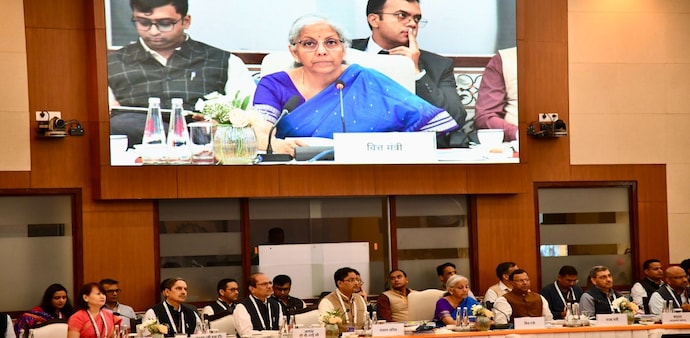
The meeting, earlier scheduled for October 7, has been rescheduled to October 8 at Bharat Mandapam in New Delhi. The formal agenda has not been made public yet.
- Oct 6, 2026,
- Updated Oct 6, 2026 10:37 AM IST
The 57th GST Council meeting on October 8 in New Delhi is expected to focus largely on process reforms, with the government looking to simplify compliance, widen access to input tax credit and speed up refunds, even as the tax rate structure is likely to remain unchanged for now.
The meeting, earlier scheduled for October 7, has been rescheduled to October 8 at Bharat Mandapam in New Delhi. The formal agenda has not been made public yet.
Finance Minister Nirmala Sitharaman had said last month at a curtain-raiser event organised by the International Tax Research and Analysis Foundation (ITRAF) that the next GST Council meeting would focus on the “process” component of GST 2.0, following the rate rationalisation exercise undertaken by the Council in September 2025. She specifically mentioned issues around e-invoicing and input tax credit.
ALSO READ | GST Council meeting rescheduled to October 8: What's on the agenda
Among the key proposals expected to come up is a wider mechanism for allowing refunds of accumulated input tax credit under inverted-duty structures, including credits relating to input services and capital goods. The Council could consider separate implementation timelines, with refunds relating to input services potentially taking effect during the current financial year and those for capital goods from April 2027.
The government is also considering easing GST registration requirements for small businesses selling through e-commerce platforms. Sources have indicated that the process could be substantially simplified, with greater use of technology and artificial intelligence.
MUST READ | GST Council likely to drop arrest powers to curb tax overreach: Report
Another potentially significant reform relates to the GST law’s criminal provisions. The Council is expected to consider removing the power of GST authorities to arrest taxpayers, while retaining prosecution for cases involving deliberate fraud and serious offences. Any such change would require legislative amendments which will have to be approved through Parliament.
Changes to export-related provisions could also be considered, particularly to address ambiguity around services supplied through overseas branches of Indian companies. The move could provide relief to technology and business-process outsourcing companies facing litigation over the treatment of such services.
The Council is also expected to examine changes to return filing and other compliance requirements. One proposal being discussed is an optional annual return mechanism with quarterly tax payments for businesses with turnover of up to Rs 5 crore supplying unregistered persons.
The broader objective, officials have indicated, is to make GST compliance simpler while reducing disputes and improving the flow of input tax credit and refunds. The reforms are expected to be implemented progressively through 2027 rather than introduced in one go.
The focus on process reforms also signals a preference for greater stability in the GST rate structure. Officials expect rate reviews to be undertaken no more than once a year, with any changes taking effect from April 1 rather than during the financial year.
No fresh broad-based rate rationalisation is expected to be taken up at the October 8 meeting, with the focus instead on process and compliance reforms following last year’s rate overhaul. The issue of GST on merchant discount rates (MDR) for UPI transactions could, however, be raised for discussion, although it is not part of the formal agenda at present.
The Council could also see some states flag concerns around GST revenues and the impact they have experienced over the past year following the rate rationalisation exercise, including issues around revenue growth and the fiscal implications of the changes.
The 57th GST Council meeting on October 8 in New Delhi is expected to focus largely on process reforms, with the government looking to simplify compliance, widen access to input tax credit and speed up refunds, even as the tax rate structure is likely to remain unchanged for now.
The meeting, earlier scheduled for October 7, has been rescheduled to October 8 at Bharat Mandapam in New Delhi. The formal agenda has not been made public yet.
Finance Minister Nirmala Sitharaman had said last month at a curtain-raiser event organised by the International Tax Research and Analysis Foundation (ITRAF) that the next GST Council meeting would focus on the “process” component of GST 2.0, following the rate rationalisation exercise undertaken by the Council in September 2025. She specifically mentioned issues around e-invoicing and input tax credit.
ALSO READ | GST Council meeting rescheduled to October 8: What's on the agenda
Among the key proposals expected to come up is a wider mechanism for allowing refunds of accumulated input tax credit under inverted-duty structures, including credits relating to input services and capital goods. The Council could consider separate implementation timelines, with refunds relating to input services potentially taking effect during the current financial year and those for capital goods from April 2027.
The government is also considering easing GST registration requirements for small businesses selling through e-commerce platforms. Sources have indicated that the process could be substantially simplified, with greater use of technology and artificial intelligence.
MUST READ | GST Council likely to drop arrest powers to curb tax overreach: Report
Another potentially significant reform relates to the GST law’s criminal provisions. The Council is expected to consider removing the power of GST authorities to arrest taxpayers, while retaining prosecution for cases involving deliberate fraud and serious offences. Any such change would require legislative amendments which will have to be approved through Parliament.
Changes to export-related provisions could also be considered, particularly to address ambiguity around services supplied through overseas branches of Indian companies. The move could provide relief to technology and business-process outsourcing companies facing litigation over the treatment of such services.
The Council is also expected to examine changes to return filing and other compliance requirements. One proposal being discussed is an optional annual return mechanism with quarterly tax payments for businesses with turnover of up to Rs 5 crore supplying unregistered persons.
The broader objective, officials have indicated, is to make GST compliance simpler while reducing disputes and improving the flow of input tax credit and refunds. The reforms are expected to be implemented progressively through 2027 rather than introduced in one go.
The focus on process reforms also signals a preference for greater stability in the GST rate structure. Officials expect rate reviews to be undertaken no more than once a year, with any changes taking effect from April 1 rather than during the financial year.
No fresh broad-based rate rationalisation is expected to be taken up at the October 8 meeting, with the focus instead on process and compliance reforms following last year’s rate overhaul. The issue of GST on merchant discount rates (MDR) for UPI transactions could, however, be raised for discussion, although it is not part of the formal agenda at present.
The Council could also see some states flag concerns around GST revenues and the impact they have experienced over the past year following the rate rationalisation exercise, including issues around revenue growth and the fiscal implications of the changes.