
Retail inflation rises to 4.45% in July as food prices push up price pressures
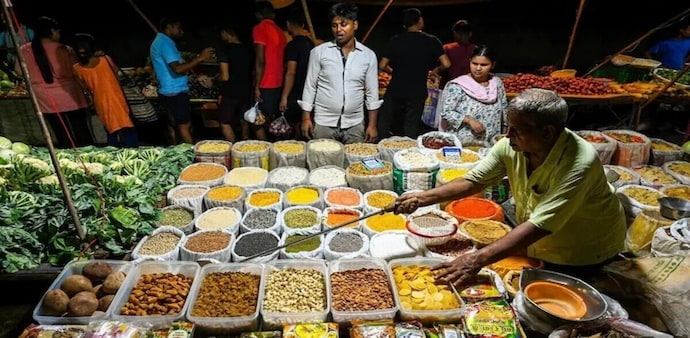
Food inflation, measured by the Consumer Food Price Index (CFPI), increased to 5.52% in July from 5.32% in June. Rural food inflation was higher at 5.79%, while urban food inflation stood at 5.05%.
- Aug 12, 2026,
- Updated Aug 12, 2026 4:29 PM IST
India’s retail inflation rose to 4.45% in July 2026, up from 4.38% in June, as food prices remained elevated, according to government data released on Wednesday. The Consumer Price Index (CPI) remained above the Reserve Bank of India’s medium-term target of 4%.
The July reading was broadly in line with expectations, with a Reuters poll of 40 economists forecasting inflation at 4.50%. The CPI general index increased 0.9% month-on-month, while the food price index rose 2.1% during the month.
Rural and urban inflation
Rural inflation increased to 4.84% in July from 4.74% in June, while urban inflation edged up to 3.96% from 3.93%.
Food inflation, measured by the Consumer Food Price Index (CFPI), climbed to 5.52% in July from 5.32% in June. Inflation in food and beverages also increased to 5.24% from 5.05%.
Among food items, onion inflation surged to 22.54% from 4.73% in June. Garlic inflation rose to 35.36% from 17.93%, while ginger inflation accelerated to 83.62% from 50.41%.
However, several vegetables remained in deflation. Potato prices fell 16.56% year-on-year, while lady’s finger recorded deflation of 5.52%. Peas and tomatoes also recorded deflation of 5.27% and 4.59%, respectively.
Inflation across other categories
Transport inflation rose to 4.43% in July from 4.31% in June, while inflation in transport services for goods increased marginally to 7.77% from 7.70%.
Housing inflation stood at 2.22%, with rural housing inflation at 2.80% and urban housing inflation at 2.01%.
Among other categories, restaurant and accommodation services recorded inflation of 7.72%, while clothing and footwear inflation was 3.38%. Inflation in personal care, social protection and miscellaneous goods and services remained particularly high at 14.77%, driven partly by a 43.54% rise in prices of other personal effects.
Health inflation stood at 1.34%, while education services inflation was 3.64%.
RBI's FY27 inflation forecast
At its August 5 monetary policy meeting, the RBI’s Monetary Policy Committee lowered its FY27 inflation forecast to 5% from 5.1% projected in June. The central bank cited softer global crude oil prices and easing supply-side pressures.
The RBI expects inflation at 4.1% in Q1, 4.7% in Q2, 5.9% in Q3 and 5.5% in Q4. It expects headline inflation to peak in the third quarter before moderating.
The central bank also lowered its FY27 core inflation forecast to 4.3% from 4.7%. It said underlying inflation, excluding precious metals, has remained benign, with limited evidence of broad-based price pressures.
The latest inflation data therefore point to continued pressure from food and fuel prices, even as underlying inflation remains relatively contained. The RBI has reiterated that inflation and price stability remain its primary mandate, with growth support taking precedence only after price stability is secured.
India’s retail inflation rose to 4.45% in July 2026, up from 4.38% in June, as food prices remained elevated, according to government data released on Wednesday. The Consumer Price Index (CPI) remained above the Reserve Bank of India’s medium-term target of 4%.
The July reading was broadly in line with expectations, with a Reuters poll of 40 economists forecasting inflation at 4.50%. The CPI general index increased 0.9% month-on-month, while the food price index rose 2.1% during the month.
Rural and urban inflation
Rural inflation increased to 4.84% in July from 4.74% in June, while urban inflation edged up to 3.96% from 3.93%.
Food inflation, measured by the Consumer Food Price Index (CFPI), climbed to 5.52% in July from 5.32% in June. Inflation in food and beverages also increased to 5.24% from 5.05%.
Among food items, onion inflation surged to 22.54% from 4.73% in June. Garlic inflation rose to 35.36% from 17.93%, while ginger inflation accelerated to 83.62% from 50.41%.
However, several vegetables remained in deflation. Potato prices fell 16.56% year-on-year, while lady’s finger recorded deflation of 5.52%. Peas and tomatoes also recorded deflation of 5.27% and 4.59%, respectively.
Inflation across other categories
Transport inflation rose to 4.43% in July from 4.31% in June, while inflation in transport services for goods increased marginally to 7.77% from 7.70%.
Housing inflation stood at 2.22%, with rural housing inflation at 2.80% and urban housing inflation at 2.01%.
Among other categories, restaurant and accommodation services recorded inflation of 7.72%, while clothing and footwear inflation was 3.38%. Inflation in personal care, social protection and miscellaneous goods and services remained particularly high at 14.77%, driven partly by a 43.54% rise in prices of other personal effects.
Health inflation stood at 1.34%, while education services inflation was 3.64%.
RBI's FY27 inflation forecast
At its August 5 monetary policy meeting, the RBI’s Monetary Policy Committee lowered its FY27 inflation forecast to 5% from 5.1% projected in June. The central bank cited softer global crude oil prices and easing supply-side pressures.
The RBI expects inflation at 4.1% in Q1, 4.7% in Q2, 5.9% in Q3 and 5.5% in Q4. It expects headline inflation to peak in the third quarter before moderating.
The central bank also lowered its FY27 core inflation forecast to 4.3% from 4.7%. It said underlying inflation, excluding precious metals, has remained benign, with limited evidence of broad-based price pressures.
The latest inflation data therefore point to continued pressure from food and fuel prices, even as underlying inflation remains relatively contained. The RBI has reiterated that inflation and price stability remain its primary mandate, with growth support taking precedence only after price stability is secured.