
India-US interim trade pact -- 'Farmers safe, country developed': Piyush Goyal says India's agri exports to go up
India-US interim trade pact -- 'Farmers safe, country developed': Piyush Goyal says India's agri exports to go up
Goyal said that dairy, fruits, vegetables, spices, and other grains have been protected. Check out the list of agricultural goods, vegetables, and spices that the US cannot export to India
Business Today Desk
- Feb 7, 2026,
- Updated Feb 7, 2026 11:15 AM IST
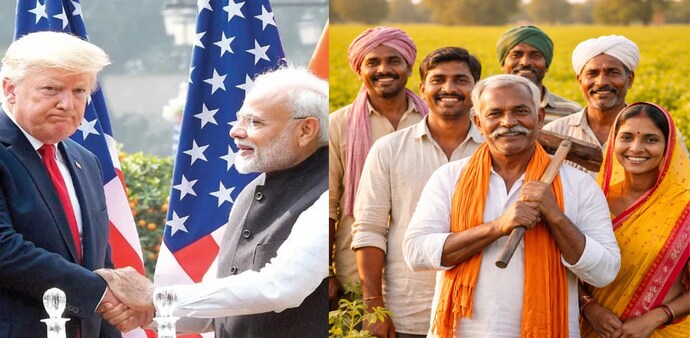
Union Commerce Minister Piyush Goyal on Saturday confirmed that India's agricultural sector has been safeguarded in the interim trade agreement with the United States. India reached a framework for an interim trade agreement with the US, under which the agriculture and dairy sectors would continue to be protected.
Advertisement
Goyal said that dairy, fruits, vegetables, spices, and other grains have been protected. He added that even the dairy sector has been safeguarded under the interim trade pact. Goyal further mentioned that Indian agricultural goods would get preferential access to American markets.
"Farmers Safe, Country Developed... In the India-US trade agreement, dairy, fruits, vegetables, spices, and other grains have been protected. This will safeguard the interests of domestic farmers, strengthen local agriculture through preferential access to such a large market, and mark another powerful step forward in the direction of a self-reliant India," Goyal said in a post on X.
List of agricultural and dairy imports not allowed into India
Advertisement
Grains that the US cannot export to India include wheat, rice, maize, amaranth, bajra, oats, barley, sorghum, siamak, kodo, copra, kangni, maida, and hulled grains.
Dairy products such as milk (liquid, powder, condensed, etc.), cream, yoghurt, buttermilk, butter, ghee, cheese (mozzarella, blue vend, grated, powdered), butter oil, paneer, whey products, etc., would also not be imported from the US.
Vegetables, fruits farmers also get a protective shield
Vegetables such as potatoes, peas, beans, pumpkins, squash, gourds, snake gourd, green pepper, okra (bhindi), coccinia (kundru), mixed frozen vegetables, cucumber, gherkins, mushrooms (Genus Agaricus), leguminous vegetables (shelled or unshelled), mixed frozen vegetables and assorted canned vegetables would also not be imported.
These also include dehydrated garlic powder/flakes, dried garlic, kabuli chana, and sweet potatoes, with no concessions granted.
Advertisement
Citrus fruits, including oranges, mandarins (including tangarines and satsumas), clementines, citrus hybrids (wilkings and other similar fruits), grapefruit (including pomelos), lemons and limes and others, will also not be imported from the US.
Farmers engaged in strawberry farming have also gotten a protective shield. Other fruits and fruit-based products that have been protected include fresh bananas, other banana products, dried mango slices, mango pulp, mango slices in brine, and other mango products.
Dried fruits including prunes, dried apples, dried tamarind, singhoda (water chestnut); preserved fruits like cherries as well as peels of citrus fruits or melon dried are also exempt, with no concessions granted.
The spices industry also benefits
The country's spices industry has also been protected under the Indo-US trade pact, with no concessions granted. At present, India is the world's largest producer, consumer, and exporter of spices, controlling 40-50 per cent of global trade with exports topping $4.5 billion in FY25.
Spices including black pepper, celery seeds, cloves, dried green chillies, cinnamon, coriander, asafoetida, ginger, turmeric, carom seeds, fenugreek, coffee pods, cassia, cassia torea, mustard, poppy seeds, mustard seeds, husk, other spice seeds, other powdered spices and mixtures of two or more spices.
Union Commerce Minister Piyush Goyal on Saturday confirmed that India's agricultural sector has been safeguarded in the interim trade agreement with the United States. India reached a framework for an interim trade agreement with the US, under which the agriculture and dairy sectors would continue to be protected.
Advertisement
Goyal said that dairy, fruits, vegetables, spices, and other grains have been protected. He added that even the dairy sector has been safeguarded under the interim trade pact. Goyal further mentioned that Indian agricultural goods would get preferential access to American markets.
"Farmers Safe, Country Developed... In the India-US trade agreement, dairy, fruits, vegetables, spices, and other grains have been protected. This will safeguard the interests of domestic farmers, strengthen local agriculture through preferential access to such a large market, and mark another powerful step forward in the direction of a self-reliant India," Goyal said in a post on X.
List of agricultural and dairy imports not allowed into India
Advertisement
Grains that the US cannot export to India include wheat, rice, maize, amaranth, bajra, oats, barley, sorghum, siamak, kodo, copra, kangni, maida, and hulled grains.
Dairy products such as milk (liquid, powder, condensed, etc.), cream, yoghurt, buttermilk, butter, ghee, cheese (mozzarella, blue vend, grated, powdered), butter oil, paneer, whey products, etc., would also not be imported from the US.
Vegetables, fruits farmers also get a protective shield
Vegetables such as potatoes, peas, beans, pumpkins, squash, gourds, snake gourd, green pepper, okra (bhindi), coccinia (kundru), mixed frozen vegetables, cucumber, gherkins, mushrooms (Genus Agaricus), leguminous vegetables (shelled or unshelled), mixed frozen vegetables and assorted canned vegetables would also not be imported.
These also include dehydrated garlic powder/flakes, dried garlic, kabuli chana, and sweet potatoes, with no concessions granted.
Advertisement
Citrus fruits, including oranges, mandarins (including tangarines and satsumas), clementines, citrus hybrids (wilkings and other similar fruits), grapefruit (including pomelos), lemons and limes and others, will also not be imported from the US.
Farmers engaged in strawberry farming have also gotten a protective shield. Other fruits and fruit-based products that have been protected include fresh bananas, other banana products, dried mango slices, mango pulp, mango slices in brine, and other mango products.
Dried fruits including prunes, dried apples, dried tamarind, singhoda (water chestnut); preserved fruits like cherries as well as peels of citrus fruits or melon dried are also exempt, with no concessions granted.
The spices industry also benefits
The country's spices industry has also been protected under the Indo-US trade pact, with no concessions granted. At present, India is the world's largest producer, consumer, and exporter of spices, controlling 40-50 per cent of global trade with exports topping $4.5 billion in FY25.
Spices including black pepper, celery seeds, cloves, dried green chillies, cinnamon, coriander, asafoetida, ginger, turmeric, carom seeds, fenugreek, coffee pods, cassia, cassia torea, mustard, poppy seeds, mustard seeds, husk, other spice seeds, other powdered spices and mixtures of two or more spices.
Read more!