
'Japan provides powerful inspiration': Ex-CEA backs PM Modi's push for domestic spending
India's growth depends more on domestic policy than global conditions, says former CEA KV Subramanian
- Sep 1, 2026,
- Updated Sep 1, 2026 6:59 PM IST
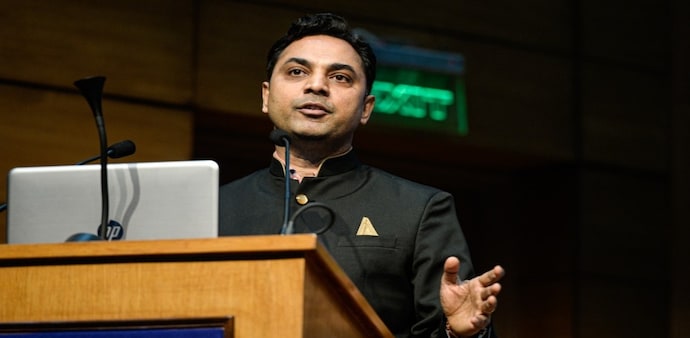
Former Chief Economic Adviser Krishnamurthy V Subramanian has backed Prime Minister Narendra Modi's push for Indians to spend more within the country. He said stronger domestic demand can help India sustain high growth despite global uncertainty.
Subramanian, in a post on Tuesday, said India's growth depends more on domestic policy than global conditions. His comments came after Modi urged Indians to avoid leisure trips abroad, overseas weddings, and unnecessary gold purchases, while calling for greater emphasis on swadeshi and self-reliance.
Must Read: 'Don't take foreign trips, avoid gold purchases': From Bishkek, PM Modi reiterates 'swadeshi' call
"Global uncertainty matters. But domestic policy matters more," the former CEA wrote. "Japan provides powerful inspiration. Between 1970 and 1995, Japan's nominal GDP rose from $221.8 billion to $5.64 trillion. More than 25x in just 25 years."
"Every time the global environment becomes uncertain, the question arises: Can India continue to grow rapidly?" he wrote. "My answer is simple: Yes, by getting domestic policy right."
The economist said India's consumption accounts for about 58-60% of GDP and is overwhelmingly domestic. Investment makes up about 28-30%, with most of it also coming from domestic sources. Government expenditure contributes around 10-12%. "In other words, the lion's share of India's GDP is driven by domestic factors," he said.
In Case You Missed It: India's Manufacturing Majors: The Companies Building at Scale
Subramanian, who served as Chief Economic Adviser from December 2018 to December 2021, said global conditions still matter, but should not determine India’s economic trajectory. "By getting domestic policies right, combined with structural reforms, we can generate our own growth momentum," he wrote.
He backed Modi's appeal to maximise spending within India, saying greater domestic spending by people with high purchasing power could strengthen demand, investment, and employment. But he said consumption alone would not be enough.
"The next frontier is factor-market reform. India must continue improving the allocation of land, labour, power for manufacturing, scale to reduce average costs, and capital. This would help reduce manufacturing costs and strengthen India's competitiveness," the economist said.
Many of these reforms, he said, would need to be undertaken by state governments, while the Reserve Bank of India would have to take responsibility for capital.
Lessons From Japan
Subramanian said Japan's growth did not happen during a period of favourable global conditions. The country faced the oil shocks of the 1970s, high global inflation, and exceptionally high US interest rates, yet continued its economic transformation. "The lesson is not that global shocks do not matter. The lesson is that good domestic policies matter even more," he stated.
India, he said, has a large domestic market, entrepreneurial energy, improving infrastructure, and significant growth potential. "If we continue to strengthen our domestic foundations and undertake the next generation of reforms, we can continue to grow at high rates," he said.
"The world will always produce shocks. Domestic policy determines whether those shocks become destiny."
Former Chief Economic Adviser Krishnamurthy V Subramanian has backed Prime Minister Narendra Modi's push for Indians to spend more within the country. He said stronger domestic demand can help India sustain high growth despite global uncertainty.
Subramanian, in a post on Tuesday, said India's growth depends more on domestic policy than global conditions. His comments came after Modi urged Indians to avoid leisure trips abroad, overseas weddings, and unnecessary gold purchases, while calling for greater emphasis on swadeshi and self-reliance.
Must Read: 'Don't take foreign trips, avoid gold purchases': From Bishkek, PM Modi reiterates 'swadeshi' call
"Global uncertainty matters. But domestic policy matters more," the former CEA wrote. "Japan provides powerful inspiration. Between 1970 and 1995, Japan's nominal GDP rose from $221.8 billion to $5.64 trillion. More than 25x in just 25 years."
"Every time the global environment becomes uncertain, the question arises: Can India continue to grow rapidly?" he wrote. "My answer is simple: Yes, by getting domestic policy right."
The economist said India's consumption accounts for about 58-60% of GDP and is overwhelmingly domestic. Investment makes up about 28-30%, with most of it also coming from domestic sources. Government expenditure contributes around 10-12%. "In other words, the lion's share of India's GDP is driven by domestic factors," he said.
In Case You Missed It: India's Manufacturing Majors: The Companies Building at Scale
Subramanian, who served as Chief Economic Adviser from December 2018 to December 2021, said global conditions still matter, but should not determine India’s economic trajectory. "By getting domestic policies right, combined with structural reforms, we can generate our own growth momentum," he wrote.
He backed Modi's appeal to maximise spending within India, saying greater domestic spending by people with high purchasing power could strengthen demand, investment, and employment. But he said consumption alone would not be enough.
"The next frontier is factor-market reform. India must continue improving the allocation of land, labour, power for manufacturing, scale to reduce average costs, and capital. This would help reduce manufacturing costs and strengthen India's competitiveness," the economist said.
Many of these reforms, he said, would need to be undertaken by state governments, while the Reserve Bank of India would have to take responsibility for capital.
Lessons From Japan
Subramanian said Japan's growth did not happen during a period of favourable global conditions. The country faced the oil shocks of the 1970s, high global inflation, and exceptionally high US interest rates, yet continued its economic transformation. "The lesson is not that global shocks do not matter. The lesson is that good domestic policies matter even more," he stated.
India, he said, has a large domestic market, entrepreneurial energy, improving infrastructure, and significant growth potential. "If we continue to strengthen our domestic foundations and undertake the next generation of reforms, we can continue to grow at high rates," he said.
"The world will always produce shocks. Domestic policy determines whether those shocks become destiny."