
'Keeping UPI free for next 5 years would keep India ahead': Thyrocare founder Velumani
'Keeping UPI free for next 5 years would keep India ahead': Thyrocare founder Velumani
From October 15, a 0.4 per cent MDR will apply to person-to-merchant UPI payments above Rs 2,000
Business Today Desk
- Sep 16, 2026,
- Updated Sep 16, 2026 8:05 PM IST
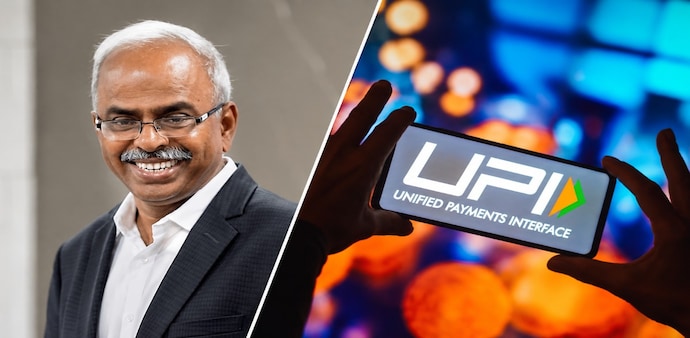
Thyrocare founder Dr A Velumani on Wednesday backed former BharatPe co-founder Ashneer Grover's call to keep Unified Payments Interface (UPI) transactions free.
Velumani said he had spent an hour with Grover in Mauritius last month and was impressed by his understanding of the UPI ecosystem.
The entrepreneur said keeping UPI free could help India stay ahead in digital payments. "Keeping UPI free, without any 'ifs and buts' for next 5 years would keep India ahead in many ways," he said.
Advertisement
Must Read: MDR on UPI: Will cash be king again? Here’s what industry voices say
Grover has criticised the MDR charges on UPI transactions. In a tweet on Wednesday, he said: "Had Chandra sahab’s ₹22,000 crore not been waived, UPI could have remained free in India for the next 20 years with the government’s ₹8,000 crore subsidy."
In Case You Missed It: Will MDR strengthen the UPI ecosystem?
He also said that NPCI - which runs UPI, has ₹6,119 crore hard cash on its balance sheet and pre-tax operating profit of ₹1,900 crores. "NPCI apne cash pe and profits par zindagi bhar UPI free chala sakti hai (NPCI can run UPI for free forever using its own cash and profits). Government ka kuchh lena dena hi nahi hai (The government has nothing to do with it). Government earned ₹1,000 crores tax from NPCI last year."
Advertisement
Capitalmind CEO Deepak Shenoy also backed free UPI. He wrote that banks are already compensated through the savings account balances they hold and the returns they earn from the resulting float.
"Should we allow banks to charge us for UPI transactions? The answer: No, they're paid anyhow. Banks are designed to give us payment system for free because they take our money as savings account balances and earn enough float - and they earn many multiples of what UPI costs them," he wrote.
From October 15, a 0.4 per cent MDR will apply to person-to-merchant UPI payments above Rs 2,000. The charge will be paid by merchants, not consumers, and will be capped at Rs 300 for transactions of Rs 75,000 or more.
Thyrocare founder Dr A Velumani on Wednesday backed former BharatPe co-founder Ashneer Grover's call to keep Unified Payments Interface (UPI) transactions free.
Velumani said he had spent an hour with Grover in Mauritius last month and was impressed by his understanding of the UPI ecosystem.
The entrepreneur said keeping UPI free could help India stay ahead in digital payments. "Keeping UPI free, without any 'ifs and buts' for next 5 years would keep India ahead in many ways," he said.
Advertisement
Must Read: MDR on UPI: Will cash be king again? Here’s what industry voices say
Grover has criticised the MDR charges on UPI transactions. In a tweet on Wednesday, he said: "Had Chandra sahab’s ₹22,000 crore not been waived, UPI could have remained free in India for the next 20 years with the government’s ₹8,000 crore subsidy."
In Case You Missed It: Will MDR strengthen the UPI ecosystem?
He also said that NPCI - which runs UPI, has ₹6,119 crore hard cash on its balance sheet and pre-tax operating profit of ₹1,900 crores. "NPCI apne cash pe and profits par zindagi bhar UPI free chala sakti hai (NPCI can run UPI for free forever using its own cash and profits). Government ka kuchh lena dena hi nahi hai (The government has nothing to do with it). Government earned ₹1,000 crores tax from NPCI last year."
Advertisement
Capitalmind CEO Deepak Shenoy also backed free UPI. He wrote that banks are already compensated through the savings account balances they hold and the returns they earn from the resulting float.
"Should we allow banks to charge us for UPI transactions? The answer: No, they're paid anyhow. Banks are designed to give us payment system for free because they take our money as savings account balances and earn enough float - and they earn many multiples of what UPI costs them," he wrote.
From October 15, a 0.4 per cent MDR will apply to person-to-merchant UPI payments above Rs 2,000. The charge will be paid by merchants, not consumers, and will be capped at Rs 300 for transactions of Rs 75,000 or more.
Read more!