
'Kolkata has become a city of old age pensioners': FM Swapan Dasgupta on Bengal's decline and skill shortage
The Bengalis are in the top places all over the world. Some people say they are very accomplished, but they're not in Bengal, says FM Swapan Dasgupta
- Aug 23, 2026,
- Updated Aug 23, 2026 3:55 PM IST
Kolkata has become "a city of old age pensioners" as young people have left for jobs in Bengaluru, Gurugram, Noida, and overseas, West Bengal Finance Minister Swapan Dasgupta said on Friday.
He said the state is facing a "huge degree of skill deficit".
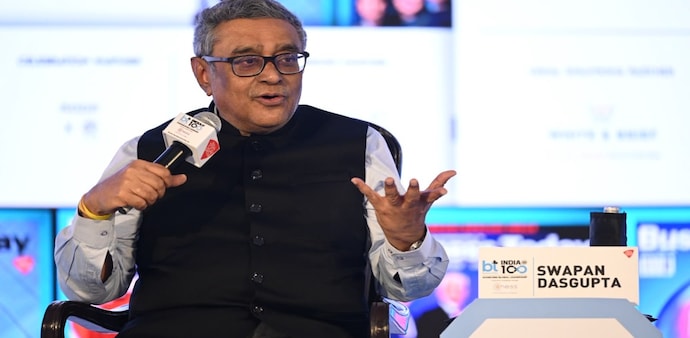
Speaking in an exclusive conversation with Business Today Group Editor Siddharth Zarabi at BT's India@100 event, Dasgupta said the state was dealing with a "huge skill deficit" after five decades of economic decline.
The BJP formed its first government in West Bengal in May this year, ending Mamata Banerjee's 15-year rule. While Suvendu Adhikari took over as chief minister, he handed the finance portfolio to Swapan Dasgupta.
Now, Dasgupta has an uphill task of reviving the state economy, which has been on a decline for decades.
Don't Miss: West Bengal to rationalise land laws for better business environment: Swapan Dasgupta
The BJP's victory in West Bengal this May reflected not just a vote against misgovernance but also growing frustration with the state's prolonged decline, the finance minister said.
Dasgupta said West Bengal had experienced "a period of uninterrupted decline for 50 years". He traced it to labour militancy in the 1960s and the extreme left-wing turbulence that followed. He said the process eventually reached a high point with the Tata Group's exit from Singur.
"When the Tatas were literally booted out of the state, the message which went out to the rest of Bengal, to the rest of India, and indeed to the world was that if the Tatas can't do business in West Bengal, then who the hell are we to do anything," he said.
But Dasgupta said the decline had also carried a human cost. While campaigning in South Kolkata, he said, it was "a rarity to find young people".
"You ask people, where are your children? Their inevitable answer was - oh, they're in Bangalore, they're in Gurugram, they're in Noida, they've gone overseas. And people have just voted with their feet and left," he said.
The BJP leader said many Bengalis had gone on to hold top positions around the world but had left the state behind. "The bongs are the ones who are in top places all over the world. Some people say they are very accomplished etc but they're not in Bengal. They've gone elsewhere, they've taken a one-way ticket out," he said. "So it's amidst that that you're trying to reverse a process of historic decline for 50 years."
Manufacturing, Services, Deep Tech
Dasgupta said changing Bengal's business mindset would be another key challenge.
"There is a perception, and indeed it's more than a perception, it's reality that Bengalis particularly tend to be anti-business," he said. The state would need to reverse that perception as it tries to rebuild its economy, he added.
Bengal has a strong industrial legacy. Dasgupta noted that around the time of Independence, the state was ranked second economically. But the decline began in the late 1960s and early 1970s.
Asked whether the state could rebuild on its much older economic legacy, he said it could not simply recreate the past.
At one point, he said, around 20% of the world's GDP came from Bengal, with Murshidabad a major centre because of its silk industry.
"Obviously, you're not going to get that back," the finance minister said. "What you can get back is manufacturing, a boom in services, and most importantly, you can see an injection of deep tech into West Bengal," he said.
He acknowledged that Bengal had lost ground to Gujarat, Karnataka, and even Odisha.
Asked if he was tempering expectations of a rapid turnaround, he said: "You have to, you can't get miracles."
Kolkata has become "a city of old age pensioners" as young people have left for jobs in Bengaluru, Gurugram, Noida, and overseas, West Bengal Finance Minister Swapan Dasgupta said on Friday.
He said the state is facing a "huge degree of skill deficit".
Speaking in an exclusive conversation with Business Today Group Editor Siddharth Zarabi at BT's India@100 event, Dasgupta said the state was dealing with a "huge skill deficit" after five decades of economic decline.
The BJP formed its first government in West Bengal in May this year, ending Mamata Banerjee's 15-year rule. While Suvendu Adhikari took over as chief minister, he handed the finance portfolio to Swapan Dasgupta.
Now, Dasgupta has an uphill task of reviving the state economy, which has been on a decline for decades.
Don't Miss: West Bengal to rationalise land laws for better business environment: Swapan Dasgupta
The BJP's victory in West Bengal this May reflected not just a vote against misgovernance but also growing frustration with the state's prolonged decline, the finance minister said.
Dasgupta said West Bengal had experienced "a period of uninterrupted decline for 50 years". He traced it to labour militancy in the 1960s and the extreme left-wing turbulence that followed. He said the process eventually reached a high point with the Tata Group's exit from Singur.
"When the Tatas were literally booted out of the state, the message which went out to the rest of Bengal, to the rest of India, and indeed to the world was that if the Tatas can't do business in West Bengal, then who the hell are we to do anything," he said.
But Dasgupta said the decline had also carried a human cost. While campaigning in South Kolkata, he said, it was "a rarity to find young people".
"You ask people, where are your children? Their inevitable answer was - oh, they're in Bangalore, they're in Gurugram, they're in Noida, they've gone overseas. And people have just voted with their feet and left," he said.
The BJP leader said many Bengalis had gone on to hold top positions around the world but had left the state behind. "The bongs are the ones who are in top places all over the world. Some people say they are very accomplished etc but they're not in Bengal. They've gone elsewhere, they've taken a one-way ticket out," he said. "So it's amidst that that you're trying to reverse a process of historic decline for 50 years."
Manufacturing, Services, Deep Tech
Dasgupta said changing Bengal's business mindset would be another key challenge.
"There is a perception, and indeed it's more than a perception, it's reality that Bengalis particularly tend to be anti-business," he said. The state would need to reverse that perception as it tries to rebuild its economy, he added.
Bengal has a strong industrial legacy. Dasgupta noted that around the time of Independence, the state was ranked second economically. But the decline began in the late 1960s and early 1970s.
Asked whether the state could rebuild on its much older economic legacy, he said it could not simply recreate the past.
At one point, he said, around 20% of the world's GDP came from Bengal, with Murshidabad a major centre because of its silk industry.
"Obviously, you're not going to get that back," the finance minister said. "What you can get back is manufacturing, a boom in services, and most importantly, you can see an injection of deep tech into West Bengal," he said.
He acknowledged that Bengal had lost ground to Gujarat, Karnataka, and even Odisha.
Asked if he was tempering expectations of a rapid turnaround, he said: "You have to, you can't get miracles."