
MDR on UPI: Will examine concerns raised by stockbrokers, says SEBI chief
Also says there had been no letter from NSE seeking permission to trade its shares on its own platform and that currently it couldn't be permitted
- Sep 17, 2026,
- Updated Sep 17, 2026 12:49 PM IST
The Securities and Exchange Board of India (SEBI) will investigate concerns raised by brokers on the new charges that will be applicable to UPI payments. This follows the introduction of MDR (merchant discount rate) on UPI payments above Rs 2,000 from October 15.
Brokers have raised concerns over the impact of MDR on their costs.
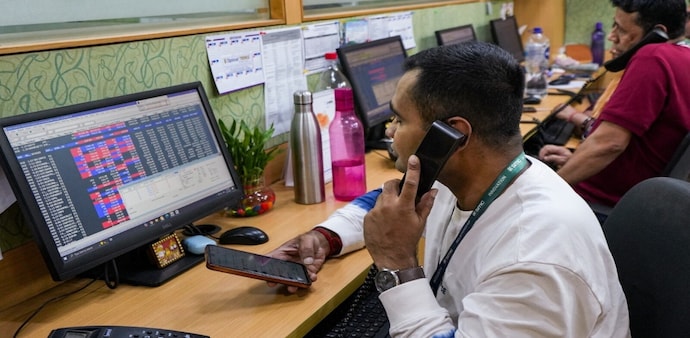
Stockbrokers could incur MDR when clients transfer funds via UPI. But there is no guarantee brokers will earn corresponding brokerage as the client may not necessarily trade soon after transferring the funds.
Zerodha co-founder and CEO Nithin Kamath had highlighted the issue on Wednesday.
"The problem with broking is that there is no guarantee that money transferred to a broker will actually result in a transaction. As brokers, we can’t force a customer to trade after transferring money. And if we can’t pass the UPI charge on to the customer, there is essentially no limit to the cost a customer can impose on a broker without generating any revenue, " Kamath had said.
Capitalmind founder Deepak Shenoy had also stated that an MDR of 0.02% plus GST for UPI transactions over Rs 2,000 was unfair for the investment industry and brokers may need to rethink their models.
Tuhin Kanta Pandey said on Thursday that the issues needed to be look into.
MUST READ: UPI MDR vs cards: Is UPI still cheaper for merchants despite the new charges on ₹2,000+ payments?
"There are some important issues there. We will certainly look into it and see how we can ease that," he said on the sidelines of an infrastructure conclave organised by National Bank for Financing Infrastructure and Development.
Pandey also informed that there has been no letter from NSE seeking permission from the market regulator to trade its shares post-listing on its own platform.
NSE MD and CEO Ashishkumar Chauhan had also said last week that no application has been made with SEBI to allow its shares to be traded on its exchange.
Pandey said there was no such requirement and that currently it couldn't be permitted.
There had been some reports earlier that NSE may seek approval for its shares to trade on own platform under the permitted-to-trade framework.
The NSE IPO opened for subscription on Thursday. The issue comprises of an offer for sale of Rs 22,562 crore.
Speaking at the NaBFID event, Pandey stressed on the need to expand the municipal bond market further given the huge amount of capital that was needed for the development of cities.
He noted that as of the end of financial year 2026, 22 urban local bodies had raised more than Rs 4,500 crore through 31 municipal bond issuances. The next phase will require continued focus on municipal creditworthiness, governance disclosure and predictable project cashflows.
"I see specific areas where further progress can deepen this ecosystem first by increasing participation in REITS (real estate investment trusts) and InvITs (Infrastructure Investment Trusts). There is scope to bring in more domestic and institutional capital, global long-term investors and retail participation," stressed Pandey.
He also called for deepening the corporate bond market, with the need for a wider issuer base, greater participation and better secondary market liquidity. SEBI has proposed a review of the accredited investor framework to widen the access for sophisticated investors, deepen the pool of domestic and foreign risk capital and strengthen the market ecosystem.
"One of the important issues is municipal governance and municipal capacity to repay. The regulations are in place. We have an escrow mechanism," Pandey noted.
SEBI may allow municipalities to come together for pooled financing, he said.
MUST READ: UPI MDR of 0.4% on transactions above ₹2,000 from October 15: What you need to know
The Securities and Exchange Board of India (SEBI) will investigate concerns raised by brokers on the new charges that will be applicable to UPI payments. This follows the introduction of MDR (merchant discount rate) on UPI payments above Rs 2,000 from October 15.
Brokers have raised concerns over the impact of MDR on their costs.
Stockbrokers could incur MDR when clients transfer funds via UPI. But there is no guarantee brokers will earn corresponding brokerage as the client may not necessarily trade soon after transferring the funds.
Zerodha co-founder and CEO Nithin Kamath had highlighted the issue on Wednesday.
"The problem with broking is that there is no guarantee that money transferred to a broker will actually result in a transaction. As brokers, we can’t force a customer to trade after transferring money. And if we can’t pass the UPI charge on to the customer, there is essentially no limit to the cost a customer can impose on a broker without generating any revenue, " Kamath had said.
Capitalmind founder Deepak Shenoy had also stated that an MDR of 0.02% plus GST for UPI transactions over Rs 2,000 was unfair for the investment industry and brokers may need to rethink their models.
Tuhin Kanta Pandey said on Thursday that the issues needed to be look into.
MUST READ: UPI MDR vs cards: Is UPI still cheaper for merchants despite the new charges on ₹2,000+ payments?
"There are some important issues there. We will certainly look into it and see how we can ease that," he said on the sidelines of an infrastructure conclave organised by National Bank for Financing Infrastructure and Development.
Pandey also informed that there has been no letter from NSE seeking permission from the market regulator to trade its shares post-listing on its own platform.
NSE MD and CEO Ashishkumar Chauhan had also said last week that no application has been made with SEBI to allow its shares to be traded on its exchange.
Pandey said there was no such requirement and that currently it couldn't be permitted.
There had been some reports earlier that NSE may seek approval for its shares to trade on own platform under the permitted-to-trade framework.
The NSE IPO opened for subscription on Thursday. The issue comprises of an offer for sale of Rs 22,562 crore.
Speaking at the NaBFID event, Pandey stressed on the need to expand the municipal bond market further given the huge amount of capital that was needed for the development of cities.
He noted that as of the end of financial year 2026, 22 urban local bodies had raised more than Rs 4,500 crore through 31 municipal bond issuances. The next phase will require continued focus on municipal creditworthiness, governance disclosure and predictable project cashflows.
"I see specific areas where further progress can deepen this ecosystem first by increasing participation in REITS (real estate investment trusts) and InvITs (Infrastructure Investment Trusts). There is scope to bring in more domestic and institutional capital, global long-term investors and retail participation," stressed Pandey.
He also called for deepening the corporate bond market, with the need for a wider issuer base, greater participation and better secondary market liquidity. SEBI has proposed a review of the accredited investor framework to widen the access for sophisticated investors, deepen the pool of domestic and foreign risk capital and strengthen the market ecosystem.
"One of the important issues is municipal governance and municipal capacity to repay. The regulations are in place. We have an escrow mechanism," Pandey noted.
SEBI may allow municipalities to come together for pooled financing, he said.
MUST READ: UPI MDR of 0.4% on transactions above ₹2,000 from October 15: What you need to know