
No rate cut yet: RBI signals patience as food, fuel inflation risks persist
The RBI has kept the repo rate unchanged at 5.25% as rising food and fuel prices push headline inflation higher, opting to wait for greater clarity before changing policy. With inflation largely driven by supply-side pressures and growth remaining resilient, the MPC has retained its neutral stance.
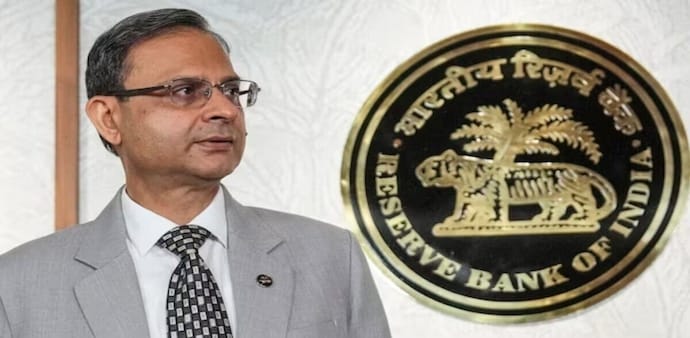
- Aug 19, 2026,
- Updated Aug 19, 2026 6:32 PM IST
The Reserve Bank of India’s Monetary Policy Committee (MPC) has opted to keep the policy repo rate unchanged at 5.25%, signalling a cautious approach as food and fuel prices push headline inflation higher. While inflation has moved above the central bank’s 4% target, the MPC has held off on both rate cuts and immediate tightening, citing the largely supply-driven nature of current price pressures.
The decision was unanimous, with all six MPC members voting to maintain the repo rate and retain the neutral stance. The standing deposit facility rate remains at 5%, while the marginal standing facility and Bank Rate remain at 5.50%.
Why the RBI is holding rates
Headline CPI inflation rose to 4.4% in June 2026 after remaining below the RBI’s target for 16 consecutive months. The increase was primarily driven by higher food and fuel inflation, with price pressures broadening across several food categories during May and June.
However, the MPC noted that there were limited signs of inflation becoming broad-based. Core inflation remained at 3.9% during May-June, while core inflation excluding precious metals was considerably lower.
This distinction is important for monetary policy. Since much of the current inflation is being driven by supply-side factors such as food prices, energy costs and geopolitical disruptions, raising interest rates immediately may have limited effectiveness in addressing the underlying causes.
At the same time, cutting rates could risk adding demand-side pressure while inflation is moving higher. The MPC therefore opted for a wait-and-watch approach, retaining flexibility to respond as the inflation trajectory becomes clearer.
MUST READ: RBI gives $50 billion boost: How FCNR(B) deposits are strengthening India’s forex position
Food, fuel and global risks
The RBI expects CPI inflation to rise further in the near term and peak at 5.9% in the third quarter of 2026-27 before moderating to 5.5% in the fourth quarter. Full-year inflation is projected at 5%.
The central bank flagged several risks to this outlook, including an uneven south-west monsoon and El Niño conditions, which could affect agricultural output and food prices. Volatile global oil prices and geopolitical developments also remain key concerns.
The MPC warned that higher food, fuel and input costs could eventually result in broader price pressures if they feed into other goods and services. However, it said there was limited evidence of such generalisation so far.
ALSO READ: Can banks change your loan benchmark? RBI draft says borrower consent will be needed
Growth gives RBI room to wait
The Indian economy continues to show resilience, reducing the immediate need for monetary support. The RBI has projected real GDP growth for 2026-27 at 6.7%, with private consumption, investment, services exports, credit growth and infrastructure spending supporting activity.
The central bank also noted that robust domestic demand and sustained manufacturing and services activity are supporting growth despite global headwinds.
With growth remaining resilient and inflation risks still elevated, the MPC has chosen to preserve policy flexibility rather than move prematurely in either direction. The RBI said greater clarity on inflation, its trajectory and composition would be important before taking further policy action.
The next MPC meeting is scheduled for October 5-7, when incoming data on inflation, monsoon conditions, oil prices and economic activity will help determine whether the current pause can continue.
MUST SEE: RBI MPC update: Central bank keeps repo rate unchanged at 5.25%, says Governor Sanjay Malhotra
The Reserve Bank of India’s Monetary Policy Committee (MPC) has opted to keep the policy repo rate unchanged at 5.25%, signalling a cautious approach as food and fuel prices push headline inflation higher. While inflation has moved above the central bank’s 4% target, the MPC has held off on both rate cuts and immediate tightening, citing the largely supply-driven nature of current price pressures.
The decision was unanimous, with all six MPC members voting to maintain the repo rate and retain the neutral stance. The standing deposit facility rate remains at 5%, while the marginal standing facility and Bank Rate remain at 5.50%.
Why the RBI is holding rates
Headline CPI inflation rose to 4.4% in June 2026 after remaining below the RBI’s target for 16 consecutive months. The increase was primarily driven by higher food and fuel inflation, with price pressures broadening across several food categories during May and June.
However, the MPC noted that there were limited signs of inflation becoming broad-based. Core inflation remained at 3.9% during May-June, while core inflation excluding precious metals was considerably lower.
This distinction is important for monetary policy. Since much of the current inflation is being driven by supply-side factors such as food prices, energy costs and geopolitical disruptions, raising interest rates immediately may have limited effectiveness in addressing the underlying causes.
At the same time, cutting rates could risk adding demand-side pressure while inflation is moving higher. The MPC therefore opted for a wait-and-watch approach, retaining flexibility to respond as the inflation trajectory becomes clearer.
MUST READ: RBI gives $50 billion boost: How FCNR(B) deposits are strengthening India’s forex position
Food, fuel and global risks
The RBI expects CPI inflation to rise further in the near term and peak at 5.9% in the third quarter of 2026-27 before moderating to 5.5% in the fourth quarter. Full-year inflation is projected at 5%.
The central bank flagged several risks to this outlook, including an uneven south-west monsoon and El Niño conditions, which could affect agricultural output and food prices. Volatile global oil prices and geopolitical developments also remain key concerns.
The MPC warned that higher food, fuel and input costs could eventually result in broader price pressures if they feed into other goods and services. However, it said there was limited evidence of such generalisation so far.
ALSO READ: Can banks change your loan benchmark? RBI draft says borrower consent will be needed
Growth gives RBI room to wait
The Indian economy continues to show resilience, reducing the immediate need for monetary support. The RBI has projected real GDP growth for 2026-27 at 6.7%, with private consumption, investment, services exports, credit growth and infrastructure spending supporting activity.
The central bank also noted that robust domestic demand and sustained manufacturing and services activity are supporting growth despite global headwinds.
With growth remaining resilient and inflation risks still elevated, the MPC has chosen to preserve policy flexibility rather than move prematurely in either direction. The RBI said greater clarity on inflation, its trajectory and composition would be important before taking further policy action.
The next MPC meeting is scheduled for October 5-7, when incoming data on inflation, monsoon conditions, oil prices and economic activity will help determine whether the current pause can continue.
MUST SEE: RBI MPC update: Central bank keeps repo rate unchanged at 5.25%, says Governor Sanjay Malhotra