
NPCIL seeks financial autonomy as India accelerates nuclear power push
NPCIL has sought enhanced powers to its Board on the lines of Maharatna PSUs to expedite decision making eyeing 100GW nuclear power target by 2047.
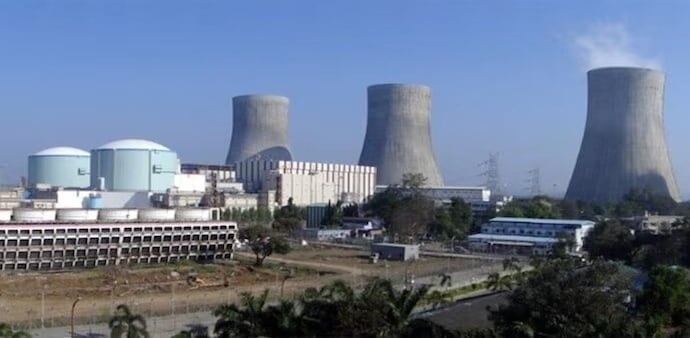
- Aug 10, 2026,
- Updated Aug 10, 2026 12:43 PM IST
As India looks at ramping nuclear power capacity, the Nuclear Power Corporation of India Limited (NPCIL) has NPCIL sought enhanced delegation of financial and administrative powers to its Board—similar to Maharatna PSUs to expedite decision making.
NPCIL is a Public Sector Enterprise under the administrative control of the Department of Atomic Energy (DAE), Government of India.
A parliamentary standing noted the NPCIL’s demand, saying the committee note that NPCIL continues to face certain policy and regulatory requirements, including multi-stage reviews and clearances for repeat design projects as well as varied procedures for environmental consents, which may at times contribute to schedule extensions and additional project costs.
“In the scenario of the extensive capacity expansion envisaged towards generation of 100GW of nuclear energy for Viksit Bharat by the year 2047, it is highly desirable that the Board of NPCIL is empowered with greater financial autonomy,” it said in its report tabled in the parliament last week.
In its response the DAE said that it has noted the committees point without giving any further details on timeline and process to achieve it.
The Committee also observed that NPCIL has sought restoration of mega-project concessions/GST waivers, and inclusion of nuclear power within national green taxonomy and financial incentive frameworks at par with renewable energy.
“Furthermore, the Committee recognise the need for strengthened participation of State Governments across the full lifecycle of nuclear plants, especially in land acquisition, local engagement and facilitation of critical infrastructure, water supply and emergency planning,” it said.
The Committee desire that the Government may explore options to consider empowering NPCIL’s Board with greater autonomy in financial sanctioning of equity-funded projects.
It further desire that mechanisms be developed for proactive resolution of State-level issues, enhanced nuclear liability insurance availability, and stronger frameworks supporting local employment, women’s participation and welfare of Project Affected Persons (PAPs).
The Committee believe that these reforms will accelerate the timely commissioning of new nuclear projects and bolster India’s march towards energy security and net-zero commitments.
As India looks at ramping nuclear power capacity, the Nuclear Power Corporation of India Limited (NPCIL) has NPCIL sought enhanced delegation of financial and administrative powers to its Board—similar to Maharatna PSUs to expedite decision making.
NPCIL is a Public Sector Enterprise under the administrative control of the Department of Atomic Energy (DAE), Government of India.
A parliamentary standing noted the NPCIL’s demand, saying the committee note that NPCIL continues to face certain policy and regulatory requirements, including multi-stage reviews and clearances for repeat design projects as well as varied procedures for environmental consents, which may at times contribute to schedule extensions and additional project costs.
“In the scenario of the extensive capacity expansion envisaged towards generation of 100GW of nuclear energy for Viksit Bharat by the year 2047, it is highly desirable that the Board of NPCIL is empowered with greater financial autonomy,” it said in its report tabled in the parliament last week.
In its response the DAE said that it has noted the committees point without giving any further details on timeline and process to achieve it.
The Committee also observed that NPCIL has sought restoration of mega-project concessions/GST waivers, and inclusion of nuclear power within national green taxonomy and financial incentive frameworks at par with renewable energy.
“Furthermore, the Committee recognise the need for strengthened participation of State Governments across the full lifecycle of nuclear plants, especially in land acquisition, local engagement and facilitation of critical infrastructure, water supply and emergency planning,” it said.
The Committee desire that the Government may explore options to consider empowering NPCIL’s Board with greater autonomy in financial sanctioning of equity-funded projects.
It further desire that mechanisms be developed for proactive resolution of State-level issues, enhanced nuclear liability insurance availability, and stronger frameworks supporting local employment, women’s participation and welfare of Project Affected Persons (PAPs).
The Committee believe that these reforms will accelerate the timely commissioning of new nuclear projects and bolster India’s march towards energy security and net-zero commitments.