
Piyush Goyal says India-US trade deal 'very close', but India won't sign until it...
India wants to ensure that goods it exports to the US, whether textiles, pharmaceuticals or engineering products, attract lower import duties than similar goods arriving from rival exporters such as Vietnam or Bangladesh, Goyal said
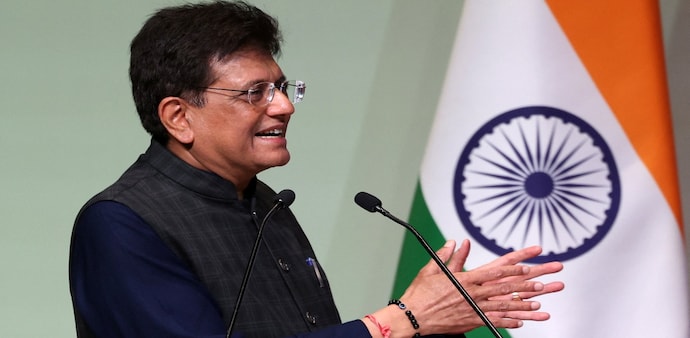
- Jun 26, 2026,
- Updated Jun 26, 2026 7:32 AM IST
India and the United States are close to signing a bilateral trade deal, but New Delhi is not ready to put pen to paper just yet. Commerce and Industry Minister Piyush Goyal, speaking in London on Thursday, confirmed that negotiations have largely concluded and that both sides have been refining the details since February 6.
What remains unresolved, he said, is a single but critical condition: India wants a formal guarantee that its exports will enjoy a tariff advantage over competing nations in the American market.
"The day the US finds appropriate tools to give us a competitive advantage, the deal is on," Goyal told Reuters.
What India is asking for
The concept at the heart of the delay is straightforward. India wants to ensure that goods it exports to the United States, whether textiles, pharmaceuticals or engineering products, attract lower import duties than similar goods arriving from rival exporters such as Vietnam or Bangladesh. If Indian products face the same tariff rates as competitors, the agreement loses a significant part of its economic value for Indian businesses.
Goyal was direct about the condition. "We cannot enter a deal with the US until the framework of having a comparative advantage is finalised," he said, adding that both sides are actively working on identifying the legal tools and mechanisms that would allow Washington to deliver that guarantee.
How the 18% tariff figure fits in
An earlier understanding between India and the United States centred on an 18% tariff rate for Indian goods. However, Goyal clarified that this figure was always premised on India receiving a relative advantage, not a flat rate applied equally to all trading partners. "When India agreed to an 18% tariff rate with the US, it was centred around having a comparative advantage," he said.
If competing countries end up receiving the same or better tariff treatment, that understanding effectively unravels, removing the incentive that made the original rate acceptable to India.
Why it matters
The proposed agreement is expected to cover tariffs, rules of origin, investment provisions and enhanced cooperation across multiple sectors. A successfully concluded deal between the world's largest and fifth-largest economies would open significant new market access for Indian exporters and deepen economic ties that both governments have publicly committed to strengthening.
India and the United States are close to signing a bilateral trade deal, but New Delhi is not ready to put pen to paper just yet. Commerce and Industry Minister Piyush Goyal, speaking in London on Thursday, confirmed that negotiations have largely concluded and that both sides have been refining the details since February 6.
What remains unresolved, he said, is a single but critical condition: India wants a formal guarantee that its exports will enjoy a tariff advantage over competing nations in the American market.
"The day the US finds appropriate tools to give us a competitive advantage, the deal is on," Goyal told Reuters.
What India is asking for
The concept at the heart of the delay is straightforward. India wants to ensure that goods it exports to the United States, whether textiles, pharmaceuticals or engineering products, attract lower import duties than similar goods arriving from rival exporters such as Vietnam or Bangladesh. If Indian products face the same tariff rates as competitors, the agreement loses a significant part of its economic value for Indian businesses.
Goyal was direct about the condition. "We cannot enter a deal with the US until the framework of having a comparative advantage is finalised," he said, adding that both sides are actively working on identifying the legal tools and mechanisms that would allow Washington to deliver that guarantee.
How the 18% tariff figure fits in
An earlier understanding between India and the United States centred on an 18% tariff rate for Indian goods. However, Goyal clarified that this figure was always premised on India receiving a relative advantage, not a flat rate applied equally to all trading partners. "When India agreed to an 18% tariff rate with the US, it was centred around having a comparative advantage," he said.
If competing countries end up receiving the same or better tariff treatment, that understanding effectively unravels, removing the incentive that made the original rate acceptable to India.
Why it matters
The proposed agreement is expected to cover tariffs, rules of origin, investment provisions and enhanced cooperation across multiple sectors. A successfully concluded deal between the world's largest and fifth-largest economies would open significant new market access for Indian exporters and deepen economic ties that both governments have publicly committed to strengthening.