
Strait of Hormuz disruption puts India’s energy security in focus: What former diplomat said
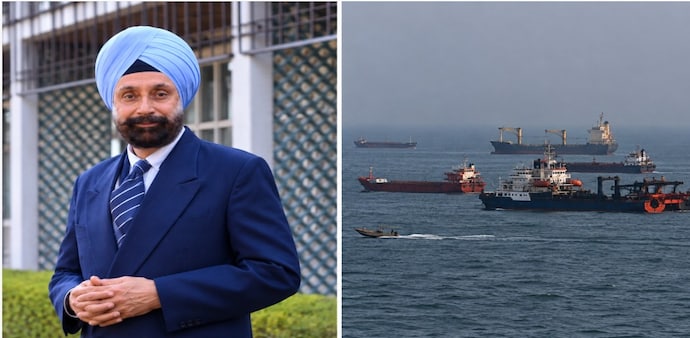
India’s dependence on imported crude oil, LNG and LPG makes Strait of Hormuz disruptions a key energy-security concern, former US Ambassador Navtej Sarna said. He stressed the need to diversify energy sources and strengthen domestic capabilities amid rising geopolitical risks.
- Oct 1, 2026,
- Updated Oct 1, 2026 5:30 AM IST
Disruptions around the Strait of Hormuz and other maritime choke points are putting India’s energy security in sharper focus, with the country’s dependence on imported crude oil, LNG and LPG emerging as a key vulnerability, former Ambassador to the US Navtej Sarna said.
Speaking at the Morningstar Investment Conference India 2026 in Mumbai, Sarna said India’s ability to navigate an increasingly fragmented global order would depend not only on its relationships with major powers but also on its capacity to build greater resilience in energy, defence, technology and domestic production.
Sarna highlighted India’s reliance on imports across crude oil, liquefied natural gas (LNG) and liquefied petroleum gas (LPG). He also pointed out that parts of India’s renewable-energy ecosystem remain dependent on imports from China, including silicon wafers.
The dependence makes security of energy routes increasingly important, particularly when disruptions occur around strategically important maritime corridors.
MUST READ: Middle East crisis puts India’s energy security and resilience in focus: S&P Global
The Strait of Hormuz is among the choke points that have brought these risks into focus. Sarna said disruptions around Hormuz and other maritime routes underline the need for India to strengthen the resilience of its energy supply.
“Unless we can manage to find new sources, energy is going to be a restraint on everything that we try to do,” Sarna said, emphasising the need to diversify energy sources and strengthen domestic capabilities.
Strategic autonomy becomes more important
Sarna linked energy security to the broader question of strategic autonomy as global economic and geopolitical relationships become more fragmented.
He said the international environment is shifting from a relatively predictable order towards one marked by conflict, rivalry and competition. Tariffs, sanctions and supply-chain disruptions are also becoming increasingly consequential for economies and investors.
For India, he said, strategic autonomy means building relationships with different powers while keeping national interests at the centre.
ALSO READ: Festive season ahead: Govt urges edible-oil processors to cut retail prices after duty cuts
Supply-chain diversification key
Sarna also cautioned against viewing India as the sole beneficiary of the global China-plus-one strategy. While India has gained from supply-chain diversification, countries in Southeast Asia and Mexico are also competing for manufacturing and investment opportunities.
At the same time, several Indian inputs continue to originate from China. Sarna said India needs to diversify these supply chains and increase domestic production, warning that without stronger local capabilities, the country’s manufacturing capacity could eventually face a ceiling.
The former diplomat also pointed to defence as another area where India is transitioning towards greater domestic capability. While defence sourcing has diversified beyond Russia towards the US, Israel and France, he said technology sharing, foreign investment and international partnerships will remain important.
For investors, Sarna’s broader message was to look beyond immediate geopolitical headlines and assess how these structural shifts could reshape industries, supply chains and capital allocation.
Disruptions around the Strait of Hormuz and other maritime choke points are putting India’s energy security in sharper focus, with the country’s dependence on imported crude oil, LNG and LPG emerging as a key vulnerability, former Ambassador to the US Navtej Sarna said.
Speaking at the Morningstar Investment Conference India 2026 in Mumbai, Sarna said India’s ability to navigate an increasingly fragmented global order would depend not only on its relationships with major powers but also on its capacity to build greater resilience in energy, defence, technology and domestic production.
Sarna highlighted India’s reliance on imports across crude oil, liquefied natural gas (LNG) and liquefied petroleum gas (LPG). He also pointed out that parts of India’s renewable-energy ecosystem remain dependent on imports from China, including silicon wafers.
The dependence makes security of energy routes increasingly important, particularly when disruptions occur around strategically important maritime corridors.
MUST READ: Middle East crisis puts India’s energy security and resilience in focus: S&P Global
The Strait of Hormuz is among the choke points that have brought these risks into focus. Sarna said disruptions around Hormuz and other maritime routes underline the need for India to strengthen the resilience of its energy supply.
“Unless we can manage to find new sources, energy is going to be a restraint on everything that we try to do,” Sarna said, emphasising the need to diversify energy sources and strengthen domestic capabilities.
Strategic autonomy becomes more important
Sarna linked energy security to the broader question of strategic autonomy as global economic and geopolitical relationships become more fragmented.
He said the international environment is shifting from a relatively predictable order towards one marked by conflict, rivalry and competition. Tariffs, sanctions and supply-chain disruptions are also becoming increasingly consequential for economies and investors.
For India, he said, strategic autonomy means building relationships with different powers while keeping national interests at the centre.
ALSO READ: Festive season ahead: Govt urges edible-oil processors to cut retail prices after duty cuts
Supply-chain diversification key
Sarna also cautioned against viewing India as the sole beneficiary of the global China-plus-one strategy. While India has gained from supply-chain diversification, countries in Southeast Asia and Mexico are also competing for manufacturing and investment opportunities.
At the same time, several Indian inputs continue to originate from China. Sarna said India needs to diversify these supply chains and increase domestic production, warning that without stronger local capabilities, the country’s manufacturing capacity could eventually face a ceiling.
The former diplomat also pointed to defence as another area where India is transitioning towards greater domestic capability. While defence sourcing has diversified beyond Russia towards the US, Israel and France, he said technology sharing, foreign investment and international partnerships will remain important.
For investors, Sarna’s broader message was to look beyond immediate geopolitical headlines and assess how these structural shifts could reshape industries, supply chains and capital allocation.