
UPI MDR impact on small merchants: Retailers flag cost concerns ahead of festive season
The government has introduced a 0.4 per cent MDR on UPI transactions above ₹2,000 made to merchants, effective October 15
- Sep 16, 2026,
- Updated Sep 16, 2026 5:20 PM IST
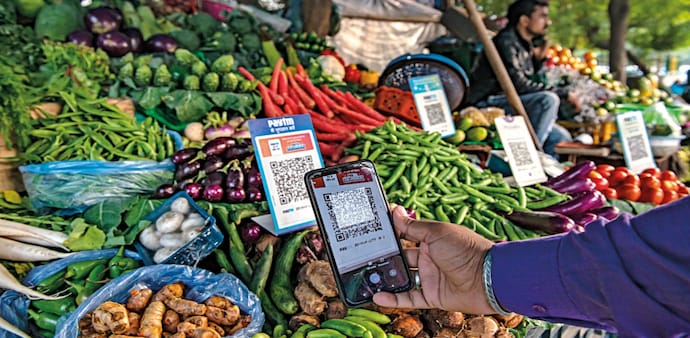
The introduction of a Merchant Discount Rate (MDR) on high-value UPI transactions could prompt some small retailers to shift back towards cash payments, industry bodies have warned ahead of the festive season.
The Retailers Association of India (RAI) said the move could put additional pressure on merchants operating on thin margins and potentially reverse some of the gains made in digital payment adoption, reported by news agency PTI.
The government has introduced a 0.4 per cent MDR on UPI transactions above ₹2,000 made to merchants, effective October 15. The charge will be capped at ₹300 for transactions of ₹75,000 and above. Everyday person-to-person UPI payments and small-value transactions remain outside the new charge.
RAI said the cost would ultimately be borne by merchants, many of whom have limited margins. “For MSME retailers already running on thin margins, the burden creates a straightforward incentive to steer transactions back toward cash.”
“Small merchants will now think twice about whether to accept cash or UPI. This could undo years of progress in digital payment adoption among India's smallest retailers, just as the festive season gets underway,” said Kumar Rajagopalan, RAI CEO, as quoted by PTI.
READ THIS: '96% transactions will not be affected,' says former Infosys CFO Mohandas Pai on UPI MDR
Retailers flag impact on formalisation
The association also raised concerns that a shift from digital payments to cash could affect the government's broader formalisation efforts. RAI argued that transactions conducted through UPI create a traceable digital record and contribute to formal economic activity.
Rajagopalan added, “This cuts against the government's own formalisation agenda. UPI acceptance should be incentivised, not taxed. The state gets a formal, traceable transaction it can tax out of every UPI payment.”
RAI also questioned the rationale for applying MDR to bank-to-bank UPI transactions linked directly to savings or current accounts. The association argued that such transactions differ from credit-linked payments, where costs and risks associated with credit facilities may justify a fee.
“We do not see the case for charging a bank-to-bank UPI payment the way you'd charge for credit. Where UPI is linked to a credit line, a fee is easier to defend, because the cost structure genuinely resembles a credit product,” told Rajagopalan.
RAI seeks government support for UPI costs
RAI has argued that the cost of maintaining the UPI infrastructure should not be placed on merchants, particularly smaller retailers. It said the government should consider underwriting the cost because UPI transactions generate a formal and traceable payment trail.
“NPCI keeps UPI running for the entire country; RBI or the government should be underwriting that cost, not merchants. The state gets a formal, traceable transaction it can tax out of every UPI payment,” according to the RAI CEO.
The association said it plans to raise the matter with the National Payments Corporation of India (NPCI) and the Ministry of Finance. It is seeking a graded MDR structure that differentiates between debit-linked and credit-linked UPI transactions, along with incentives for small retailers.
Clothing industry raises festive season concerns
The Clothing Manufacturers Association of India (CMAI) also expressed concerns about the timing of the MDR rollout, saying it comes when retailers are preparing for the crucial festive sales period.
Santosh Katariya, CMAI President, told PTI, “Introducing MDR on UPI at the start of the festive season could not have come at a more challenging time for the industry. This period is critical for merchants, retailers and consumer-facing businesses, many of whom are already working hard to revive demand and improve margins.”
Katariya added that UPI has played an important role in enabling consumption and formalisation, and argued that any increase in the cost of accepting digital payments should be carefully calibrated during the festive season.
The introduction of a Merchant Discount Rate (MDR) on high-value UPI transactions could prompt some small retailers to shift back towards cash payments, industry bodies have warned ahead of the festive season.
The Retailers Association of India (RAI) said the move could put additional pressure on merchants operating on thin margins and potentially reverse some of the gains made in digital payment adoption, reported by news agency PTI.
The government has introduced a 0.4 per cent MDR on UPI transactions above ₹2,000 made to merchants, effective October 15. The charge will be capped at ₹300 for transactions of ₹75,000 and above. Everyday person-to-person UPI payments and small-value transactions remain outside the new charge.
RAI said the cost would ultimately be borne by merchants, many of whom have limited margins. “For MSME retailers already running on thin margins, the burden creates a straightforward incentive to steer transactions back toward cash.”
“Small merchants will now think twice about whether to accept cash or UPI. This could undo years of progress in digital payment adoption among India's smallest retailers, just as the festive season gets underway,” said Kumar Rajagopalan, RAI CEO, as quoted by PTI.
READ THIS: '96% transactions will not be affected,' says former Infosys CFO Mohandas Pai on UPI MDR
Retailers flag impact on formalisation
The association also raised concerns that a shift from digital payments to cash could affect the government's broader formalisation efforts. RAI argued that transactions conducted through UPI create a traceable digital record and contribute to formal economic activity.
Rajagopalan added, “This cuts against the government's own formalisation agenda. UPI acceptance should be incentivised, not taxed. The state gets a formal, traceable transaction it can tax out of every UPI payment.”
RAI also questioned the rationale for applying MDR to bank-to-bank UPI transactions linked directly to savings or current accounts. The association argued that such transactions differ from credit-linked payments, where costs and risks associated with credit facilities may justify a fee.
“We do not see the case for charging a bank-to-bank UPI payment the way you'd charge for credit. Where UPI is linked to a credit line, a fee is easier to defend, because the cost structure genuinely resembles a credit product,” told Rajagopalan.
RAI seeks government support for UPI costs
RAI has argued that the cost of maintaining the UPI infrastructure should not be placed on merchants, particularly smaller retailers. It said the government should consider underwriting the cost because UPI transactions generate a formal and traceable payment trail.
“NPCI keeps UPI running for the entire country; RBI or the government should be underwriting that cost, not merchants. The state gets a formal, traceable transaction it can tax out of every UPI payment,” according to the RAI CEO.
The association said it plans to raise the matter with the National Payments Corporation of India (NPCI) and the Ministry of Finance. It is seeking a graded MDR structure that differentiates between debit-linked and credit-linked UPI transactions, along with incentives for small retailers.
Clothing industry raises festive season concerns
The Clothing Manufacturers Association of India (CMAI) also expressed concerns about the timing of the MDR rollout, saying it comes when retailers are preparing for the crucial festive sales period.
Santosh Katariya, CMAI President, told PTI, “Introducing MDR on UPI at the start of the festive season could not have come at a more challenging time for the industry. This period is critical for merchants, retailers and consumer-facing businesses, many of whom are already working hard to revive demand and improve margins.”
Katariya added that UPI has played an important role in enabling consumption and formalisation, and argued that any increase in the cost of accepting digital payments should be carefully calibrated during the festive season.