
10W-30 on your engine oil bottle: The tiny code every bike owner should understand
What does 10W-30 mean on your bike’s engine oil bottle? Decode viscosity grades, the ‘W’, oil thickness and why your owner’s manual matters when choosing oil.
- Aug 18, 2026,
- Updated Aug 18, 2026 6:30 AM IST

- 1/6
Mileage culprit
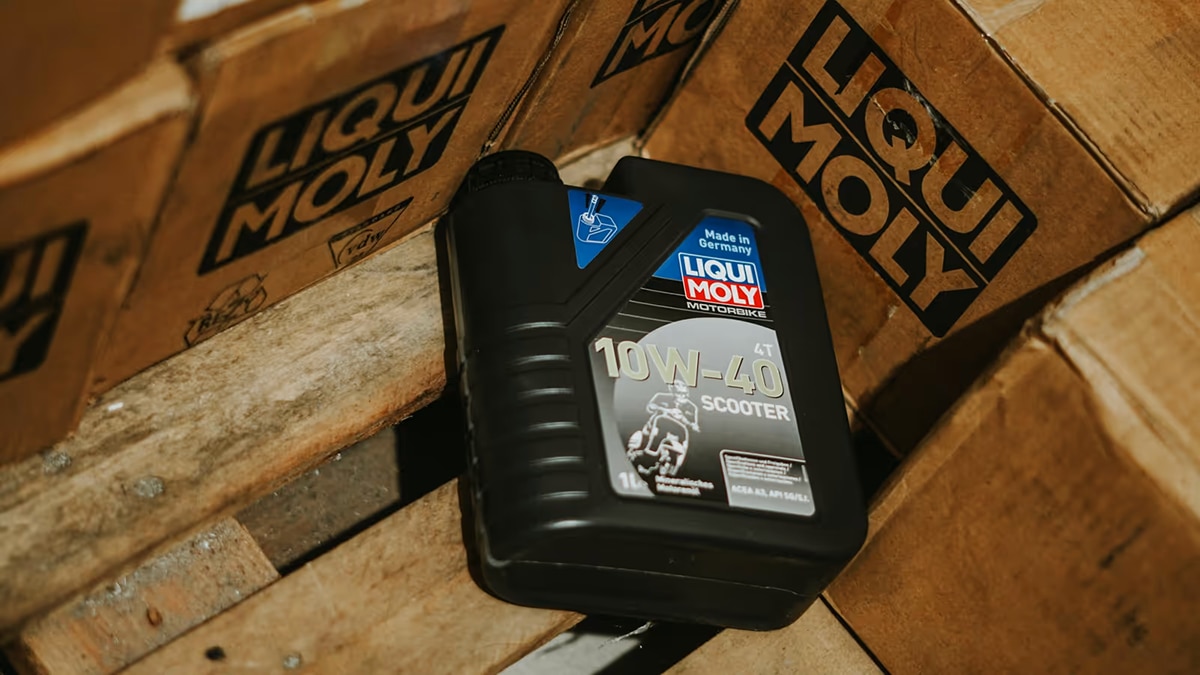
Falling mileage may have you checking petrol quality, tyre pressure or riding habits, but something less obvious is constantly moving inside the engine. Using the wrong engine oil can affect friction, efficiency and performance, making that bottle far more important than many riders realise.
- 2/6
Number secret
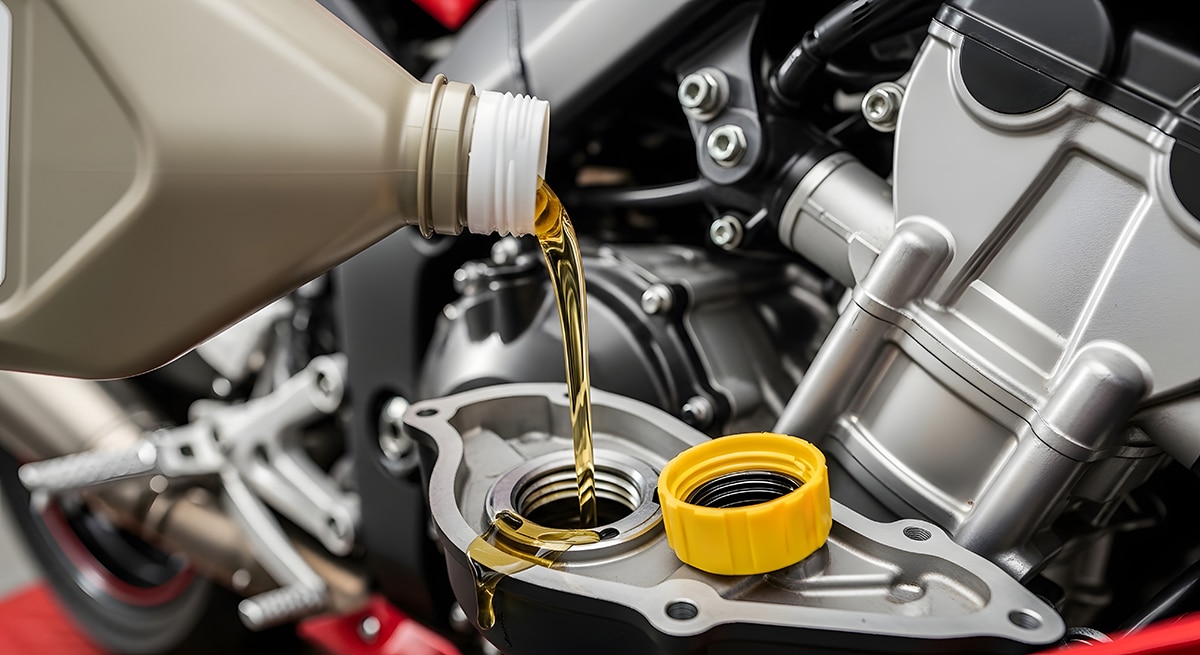
10W-30, 10W-40, 15W-50 — those numbers are not random codes designed for mechanics. They describe how engine oil behaves at different temperatures. Understanding them can help explain why two oils sitting next to each other on a shelf may behave very differently inside your bike.
- 3/6
Winter code
The “W” in 10W-30 actually stands for winter, while the number before it relates to the oil’s cold-temperature viscosity. A lower winter grade generally means better flow in colder conditions — an important detail when an engine is being started after sitting cold.

- 4/6
Heat test
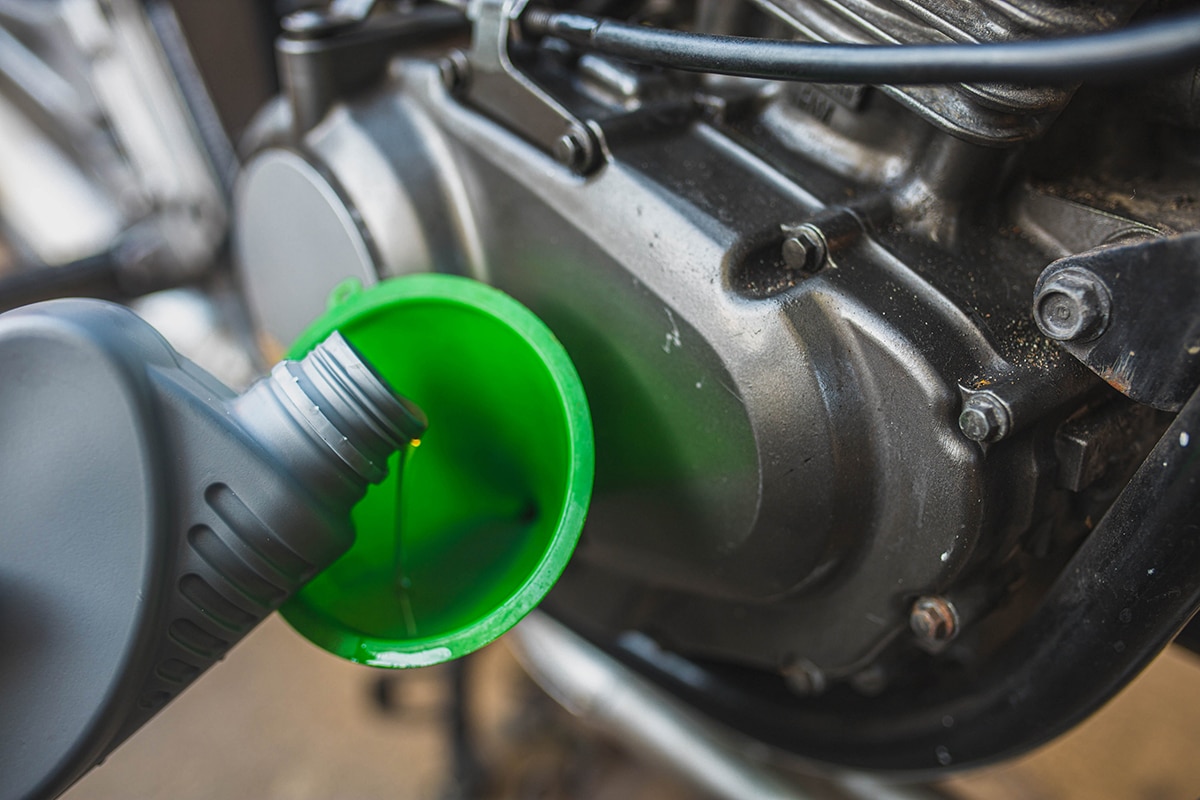
The second number tells another story. In 10W-30, “30” represents the oil’s viscosity grade at high operating temperature. Move to 40 or 50 and the oil falls into a higher high-temperature viscosity grade — but thicker does not automatically mean better for your motorcycle.
- 5/6
Brand trap
A premium brand name on the bottle cannot tell you whether that oil belongs in your engine. The motorcycle manufacturer’s recommended viscosity and API/JASO specifications matter more. Picking 15W-50 or 20W-40 simply because it sounds tougher could mean ignoring what your engine was actually designed to use.

- 6/6
Manual wins
Old bike, hot summer or a long highway ride — none is a licence to randomly jump to a thicker oil. The safest rule is surprisingly unexciting: follow the viscosity and API/JASO specifications in your owner’s manual and stick to the prescribed oil-change interval.