
5 stars in India, 4 in Japan: Suzuki eVitara's safety ratings reveal an unexpected twist
Suzuki eVitara scores 4 stars in Japan NCAP versus 5 stars in Bharat NCAP. Explore crash test results, ADAS performance, safety features, prices and why the ratings differ.
- Oct 22, 2026,
- Updated Oct 22, 2026 6:15 AM IST
- 1/5
Safety arsenal
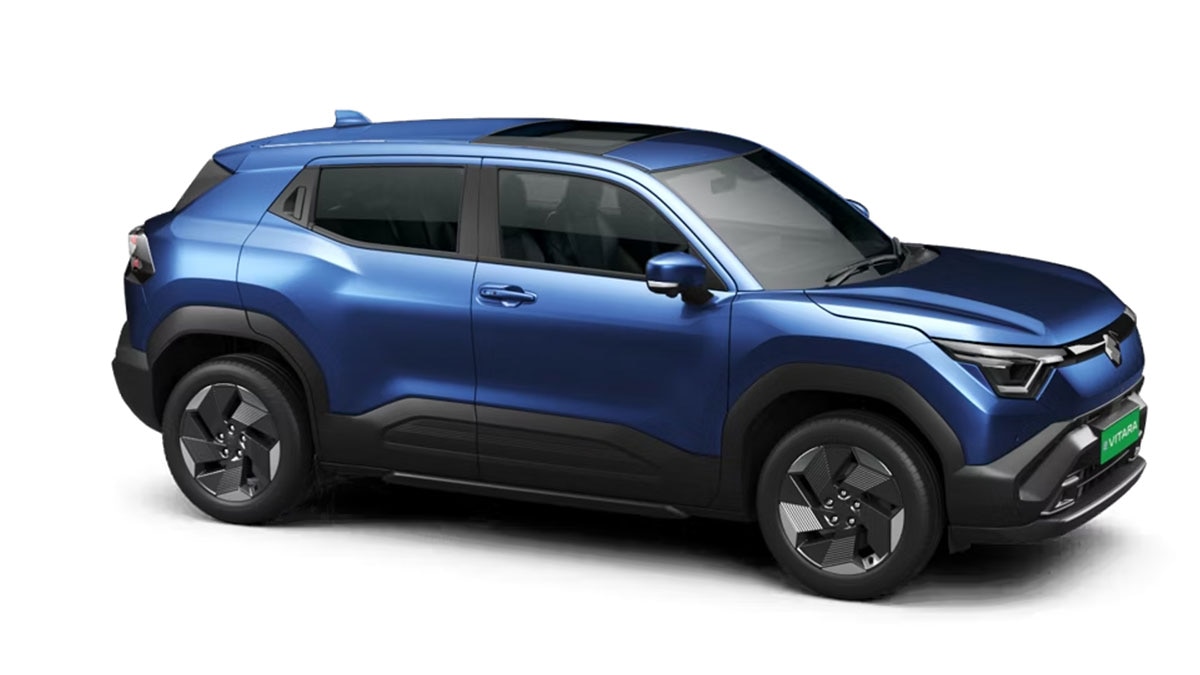
The India-spec Suzuki eVitara comes equipped with seven airbags, Level-2 ADAS, automatic emergency braking, lane-keeping assistance and adaptive cruise control. Buyers also get features such as electronic stability control, a 360-degree camera and an emergency SOS button. But the real question is how these features translate into protection when accidents happen.
- 2/5
Crash reality
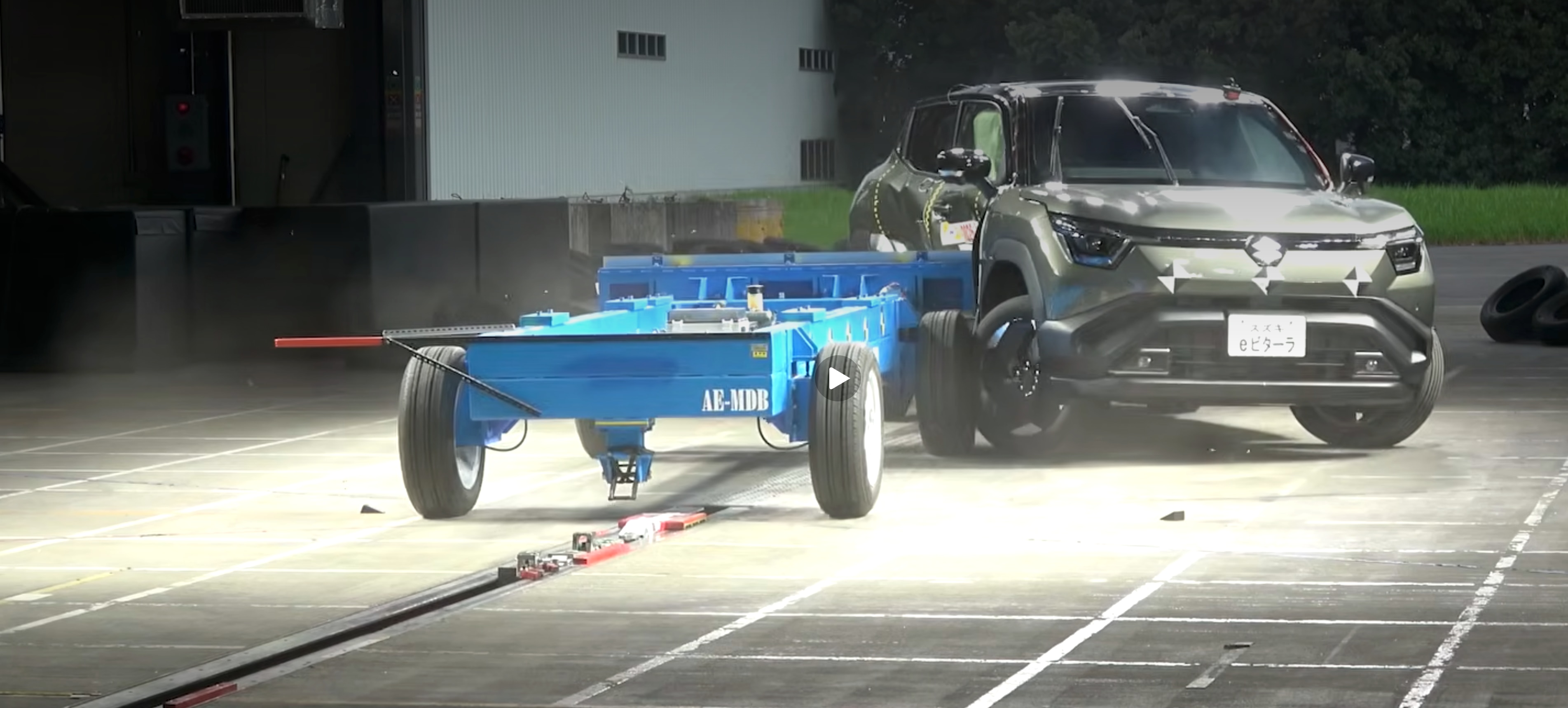
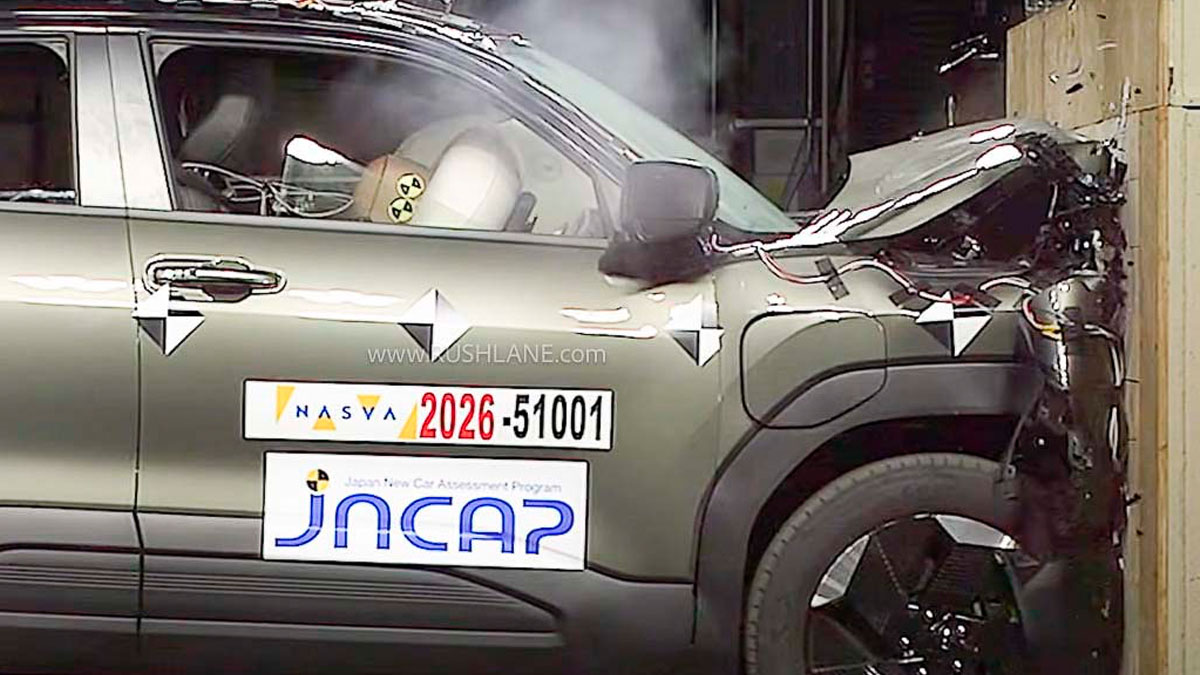
The Suzuki eVitara delivered mixed results in Japan's crash tests. It earned the highest Level 5 for driver protection in the full-width frontal impact test and side-impact protection. However, rear-seat passenger protection and offset frontal collision performance received Level 4. The findings offer a closer look at how the SUV protects occupants in different crashes.
- 3/5
Braking blindspot
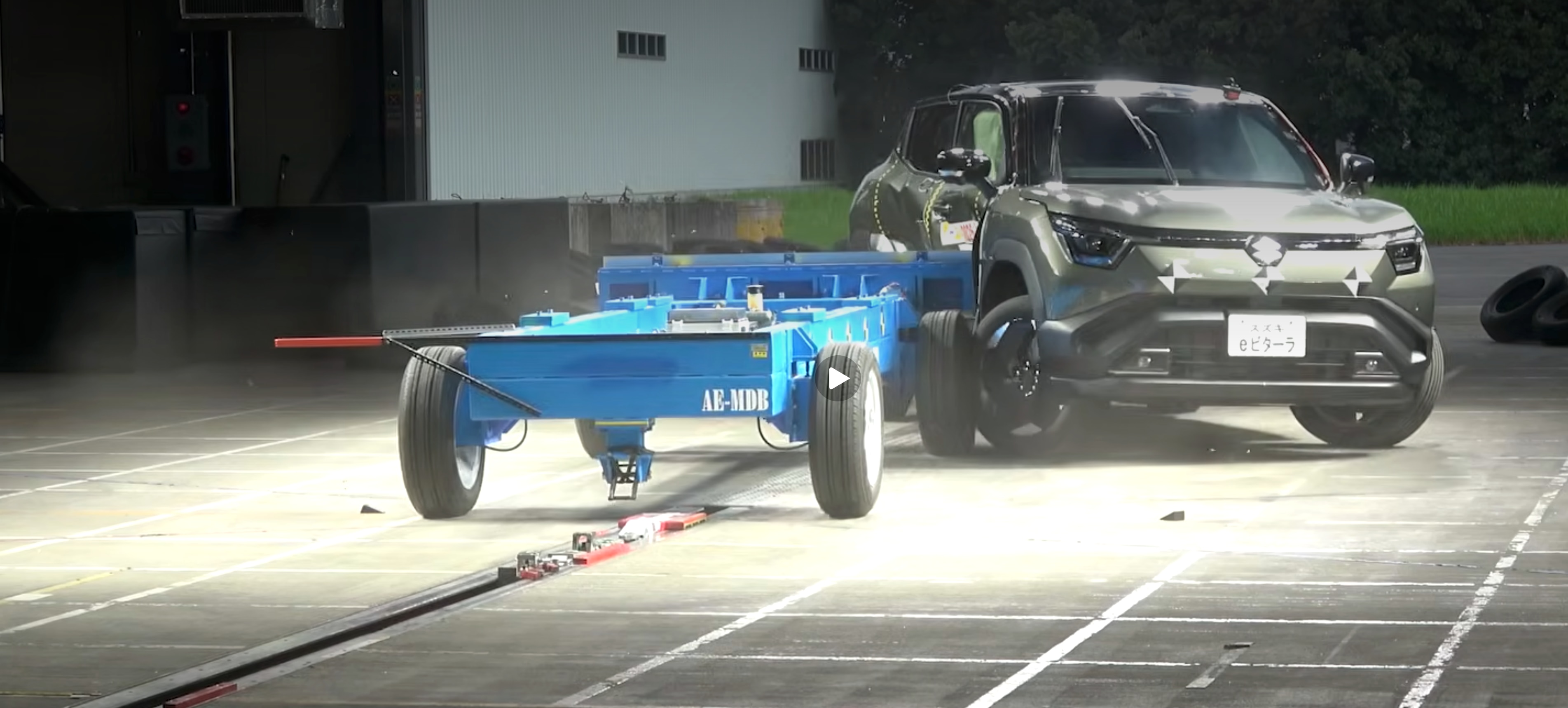
The eVitara impressed Japan NCAP with its automatic emergency braking technology, earning Level 5 in several pedestrian and cyclist detection tests. But complex intersections exposed weaker areas. Emergency braking for vehicles crossing at intersections received just Level 2, while a right-turn motorcycle scenario earned Level 3. Even advanced safety technology has its limitations.
- 4/5
Price puzzle
Starting at ₹16.19 lakh and going up to ₹20.21 lakh, the Suzuki eVitara offers two battery options: 49kWh and 61kWh. The company claims a maximum driving range of up to 543 km. With a 5-star Bharat NCAP rating and a different 4-star verdict in Japan, buyers have more than just range and price to consider before making a decision.
- 5/5
Safety surprise
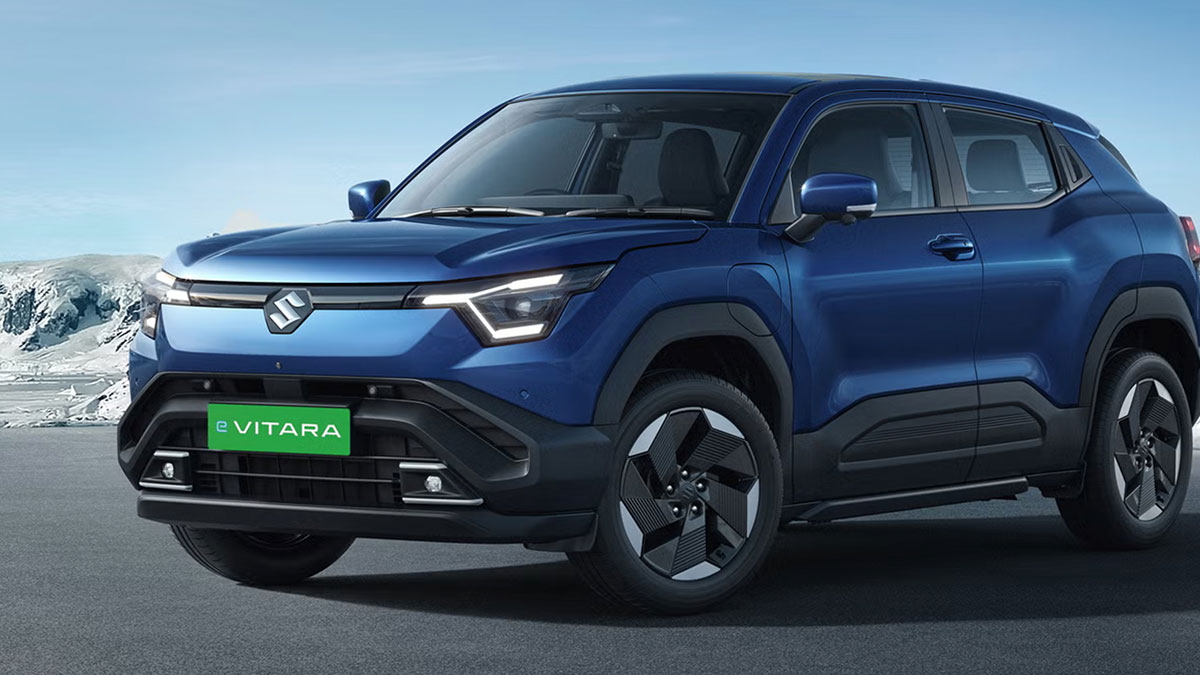
Made in India, but two different safety verdicts! The Suzuki eVitara has scored 4 stars in Japan NCAP's 2026 assessment, despite securing 5 stars under Bharat NCAP. The contrast could surprise Indian buyers, but there's an important catch: Japan and India follow different testing standards, so the results cannot be directly compared.