
Buying liquor above ₹1,000? Tamil Nadu's new payment rule starts November 1
Tamil Nadu makes digital payments mandatory for liquor purchases above ₹1,000 from November 1. Know TASMAC's new UPI, card payment, billing rules and steps to prevent overcharging.
- Oct 27, 2026,
- Updated Oct 27, 2026 4:28 PM IST
- 1/4
Cash crackdown
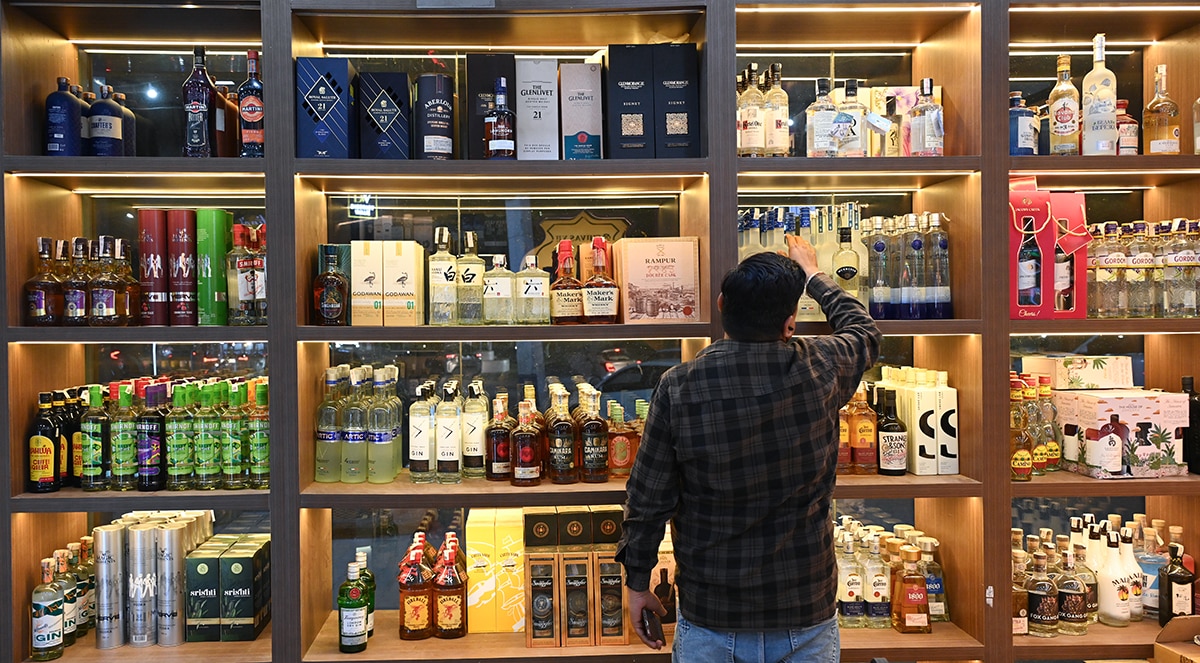
Buying liquor worth more than ₹1,000 in Tamil Nadu? Your cash won't work from November 1! State-owned TASMAC has made digital payments mandatory for purchases exceeding ₹1,000 across its 4,048 retail liquor outlets. Customers will have to use UPI, debit cards or credit cards for these transactions. But there's a catch: cash payments aren't disappearing entirely, and smaller purchases will still have a choice. (Representative images)
- 2/4
Overcharging trap
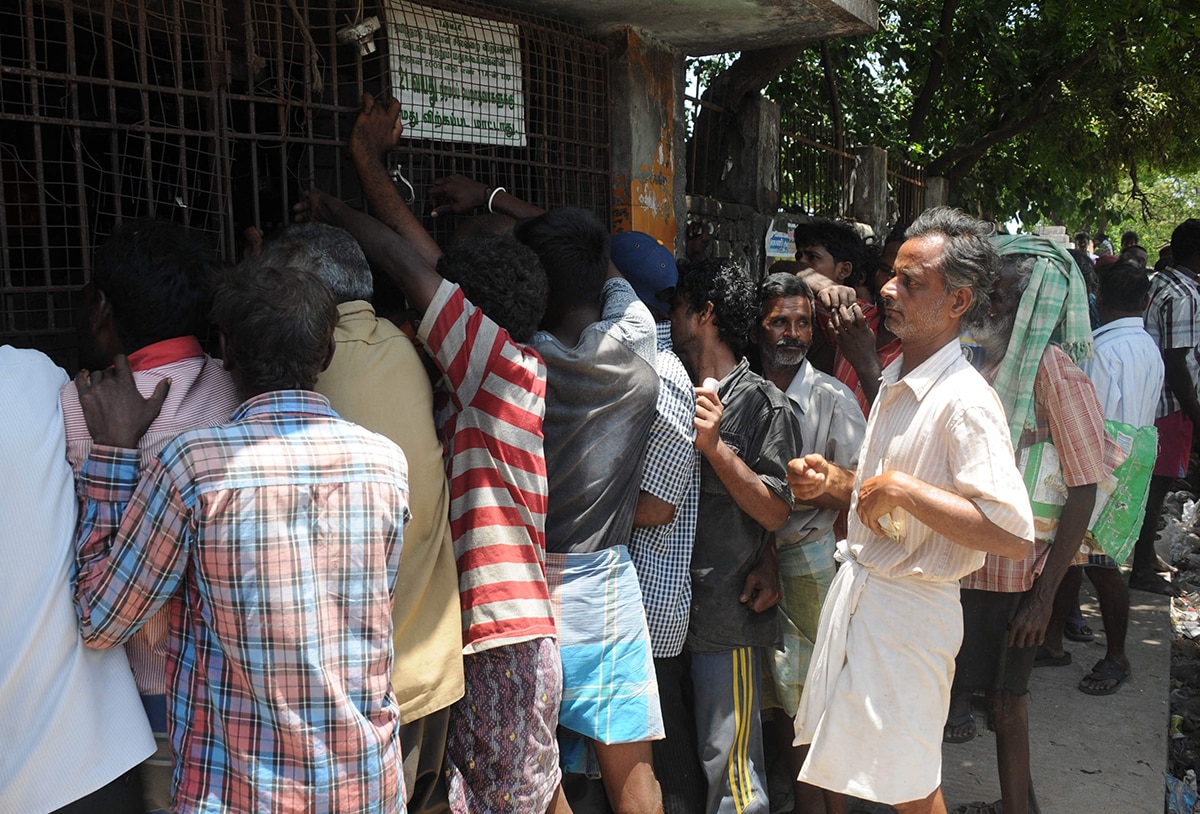
Ever paid more than the printed price for a liquor bottle? TASMAC wants to put an end to that practice! Following repeated complaints about overcharging above the Maximum Retail Price (MRP), the corporation is tightening payment rules. Digital transactions will record the exact amount and time of every sale, making it easier to track discrepancies. Could this finally make overcharging harder at liquor counters?
- 3/4
QR crackdown
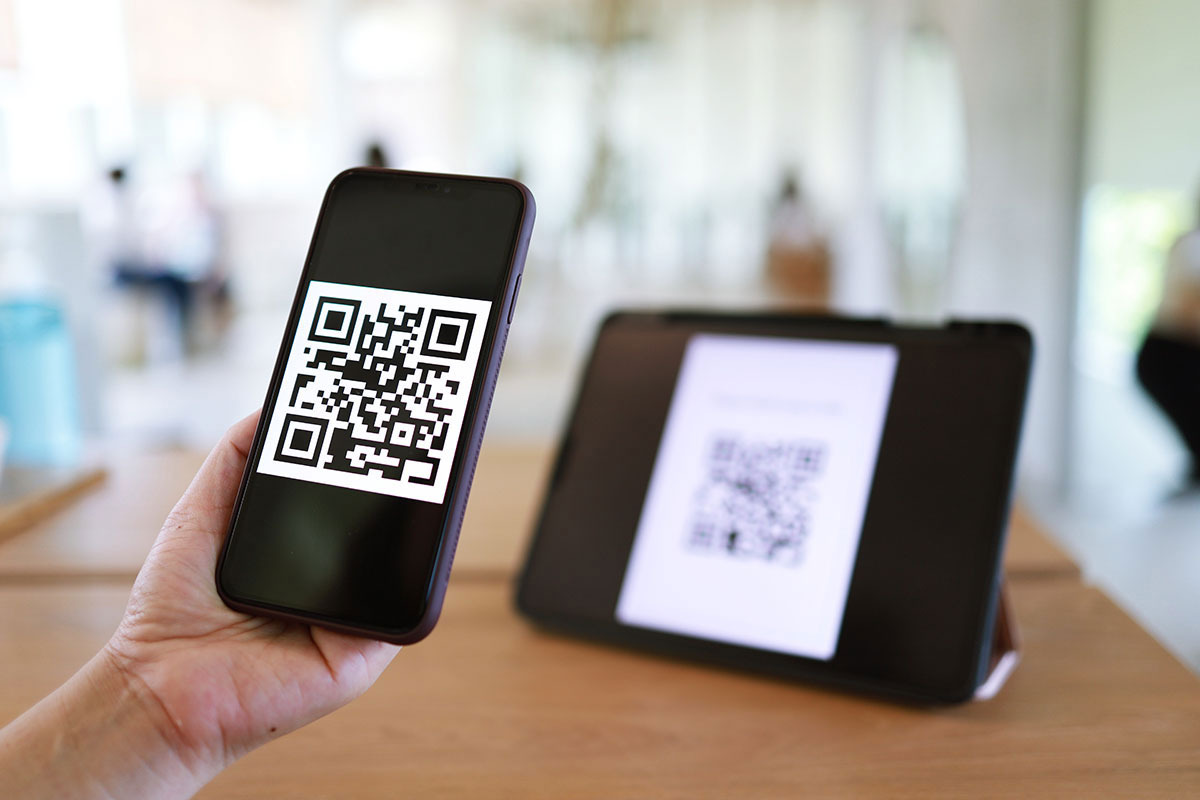
Think any QR code at a liquor shop will do? Not anymore! TASMAC has strictly prohibited employees from collecting payments through personal QR codes or individual bank accounts. All digital payments must go through official systems, with sales revenue credited directly to authorised accounts. Employees violating the rules could face severe disciplinary action. The move also aims to tackle cash-handling risks and accounting discrepancies.
- 4/4
Billing shakeup
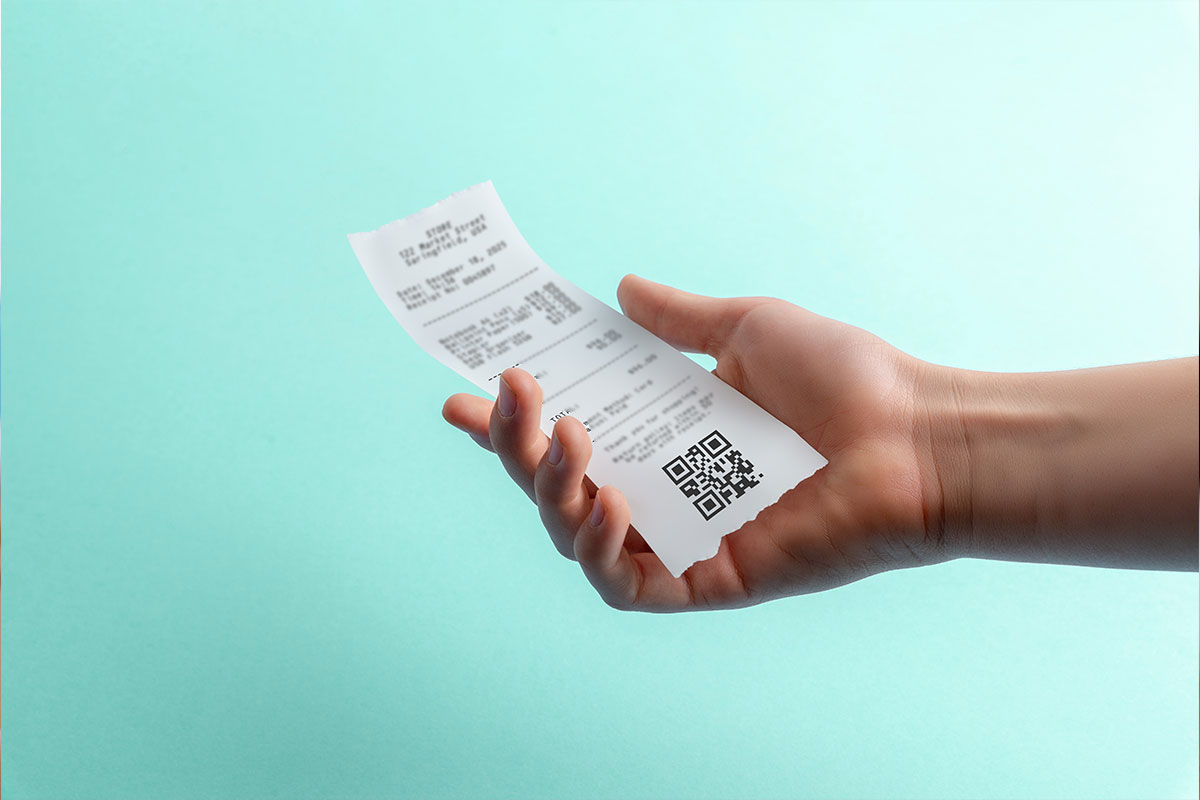
No verified payment, no liquor bottle! Under TASMAC's new rules, shop supervisors must issue physical bills for every purchase and verify digital transactions through official POS machines before handing over bottles. All 4,048 outlets will display notices explaining the changes, while district managers will monitor payment systems and network connectivity. The rollout begins November 1, but will every outlet be ready?