
Delhi Metro beats global giants: The 59-second rule behind its stunning punctuality record
Delhi Metro clocks 99.95% punctuality under its strict 59-second delay rule, ranking among the world’s most reliable systems as its network and ridership surge.
- Aug 11, 2026,
- Updated Aug 11, 2026 11:13 AM IST
- 1/6
Global benchmark
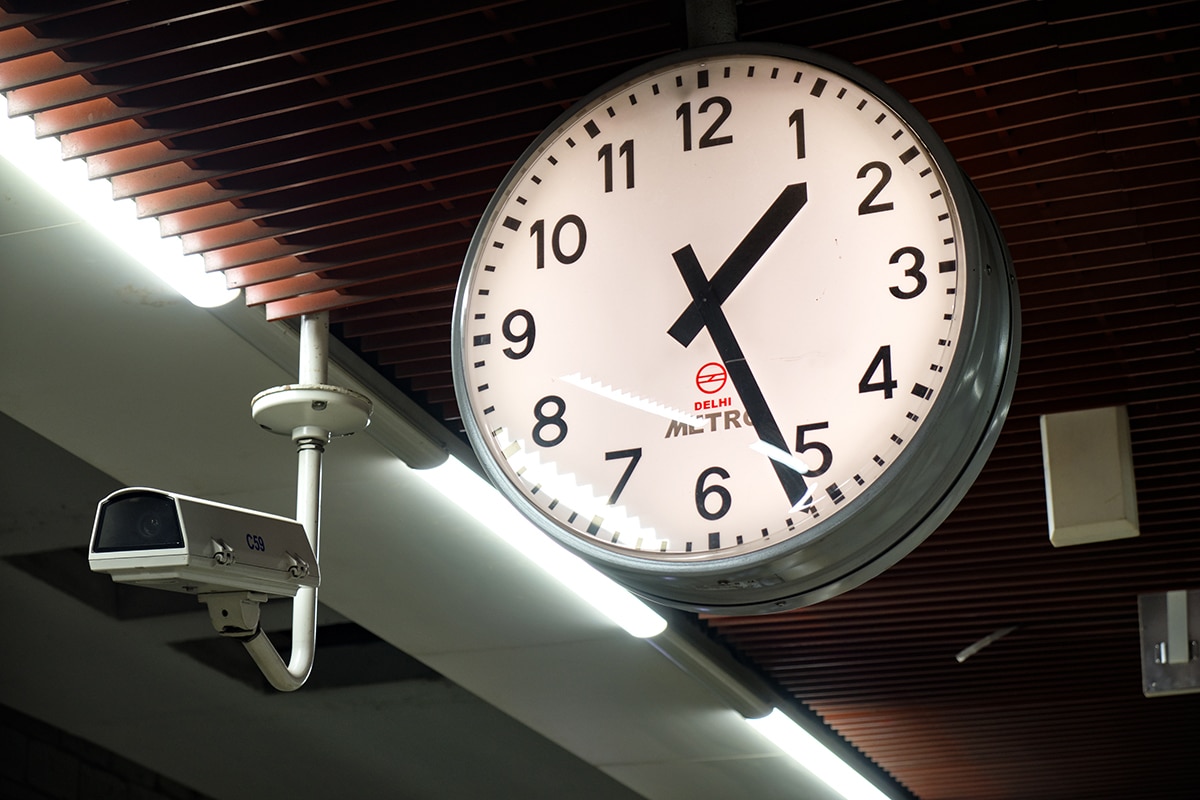
Delhi Metro is measuring punctuality by the second, not by generous delay windows. DMRC counts a train as delayed if it reaches its destination more than 59 seconds late — a demanding benchmark under which it says punctuality still stood at 99.95% in 2026.
- 2/6
Delhi defies
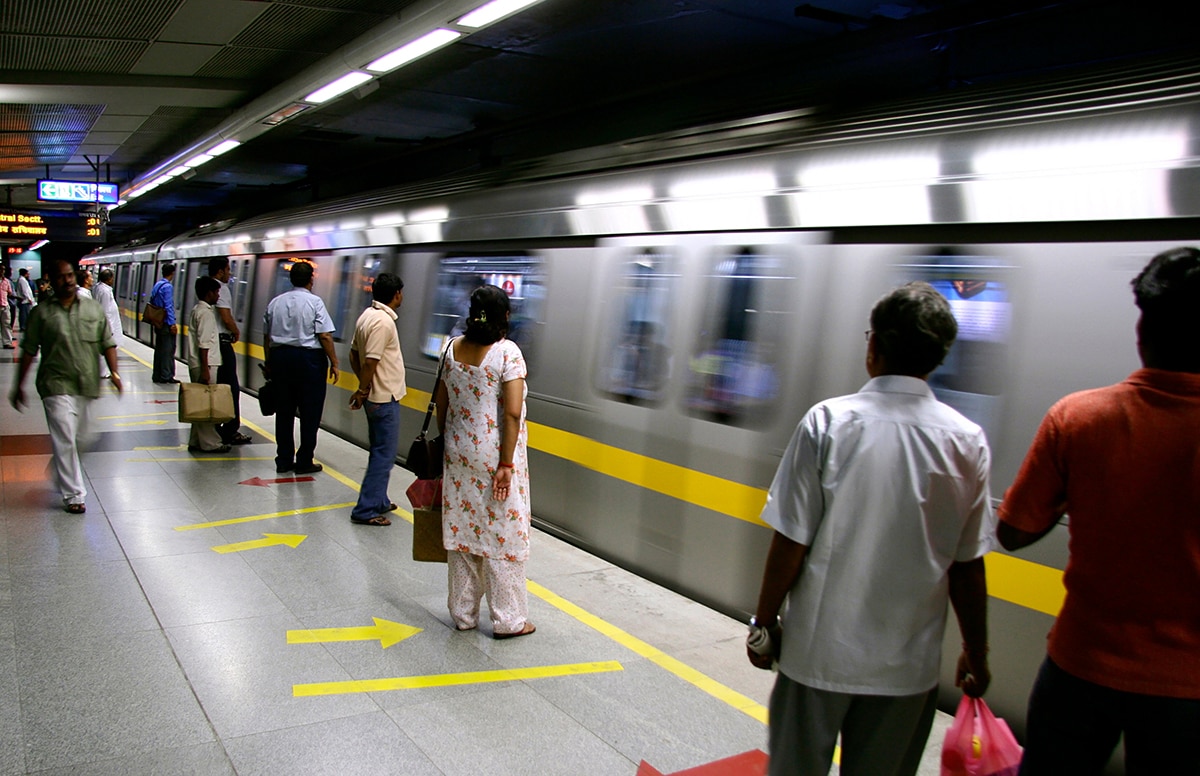
Metro networks typically become harder to manage as tracks, trains and maintenance demands multiply. DMRC says Delhi has bucked that trend: over 23 years, its network has expanded dramatically while train punctuality has remained around the 99.9% mark year after year.
- 3/6
Failure gap
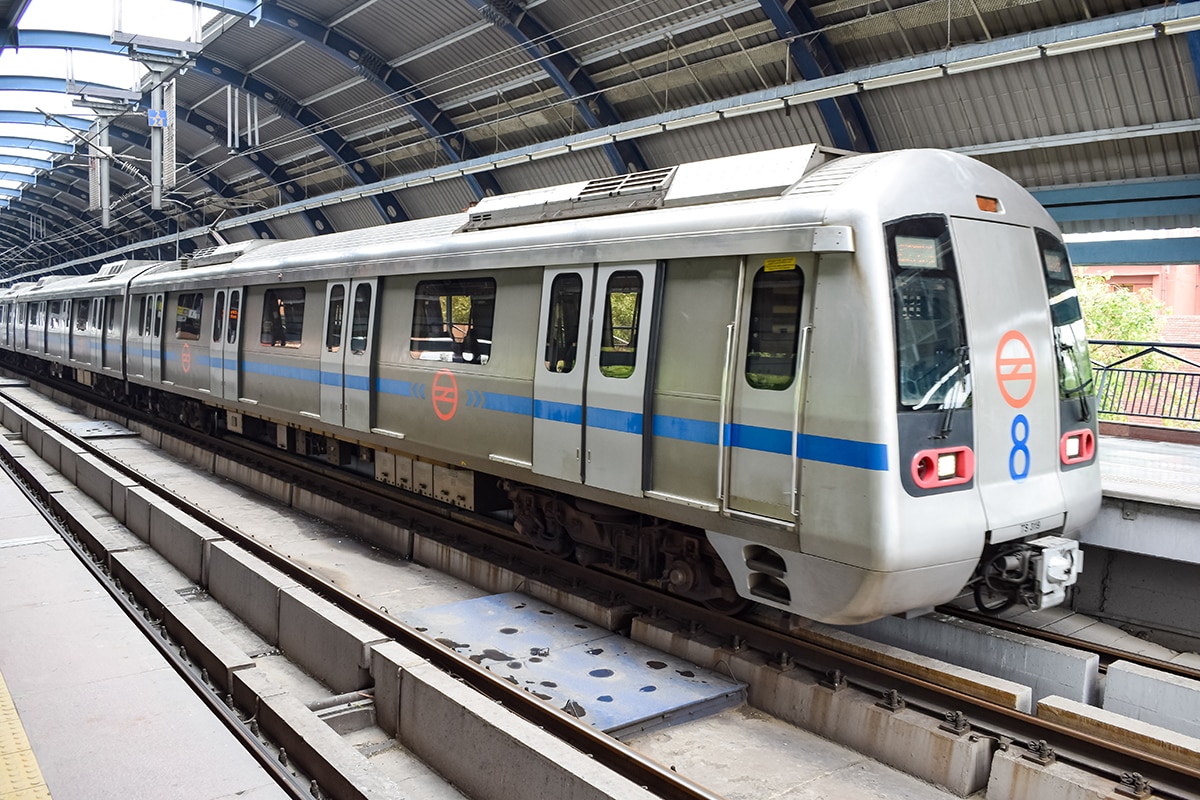
Reliability goes beyond trains arriving on time. DMRC says its Mean Distance Between Failures has reached 2.72 million car-kilometres, while international benchmarking by COMET has consistently placed Delhi among the world's top five metro systems for reliability.
- 4/6
Driverless giant
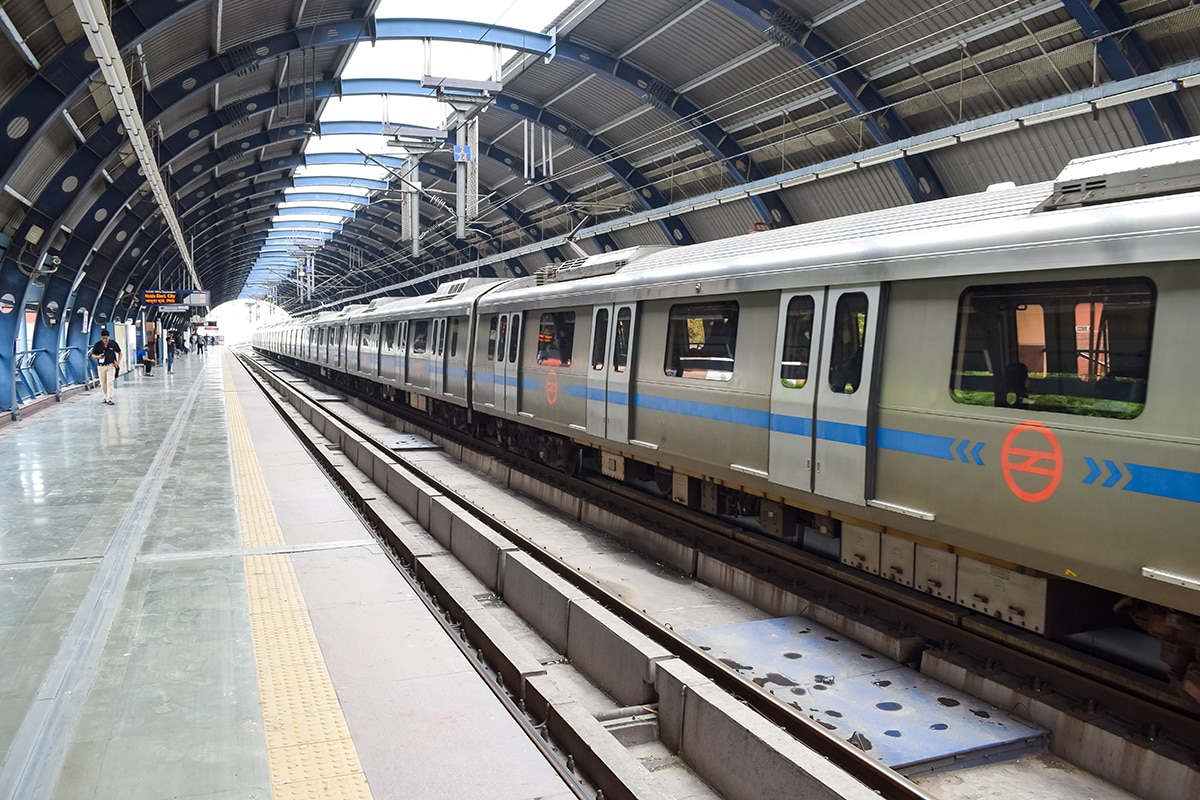
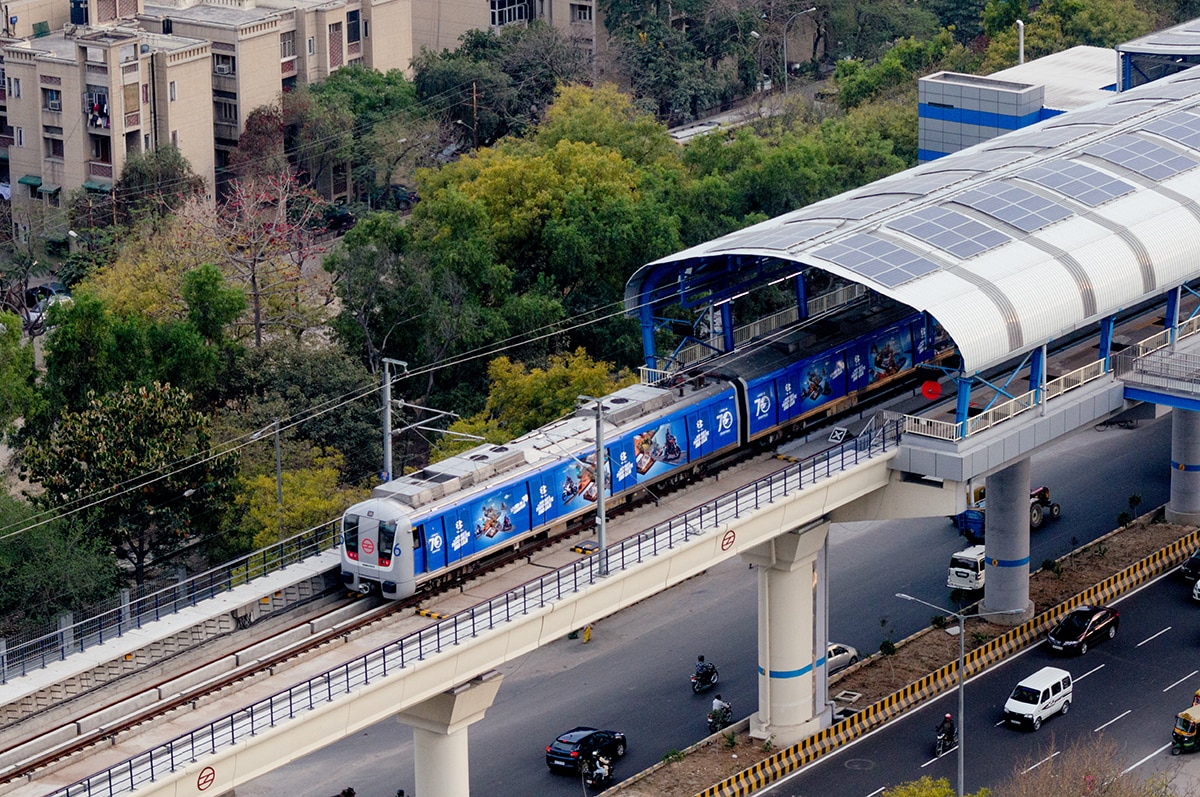
Nearly 29% of Delhi Metro's network now operates under Unattended Train Operation. Its 71.55-km Line 7, with 45 stations, is described by DMRC as the world's longest driverless metro line — turning automation into a major part of Delhi's daily commute.
- 5/6
Two minutes
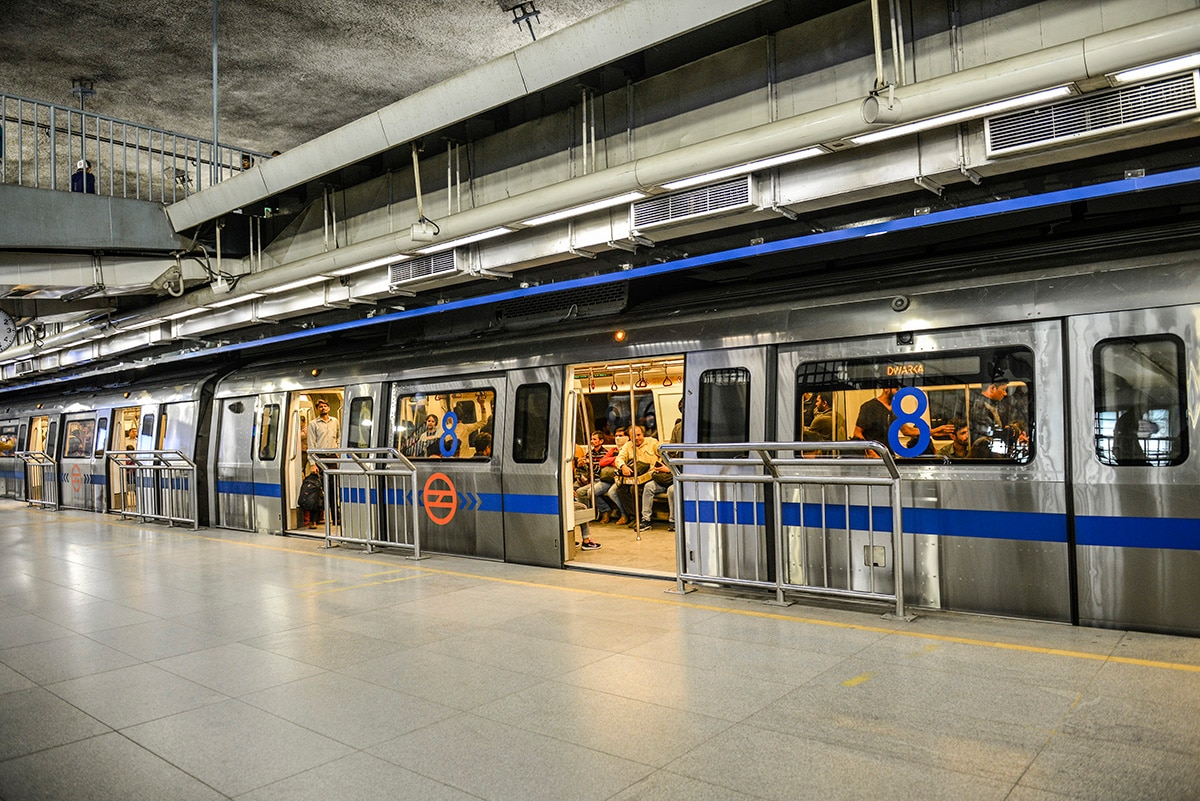
Seven-minute waits were once part of Delhi Metro's early years. On its busiest corridors, train headway has now fallen to just 2 minutes and 18 seconds, showing how dramatically frequencies have tightened as millions more passengers have poured into the system.
- 6/6
Massive leap
Delhi Metro began in 2002 with an 8.4-km stretch and six stations. Today, DMRC says the network spans 416.5 km and 303 stations, while average daily ridership has reached 64.06 lakh journeys — a transformation accomplished in just over two decades.