
Dreaming of the cockpit? Here’s what it really takes to become a pilot in India
Aspirants dreaming of becoming commercial pilots in India need the right subjects, medical fitness, around 200 flight hours and up to ₹70 lakh for training.
- Sep 5, 2026,
- Updated Sep 5, 2026 6:30 AM IST
- 1/6
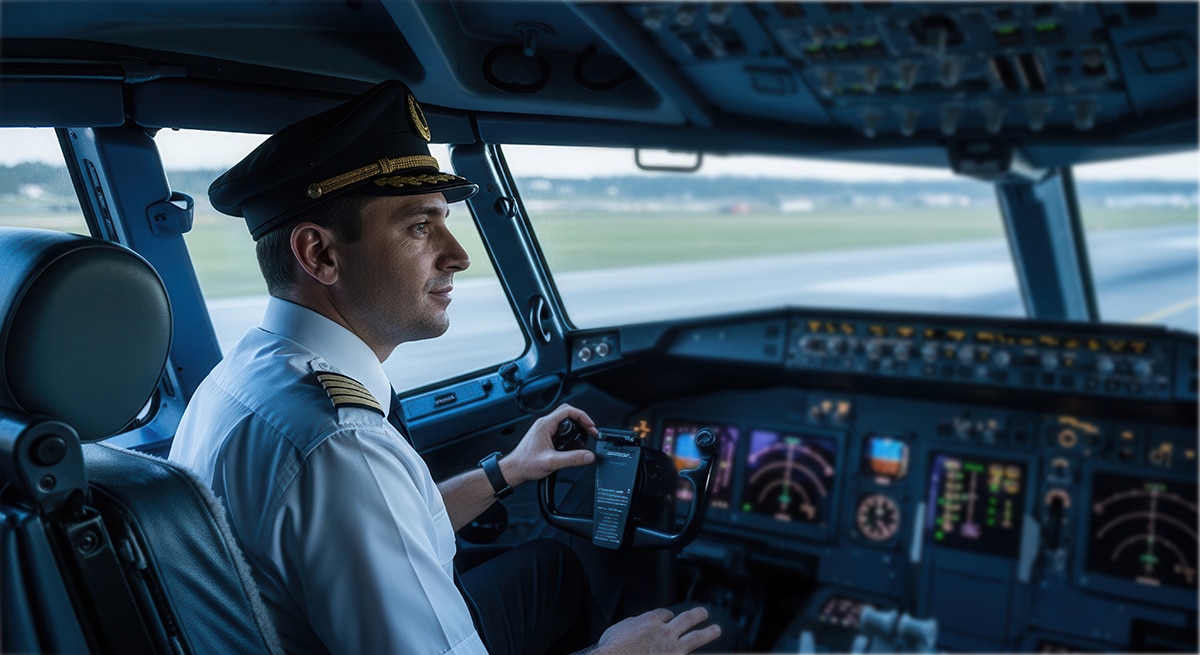
Sky Dream
Becoming a commercial pilot may sound like a dream career, but the path starts much earlier than the cockpit. For aspiring pilots in India, the first hurdles include the right Class 12 subjects, academic eligibility, medical fitness and a commitment to intensive training.

- 2/6
Science Gate
Physics, Mathematics and English can determine whether an aspiring pilot gets through the first academic checkpoint. Students who did not study science in school are not necessarily out of the race, as they can pursue Physics and Mathematics later to meet the requirements.

- 3/6
Medical Filter
Aviation careers come with a health check that cannot simply be skipped. Eyesight, hearing and overall physical and mental fitness are assessed before training, making the medical examination one of the crucial early steps for anyone planning a career in the cockpit.
- 4/6
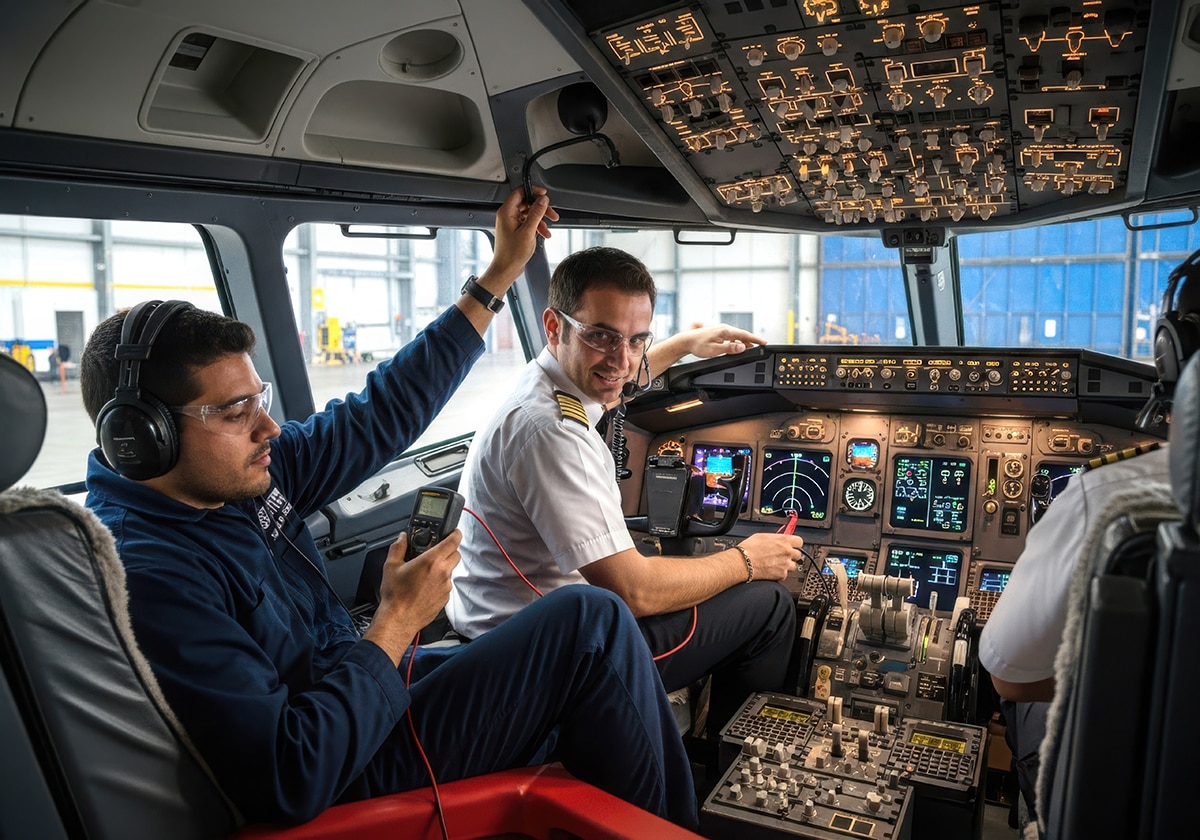
200 Hours
The classroom is only one part of pilot training. Candidates working towards a Commercial Pilot License need extensive practical flying experience, with around 200 flight hours covering solo flying, instrument flying, night operations and multi-engine training before they can qualify.
- 5/6
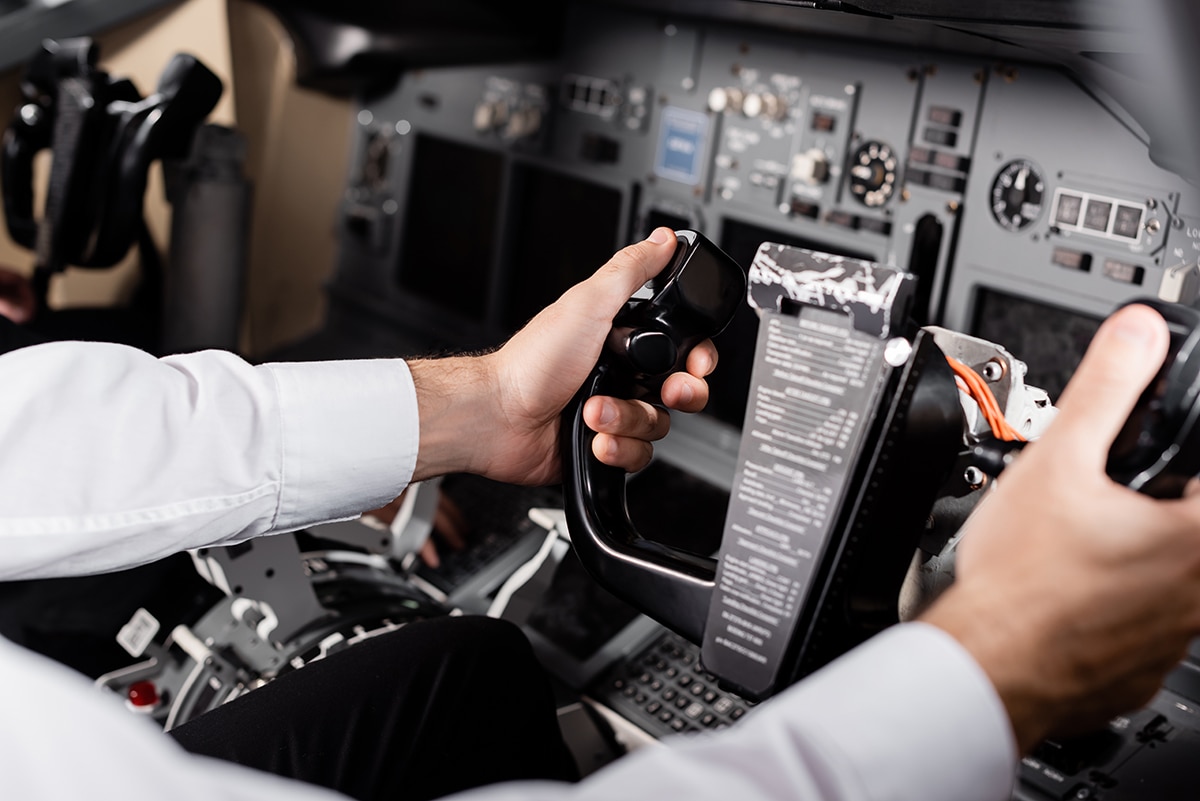
₹70 Lakh
The biggest surprise for many aspiring pilots may come before their first airline job: the cost. Commercial pilot training in India can require roughly ₹60-70 lakh, depending on the institution and flying hours, making financing a major part of the career decision.
- 6/6
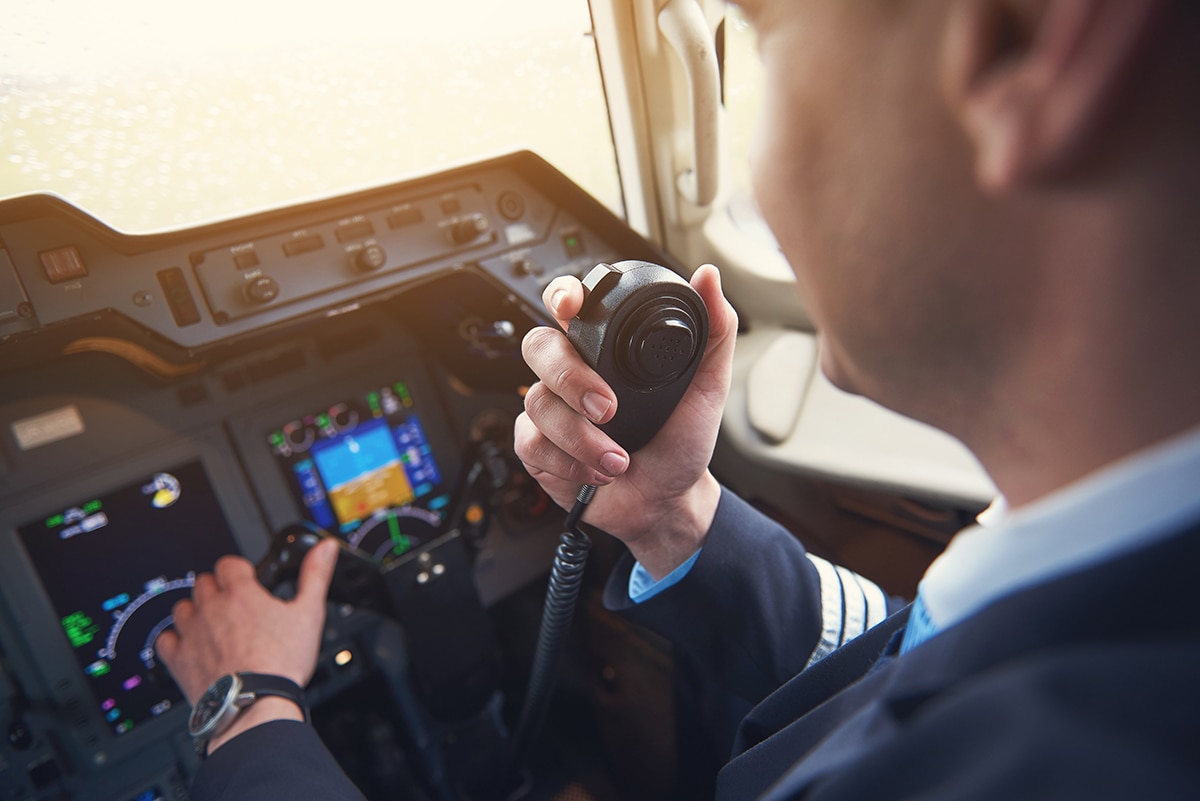
Airline Entry
A Commercial Pilot License opens the door, but it does not make the journey effortless. Trainees must master weather, navigation, aviation regulations, aircraft systems and radio communication, building the technical and operational skills needed to handle the demands of commercial flying.