
From Tulsi to Jade: The prosperity plants Vastu experts swear by
From Tulsi to Jade, explore Vastu-approved plants believed to attract wealth, calm energy, and stability, revealing how placement, light, and care shape prosperity at home.
- Feb 9, 2026,
- Updated Feb 9, 2026 11:50 AM IST
- 1/9
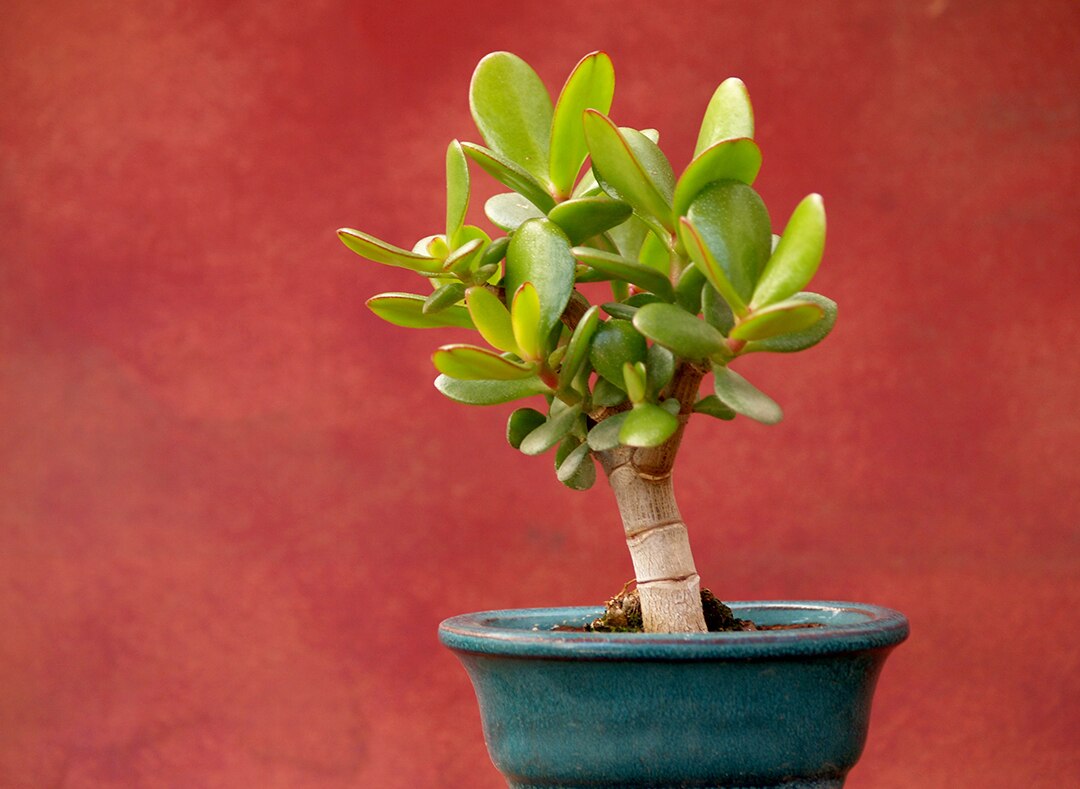
Jade Fortune Those plump, coin-like leaves aren’t just pretty—they’ve long been read as botanical metaphors for wealth. Vastu consultants often point to the jade plant’s slow, steady growth as a lesson in compounding prosperity, recommending it near entrances or the southeast to “activate” financial energy, a belief echoed by interior energy experts.
- 2/9
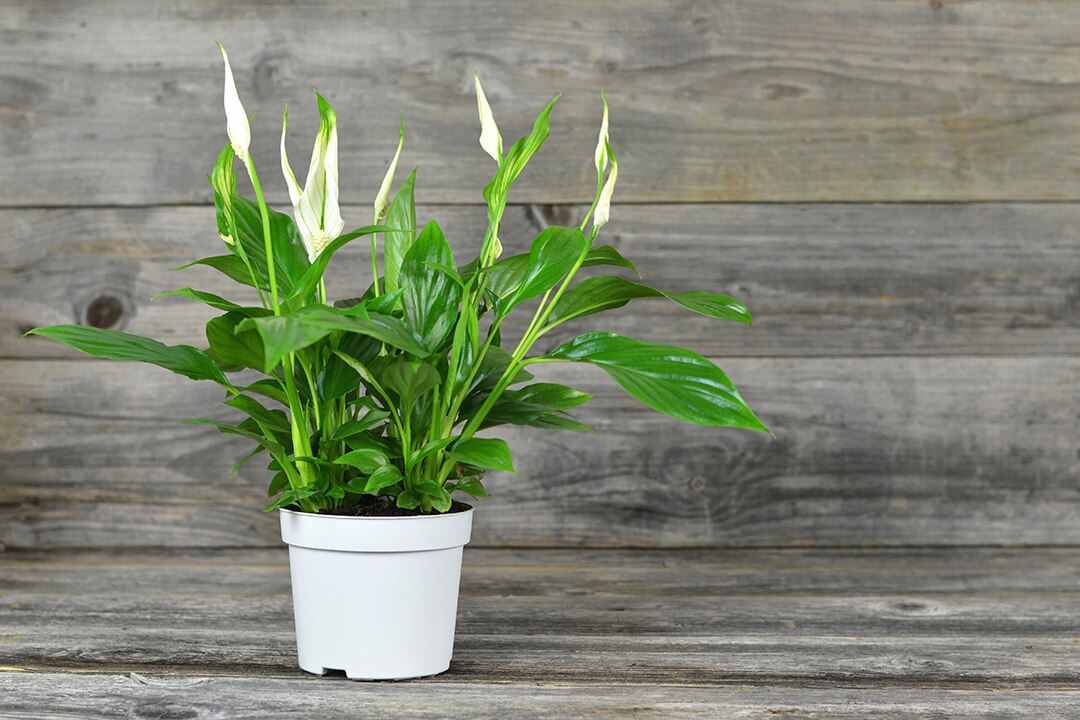
Silent Serenity The peace lily works quietly, its white spathes cutting through visual noise like a pause button for the mind. Vastu practitioners say its ability to purify indoor air, supported by NASA’s clean-air research, mirrors its symbolic role in calming emotional turbulence and restoring mental clarity when placed thoughtfully.
- 3/9
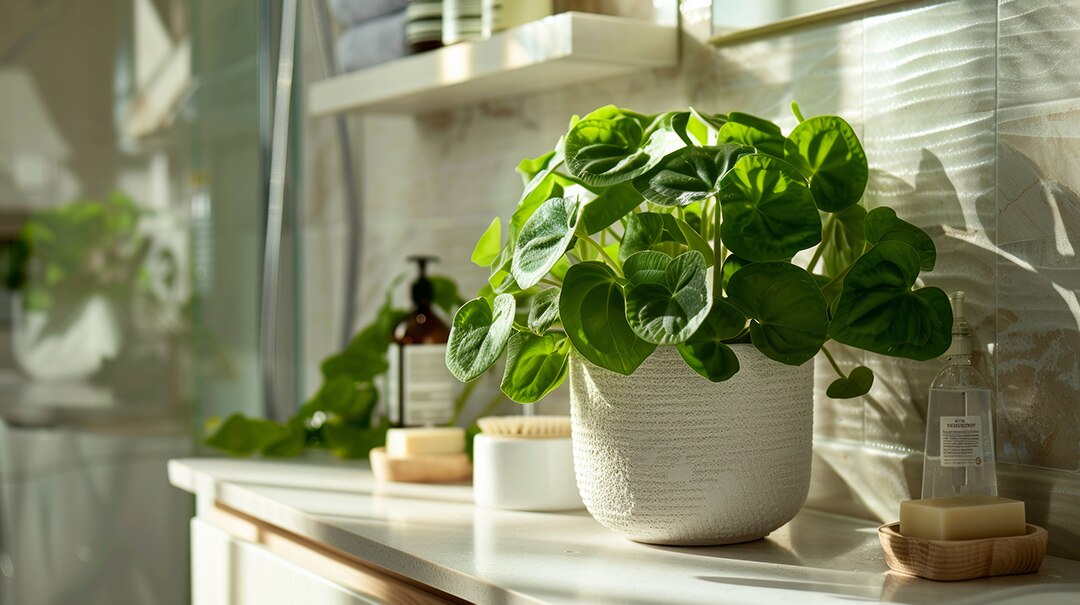
Green Currency The money plant’s trailing vines tell a visual story of expansion—one leaf becoming many. Vastu Shastra links this plant to sustained financial flow, not sudden windfalls, a belief reinforced by horticulturists who note its resilience and adaptability, making it a living metaphor for long-term economic stability.
- 4/9
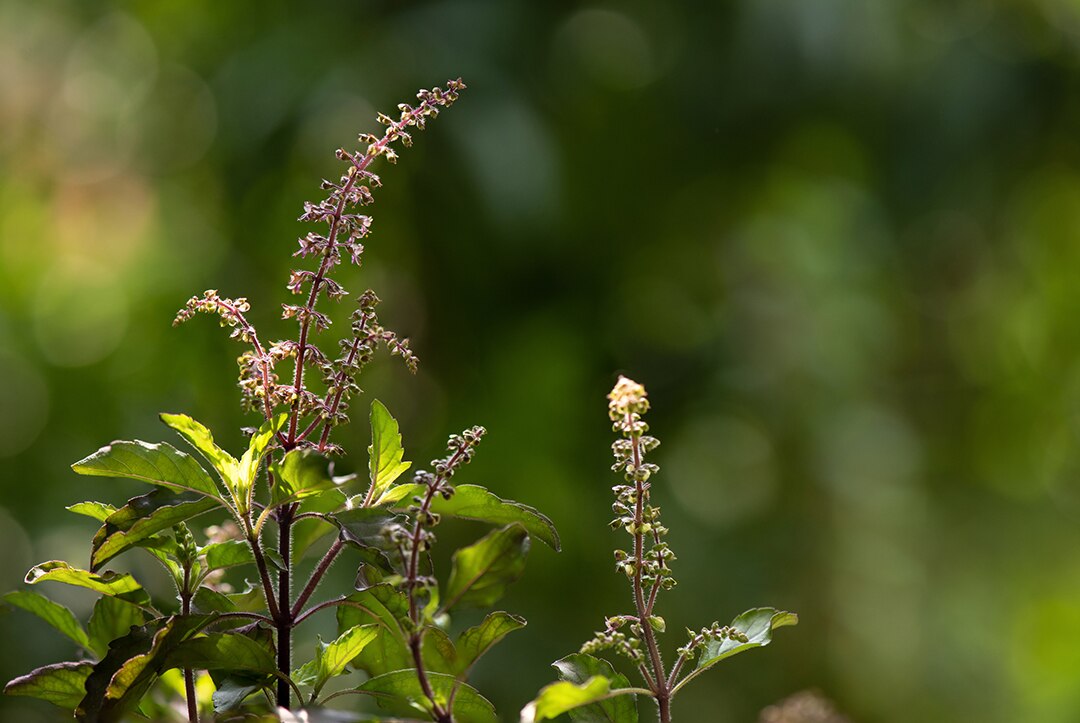
Sacred Shield Tulsi isn’t just a plant; it’s a presence. Ancient texts and modern Ayurveda experts agree on its purifying qualities, while Vastu frames it as a spiritual guardian. When bathed in morning sunlight, it’s believed to create a protective energetic dome that filters negativity before it enters the home.
- 5/9
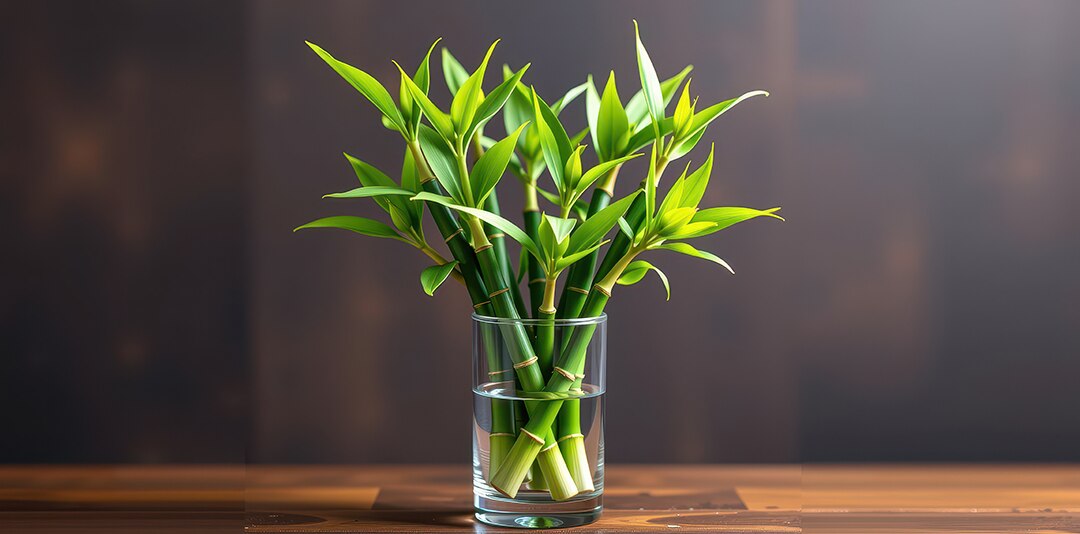
Bamboo Promise Lucky bamboo’s segmented stalks resemble milestones, each node symbolizing progress earned over time. Though rooted in Feng Shui, Vastu-aligned designers often adopt it for its association with steady growth, citing how its disciplined structure mirrors the kind of patience wealth-building actually requires.
- 6/9
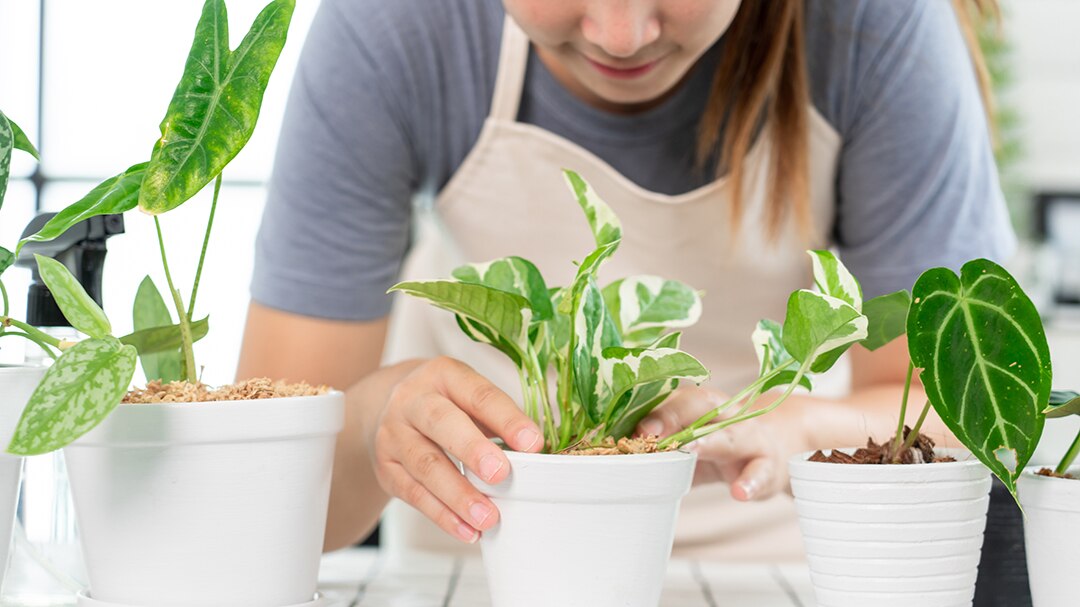
Directional Magic In Vastu, prosperity isn’t just about what you plant—it’s where you plant it. Energy researchers and traditional scholars alike emphasize directional placement, arguing that even auspicious plants can stagnate if corners, light flow, and spatial balance aren’t respected, turning good intentions inert.
- 7/9
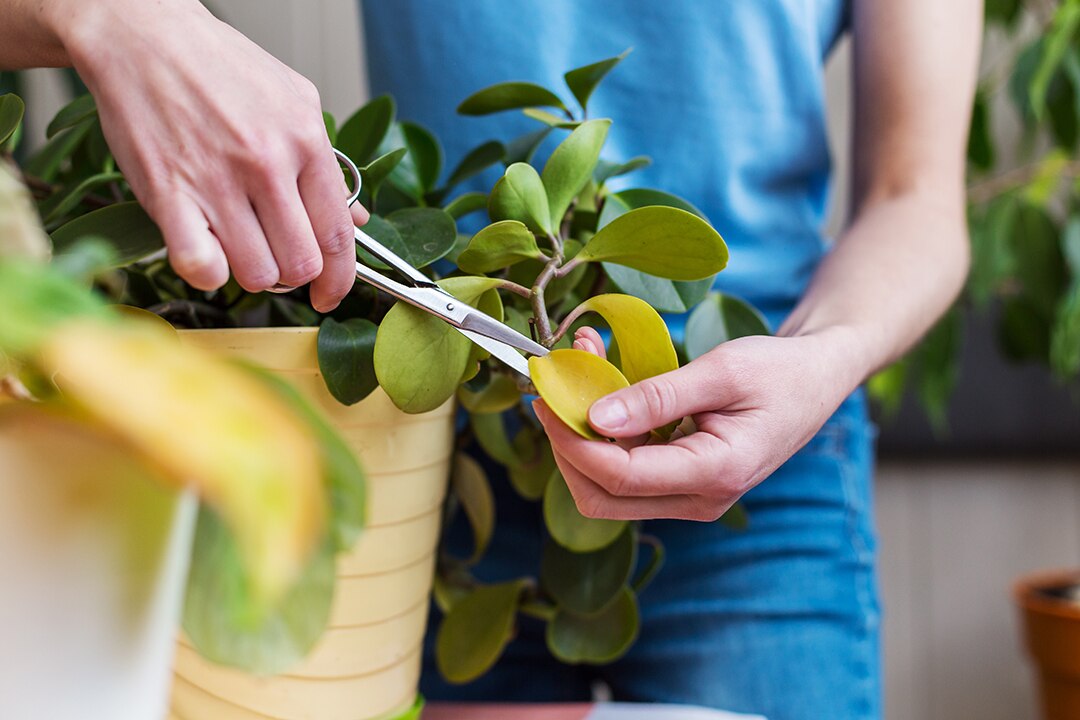
Living Discipline These plants demand care, and that’s the point. Vastu experts often stress that prosperity symbols only “work” when nurtured, framing regular watering and pruning as rituals of consistency—daily reminders that wealth, like foliage, wilts when neglected and flourishes with attention.
- 8/9
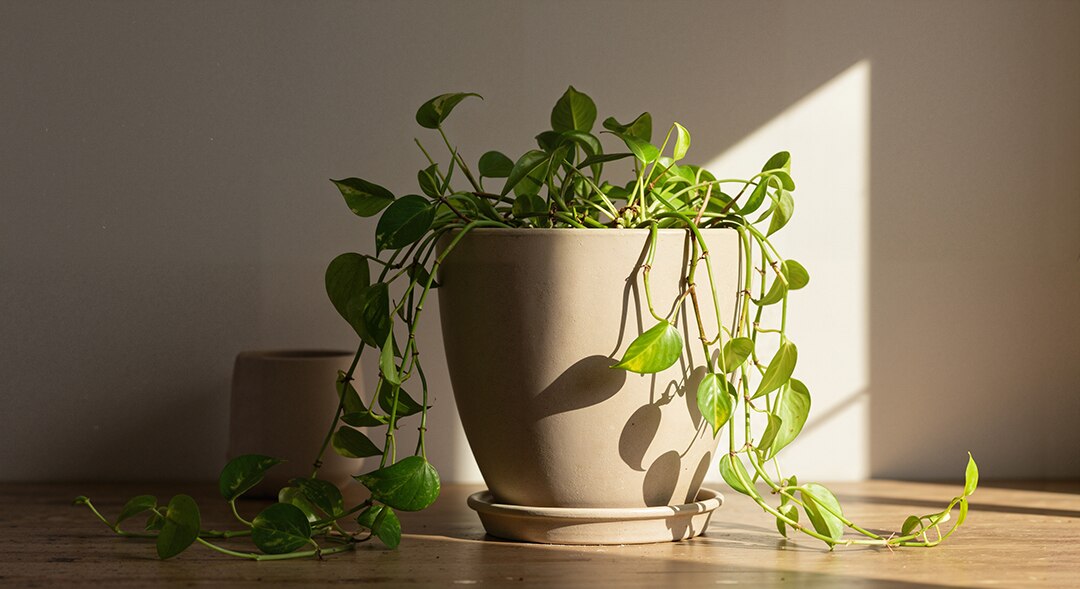
Light Logic Sunlight isn’t mystical, but its effects can feel that way. Botanists confirm light regulates growth hormones, while Vastu interprets this as energy activation. Plants placed in proper light zones are believed to amplify positive vibrations, aligning biological science with age-old spatial wisdom.
- 9/9
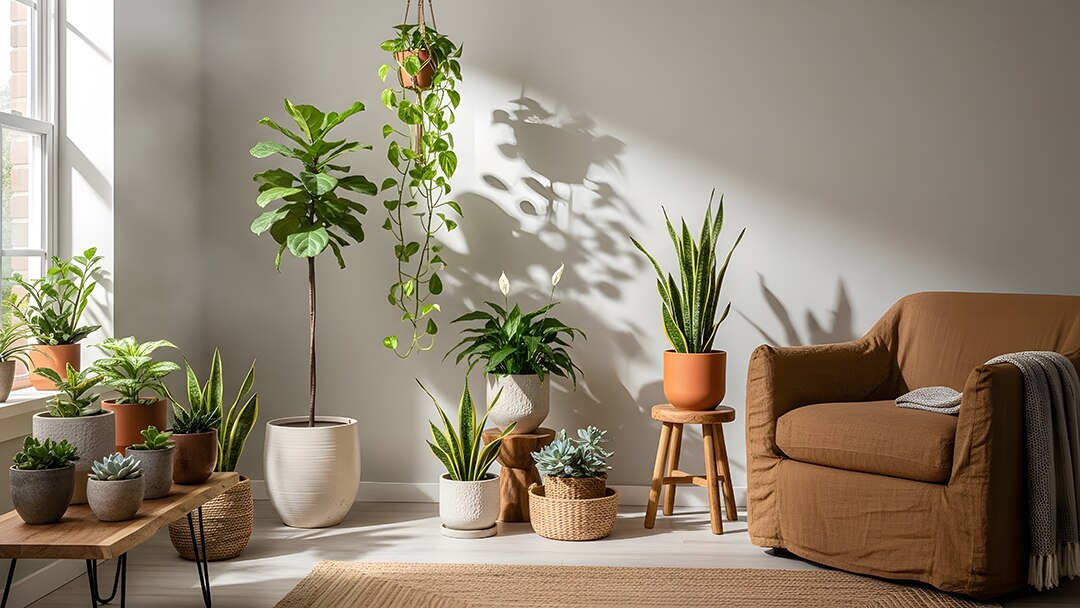
Quiet Abundance None of these plants shout success. Their symbolism is subtle, almost humble. Vastu scholars argue that this restraint matters—that prosperity invited gently, through balanced environments and living elements, tends to last longer than riches chased through excess or visual noise.