
Ram Mandir's winter schedule is here! Why arriving at 4 am may not get you darshan
Ayodhya Ram Mandir's winter schedule begins November 1, 2026. Check revised darshan timings, Mangala Aarti, Shringar Aarti, afternoon closures and new temple entry rules.
- Oct 27, 2026,
- Updated Oct 27, 2026 4:55 PM IST
- 1/4
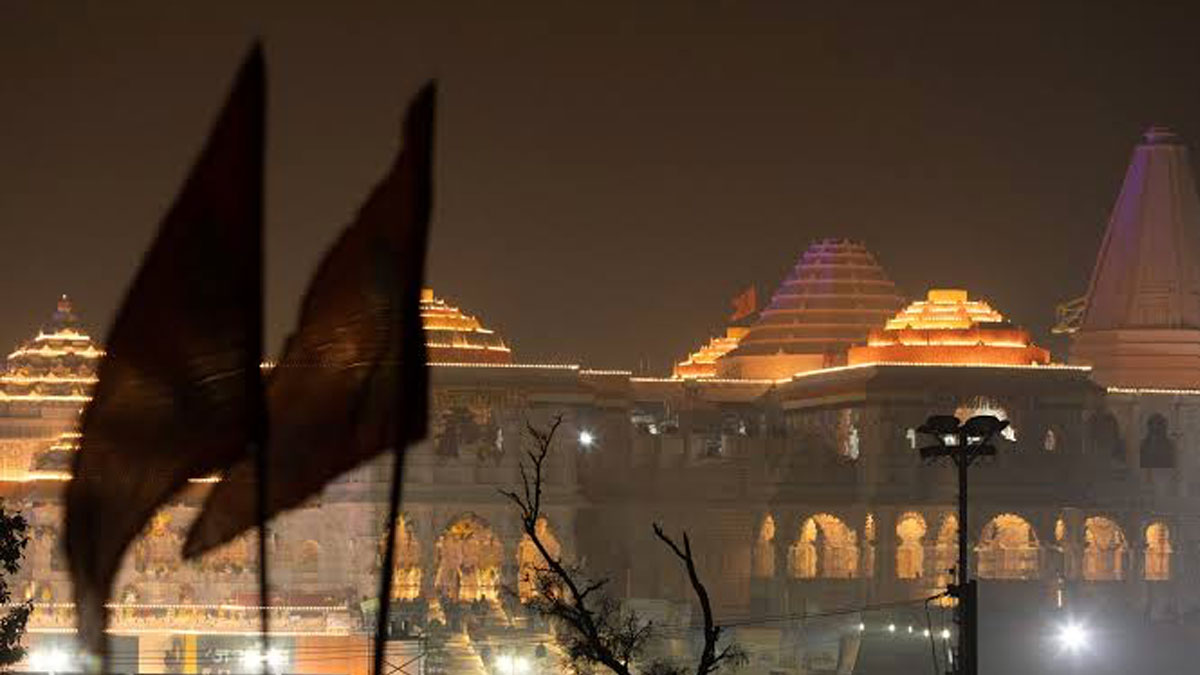
Darshan shakeup
Planning to visit Ayodhya's Ram Mandir in November? Your temple schedule needs an update! From November 1, 2026, the Shri Ram Janmabhoomi Temple will open at 4 am instead of 3:45 am and close at 10 pm instead of 10:30 pm. The revised winter schedule also changes the timings of aartis, offerings and rest periods. But here's the catch: although the gates open at 4 am, regular darshan for devotees begins only at 7 am.
- 2/4
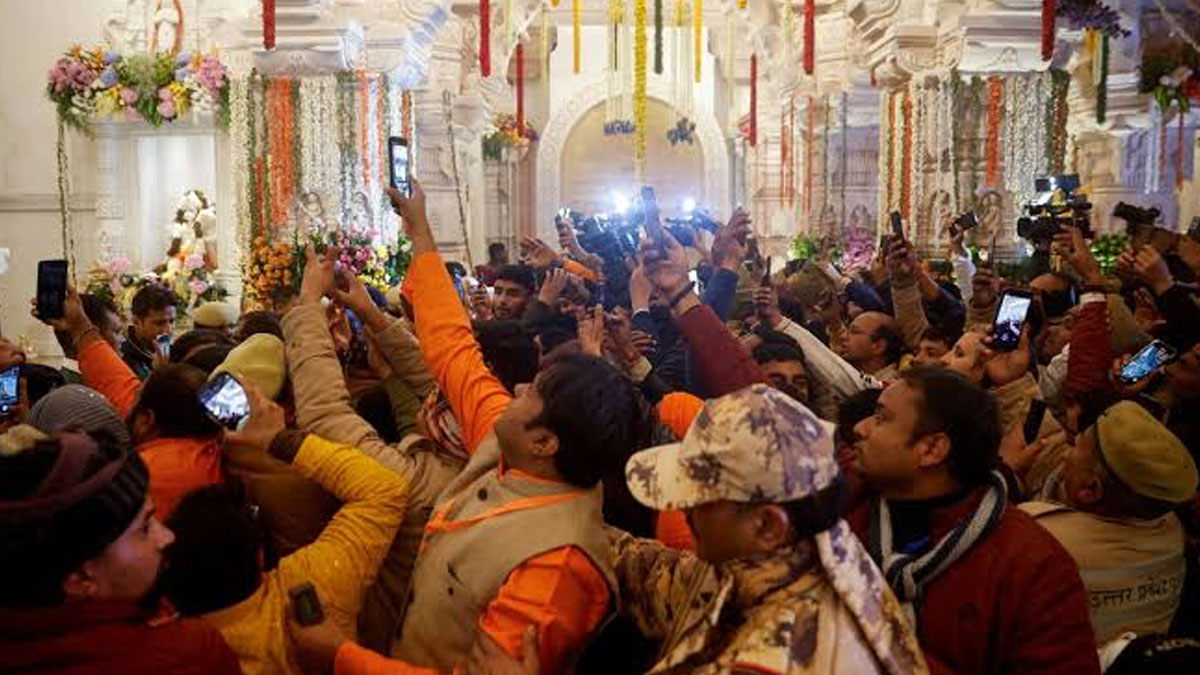
Morning surprise
Want to catch the first glimpse of Ram Lalla? Arriving at 4 am won't guarantee immediate darshan! The temple's Mangala Aarti will take place from 4:30 am to 4:40 am, followed by a closure until 6:30 am for rituals and offerings. Shringar Aarti begins at 6:30 am, while regular darshan starts at 7 am. Another brief closure is scheduled from 8 am to 8:10 am, making early-morning planning especially important.
- 3/4
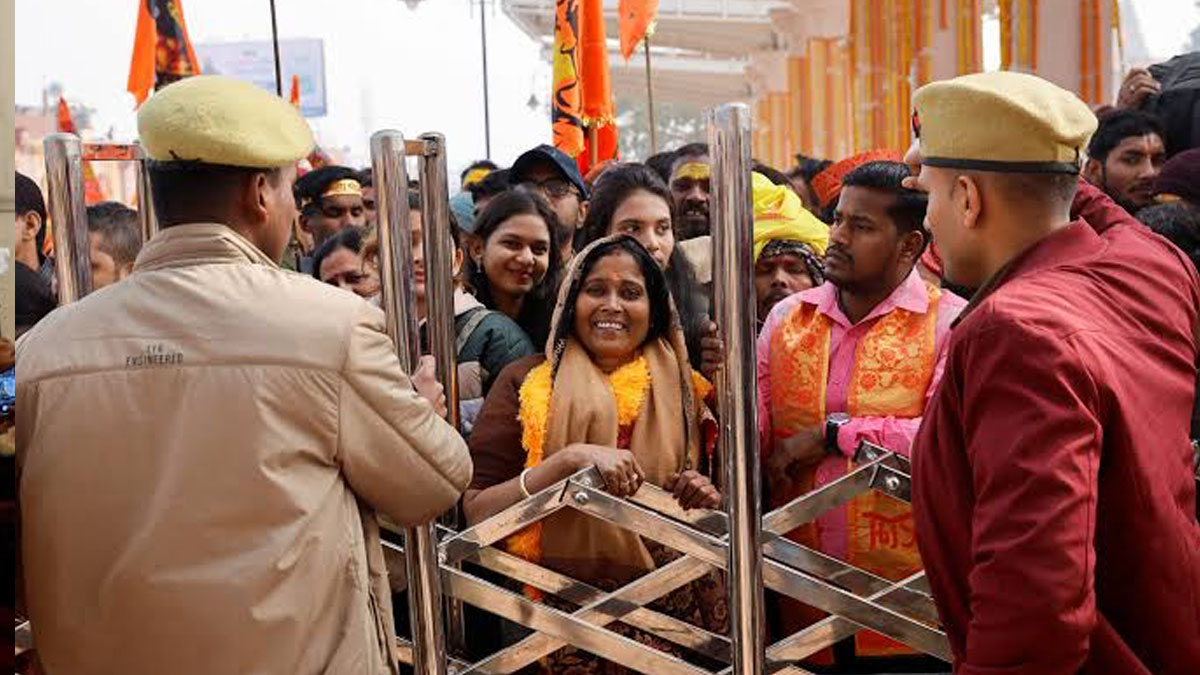
Midday pause
Travelling to Ayodhya around lunchtime? Watch the clock before joining the darshan queue! Under the revised schedule, the temple will close from 11:30 am to noon for Raj Bhog, followed by the Raj Bhog Aarti at 12 pm. Ram Lalla's afternoon rest is scheduled between 12:30 pm and 1:30 pm, with darshan resuming at 1:35 pm. Evening visitors should also account for multiple ritual-related closures before the final Shayan Aarti at 9:30 pm.
- 4/4
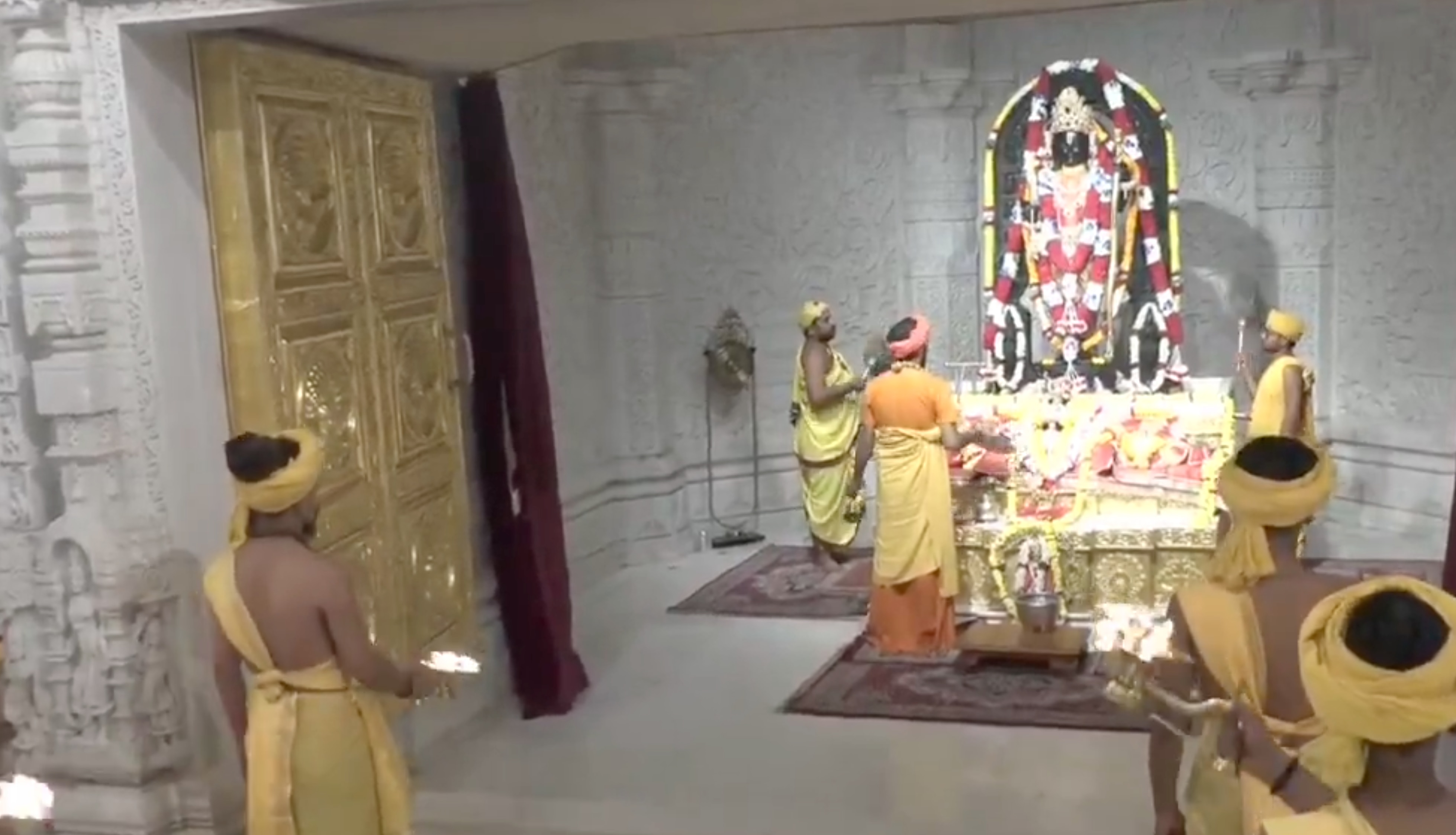
Temple recognition
Ayodhya's Ram Mandir has received another recognition, this time for food safety! The Food Safety and Standards Authority of India (FSSAI) has awarded the temple its 'Eat Right Place of Worship' certification for meeting prescribed food safety and hygiene standards. FSSAI CEO Rajit Punhani presented the certificate during a special ceremony. The recognition will remain valid for two years, highlighting an important aspect of temple operations beyond worship and darshan.