
Train seat rules: The innocent mistake that can land passengers in trouble
Train seat rules explained: Know when you can swap seats, why selling tickets is illegal, and how waiting list travel or unauthorised seat changes can lead to penalties.
- Aug 30, 2026,
- Updated Aug 30, 2026 6:00 AM IST
- 1/5
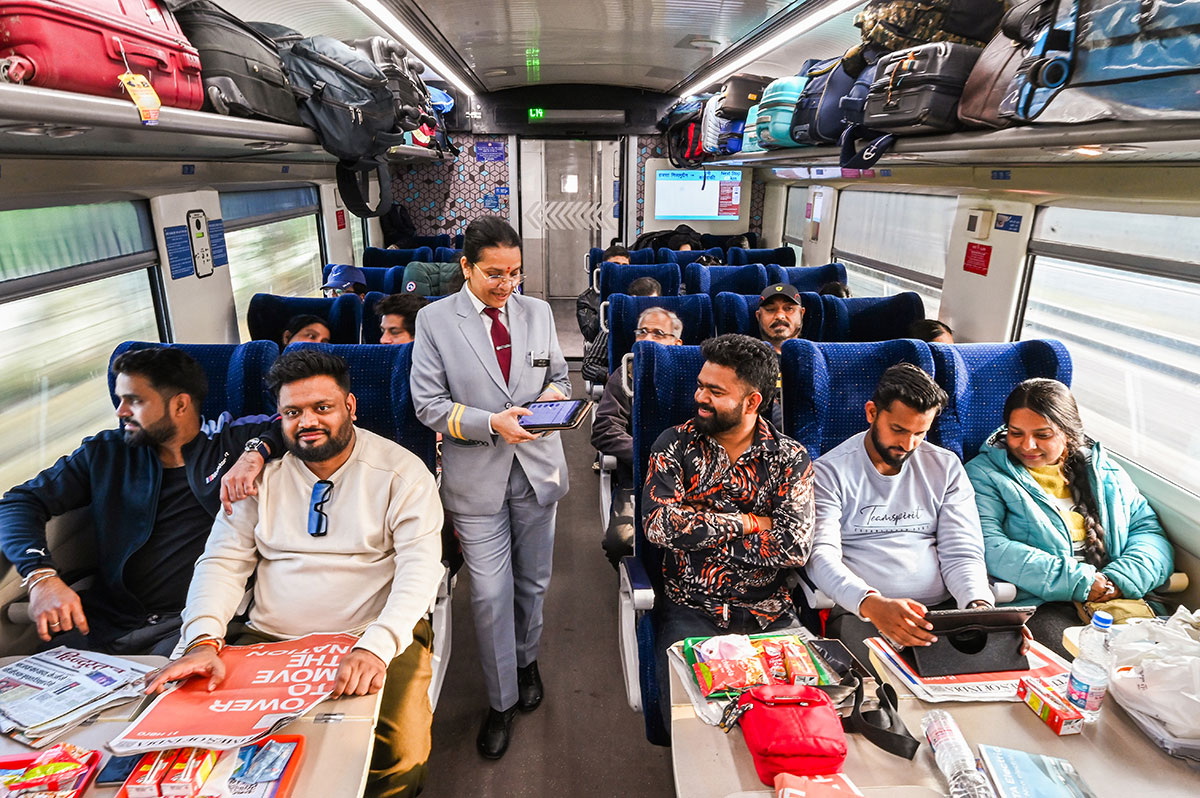
Seat Swap
Changing seats with a co-passenger on a train may look like a harmless favour, especially when families or friends want to sit together. But railway rules draw a line between a mutual exchange and occupying someone else’s reserved seat without proper permission, which can create trouble for passengers.

- 2/5
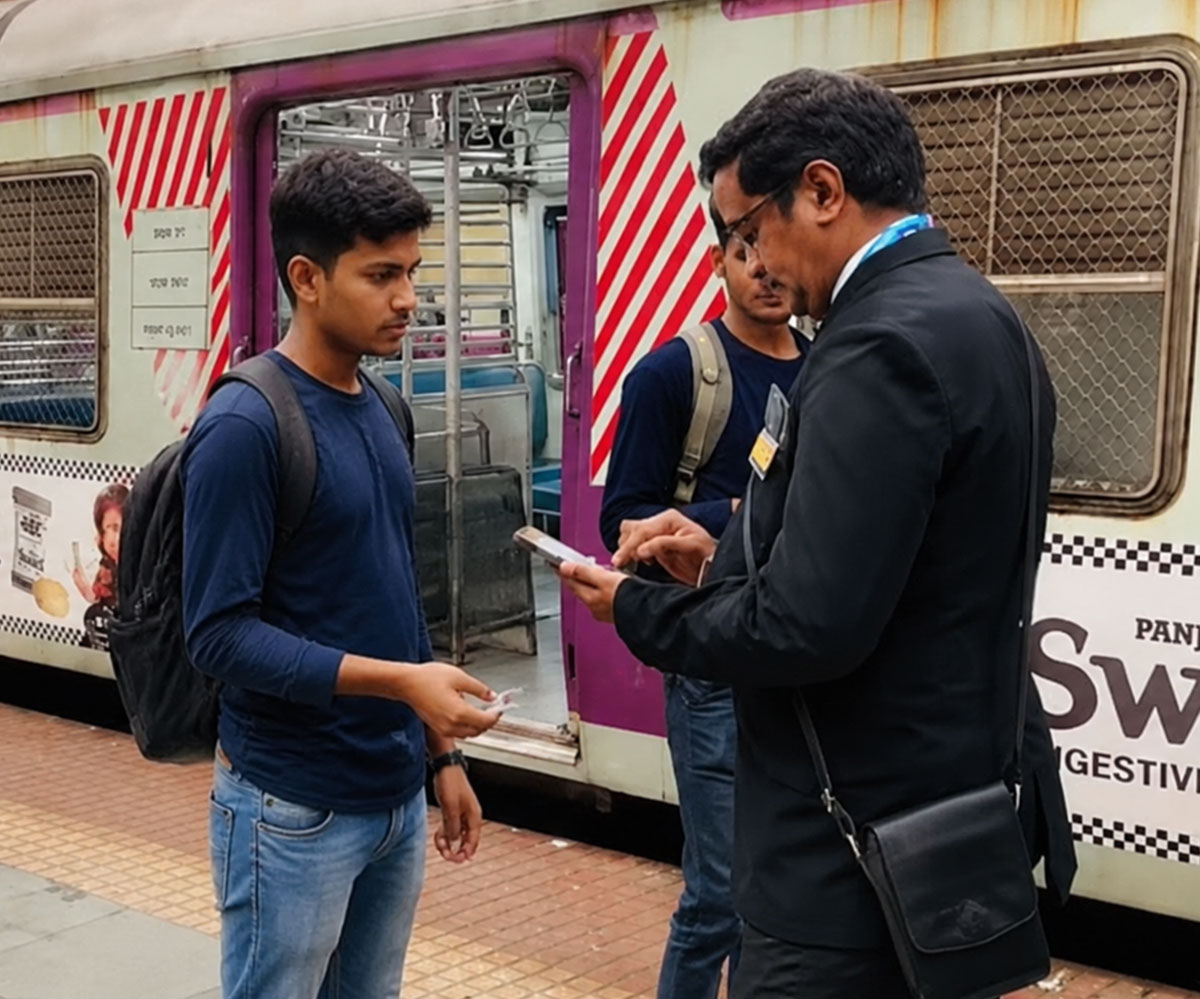
TTE Authority
Passengers who want a different seat or coach cannot simply move around the train on their own. If another berth is vacant, the TTE has the authority to make changes according to railway rules. Getting official approval can prevent unnecessary disputes and penalties during the journey.
- 3/5
Fine Alert
That quick seat change without permission could cost more than expected. Railway rules allow penalties when passengers leave their allotted seats and occupy another passenger’s place without approval. A small convenience during a trip can turn into an avoidable fine.
- 4/5
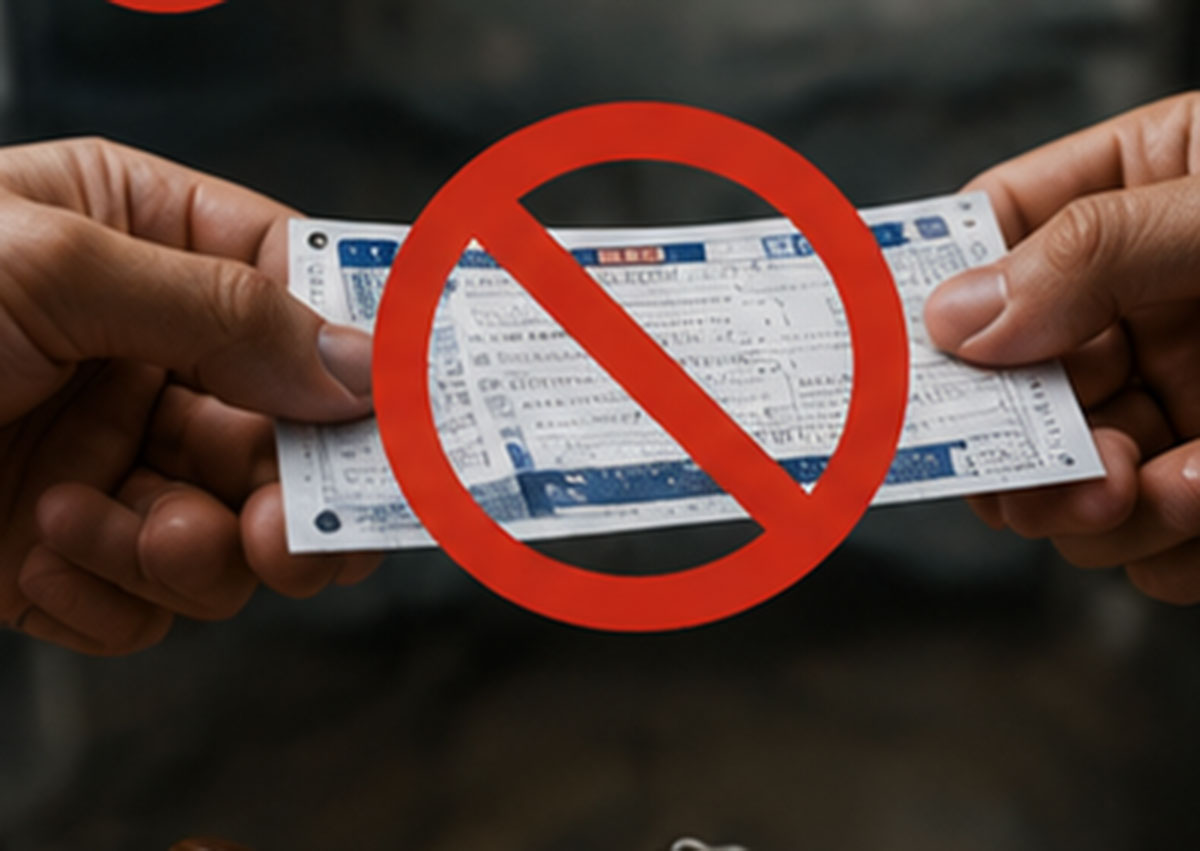
Ticket Transfer
A confirmed railway ticket is not something that can be sold or casually handed over to another person. Selling a reserved ticket without railway permission is considered an offence and can lead to serious consequences, including a possible jail term and monetary penalty.
- 5/5
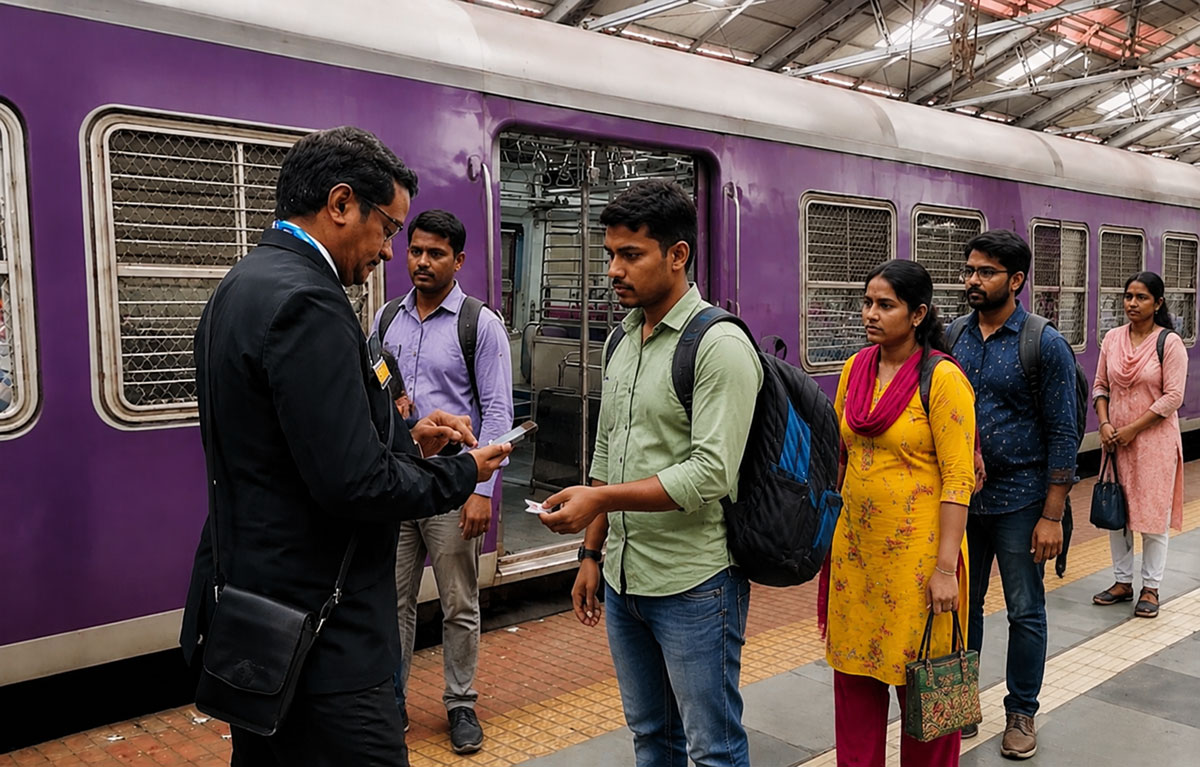
Waiting Trouble
Many passengers travel even when their waiting list ticket does not get confirmed after chart preparation. However, boarding a reserved train with an unconfirmed waiting ticket can invite action from railway authorities, including a penalty and additional fare charges.