
Depreciating rupee may affect your foreign trip. But here's what you can do
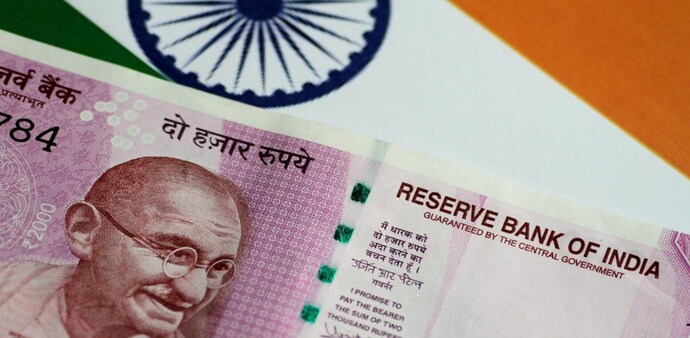
The depreciating rupee can throw a spanner in your travel plans. But experts say there are ways you can enjoy your vacation abroad.
- May 11, 2022,
- Updated May 11, 2022 5:34 PM IST
It is that part of the year when people go on foreign vacations or send their kids abroad for higher studies. This is also part of the year when one sees a rise in group travels for meetings, incentives, conferences and exhibitions (MICE). Incidentally, this time the depreciating rupee might throw a spanner in the works. This is because the domestic currency recently dropped to an all-time low of 77.41, surpassing the previous low of 76.98 in March. On Wednesday it opened at Rs 77.24 against the US dollar at the interbank foreign exchange.
“With travel, both on account of business and leisure, bouncing back post the pandemic, coupled with the summer holidays approaching, outbound tourism from India is set to witness swelling traffic. Now, with the US dollar surging to an all-time high and the Indian rupee depreciating by 3.7 per cent in 2022, it surely is going to shrink the travel budgets and spends,” said Anand Tandon, founder and CEO of Myforexeye, a Noida-based fintech company that provides foreign exchange services to SMEs, large companies and high networth individuals.
What then are some of the best ways to carry money abroad with the rupee likely to depreciate even more over crude oil pressure?
“The depreciating rupee has suddenly made foreign travelling for leisure as well as higher studies more expensive. However, while travelling abroad one should avoid taking cash as it is the most expensive way. Interestingly, a few credit card companies have come up with a zero-markup credit card. That's one option one could take. Otherwise, a prepaid card is a good option as the markup is normally lower on those cards. Moreover, if you're travelling, planning things a little could save you more. For example, the dollar rupee exchange rate is volatile but you can pick a good day when the rate is favourable,” points out Asit Oberoi, regional director (South Asian operations) of iPiD.
iPiD simplifies cross-border payments as a text message. It makes cross-border payments easy by needing only a simple proxy for the payee’s identity. The company enables global payments based on a phone number, email address, QR code, corporate registration number, among other things.
Oberoi added, “Credit cards have high markup charges so one should avoid that. But there are also banks that charge 1-1.5 per cent markup and give around 3 per cent back as reward points. So that's not too bad either. Cash is probably the last option along with credit cards with high markup charges.”
Whatever be your source of buying foreign currency it is important to compare and negotiate the rates. This is because by careful planning you can reduce the cost, considerably. For example, buying from airports and hotels should be the last resort because of higher fees and currency conversion charges. Similarly, at the time of dealing with banks or exchanges, you should not take the rates straight away as they may be charging a hefty margin in the rates.
Tandon added, “We would advise that travellers should carry prepaid forex cards instead of cash. This is so because there is a cash shortage as far as the dollar is concerned so the premium charged could be much higher. Normally dollar is available at a premium of 1-1.5 per cent as compared to prepaid forex card that could be available for around 0.5 per cent premium. A debit card is an expensive proposition as there are higher conversion charges that can go upto 3-3.5 per cent on each transaction.”
Also Read: WeWork takes 6.6 lakh sq ft office space on lease in Noida to expand biz
Also Read: Market falls for fourth session: Sensex tanks 276 points, Nifty ends below 16,200
It is that part of the year when people go on foreign vacations or send their kids abroad for higher studies. This is also part of the year when one sees a rise in group travels for meetings, incentives, conferences and exhibitions (MICE). Incidentally, this time the depreciating rupee might throw a spanner in the works. This is because the domestic currency recently dropped to an all-time low of 77.41, surpassing the previous low of 76.98 in March. On Wednesday it opened at Rs 77.24 against the US dollar at the interbank foreign exchange.
“With travel, both on account of business and leisure, bouncing back post the pandemic, coupled with the summer holidays approaching, outbound tourism from India is set to witness swelling traffic. Now, with the US dollar surging to an all-time high and the Indian rupee depreciating by 3.7 per cent in 2022, it surely is going to shrink the travel budgets and spends,” said Anand Tandon, founder and CEO of Myforexeye, a Noida-based fintech company that provides foreign exchange services to SMEs, large companies and high networth individuals.
What then are some of the best ways to carry money abroad with the rupee likely to depreciate even more over crude oil pressure?
“The depreciating rupee has suddenly made foreign travelling for leisure as well as higher studies more expensive. However, while travelling abroad one should avoid taking cash as it is the most expensive way. Interestingly, a few credit card companies have come up with a zero-markup credit card. That's one option one could take. Otherwise, a prepaid card is a good option as the markup is normally lower on those cards. Moreover, if you're travelling, planning things a little could save you more. For example, the dollar rupee exchange rate is volatile but you can pick a good day when the rate is favourable,” points out Asit Oberoi, regional director (South Asian operations) of iPiD.
iPiD simplifies cross-border payments as a text message. It makes cross-border payments easy by needing only a simple proxy for the payee’s identity. The company enables global payments based on a phone number, email address, QR code, corporate registration number, among other things.
Oberoi added, “Credit cards have high markup charges so one should avoid that. But there are also banks that charge 1-1.5 per cent markup and give around 3 per cent back as reward points. So that's not too bad either. Cash is probably the last option along with credit cards with high markup charges.”
Whatever be your source of buying foreign currency it is important to compare and negotiate the rates. This is because by careful planning you can reduce the cost, considerably. For example, buying from airports and hotels should be the last resort because of higher fees and currency conversion charges. Similarly, at the time of dealing with banks or exchanges, you should not take the rates straight away as they may be charging a hefty margin in the rates.
Tandon added, “We would advise that travellers should carry prepaid forex cards instead of cash. This is so because there is a cash shortage as far as the dollar is concerned so the premium charged could be much higher. Normally dollar is available at a premium of 1-1.5 per cent as compared to prepaid forex card that could be available for around 0.5 per cent premium. A debit card is an expensive proposition as there are higher conversion charges that can go upto 3-3.5 per cent on each transaction.”
Also Read: WeWork takes 6.6 lakh sq ft office space on lease in Noida to expand biz
Also Read: Market falls for fourth session: Sensex tanks 276 points, Nifty ends below 16,200