
Fireballs after dark: 5 autumn sky events you won't want to sleep through
From Orionid and Taurid fireballs to the Harvest Moon and zodiacal light, autumn 2026 brings a packed calendar of meteor showers and striking celestial sights.
- Sep 18, 2026,
- Updated Sep 18, 2026 6:20 AM IST
- 1/6
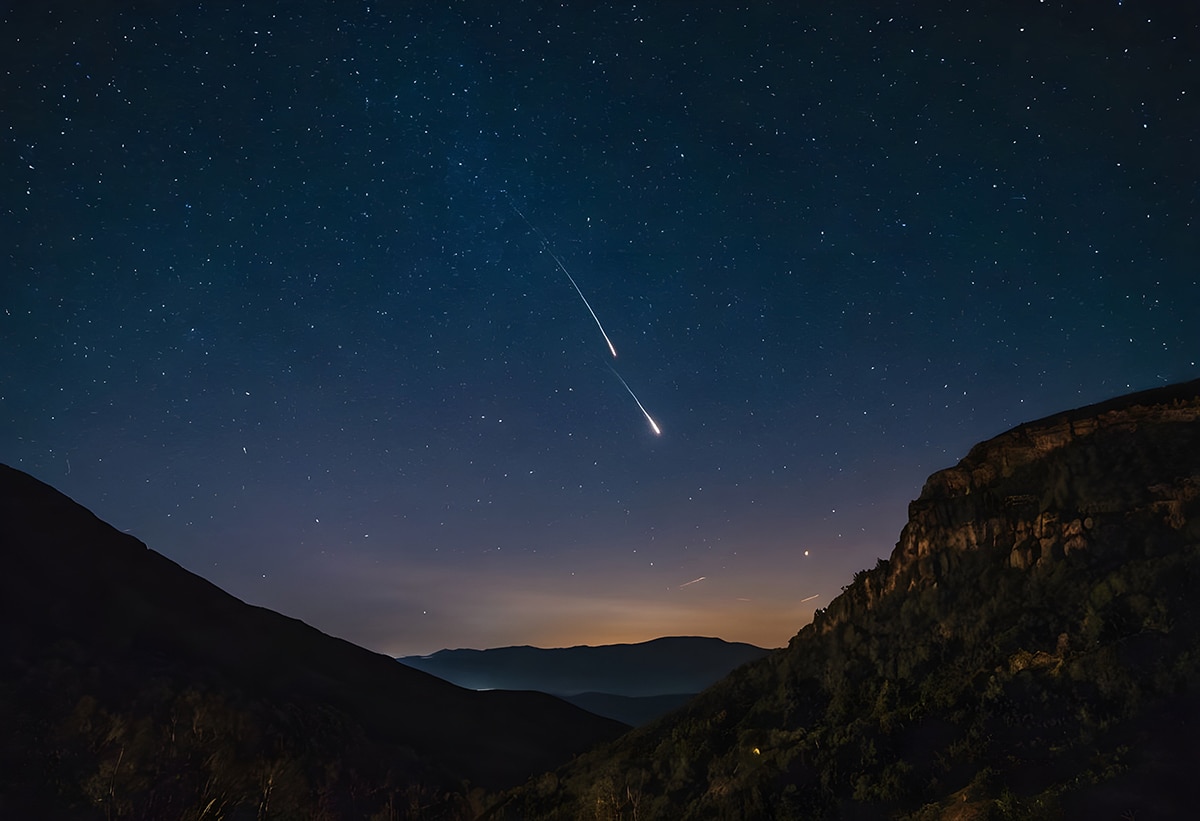
Sunset surprise
The Draconid meteor shower arrives around October 7 with an unusual advantage for anyone unwilling to stay awake until dawn. Unlike many meteor showers, the Draconids are best watched after nightfall, when an unpredictable burst could suddenly turn an otherwise quiet northern sky into a celestial show.
- 2/6
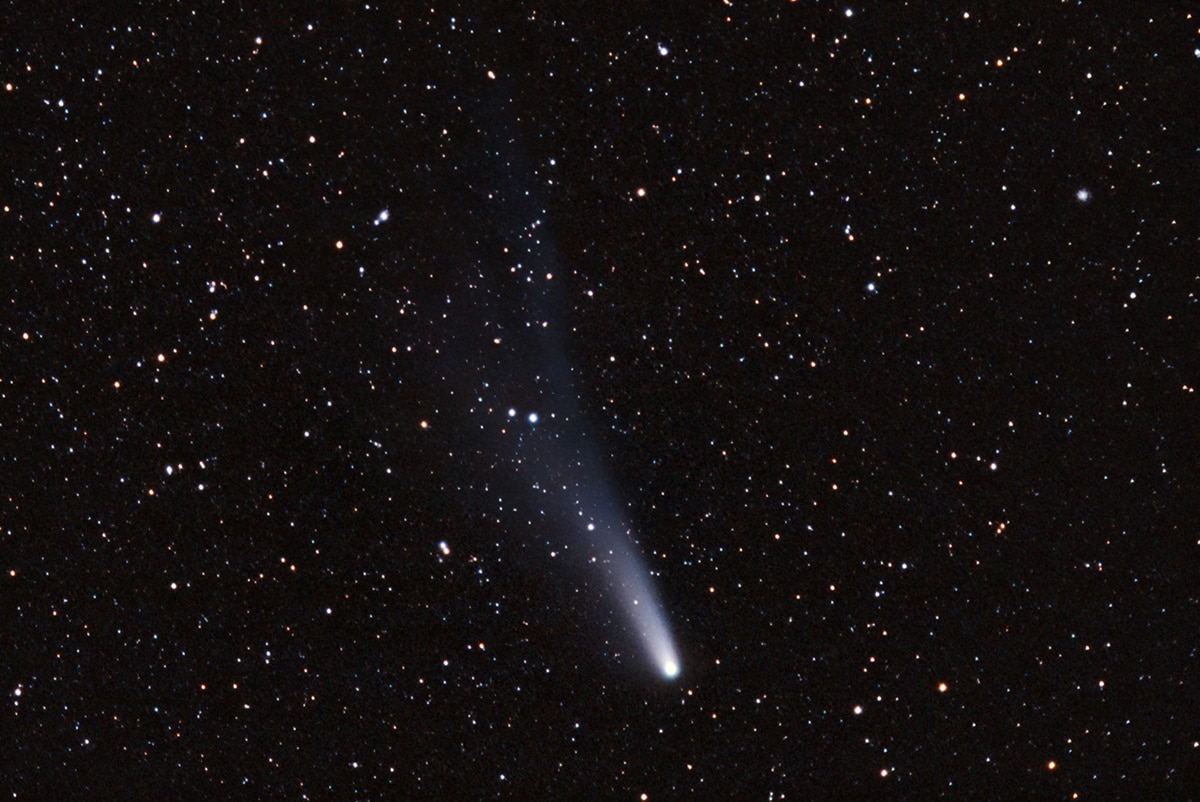
Halley returns
The Orionid meteor shower peaks on October 21-22, when Earth ploughs through debris left behind by Halley’s Comet. The comet itself will be far away, but its fragments can rip through the atmosphere at around 66 km per second, sometimes leaving glowing trains suspended in the darkness.
- 3/6
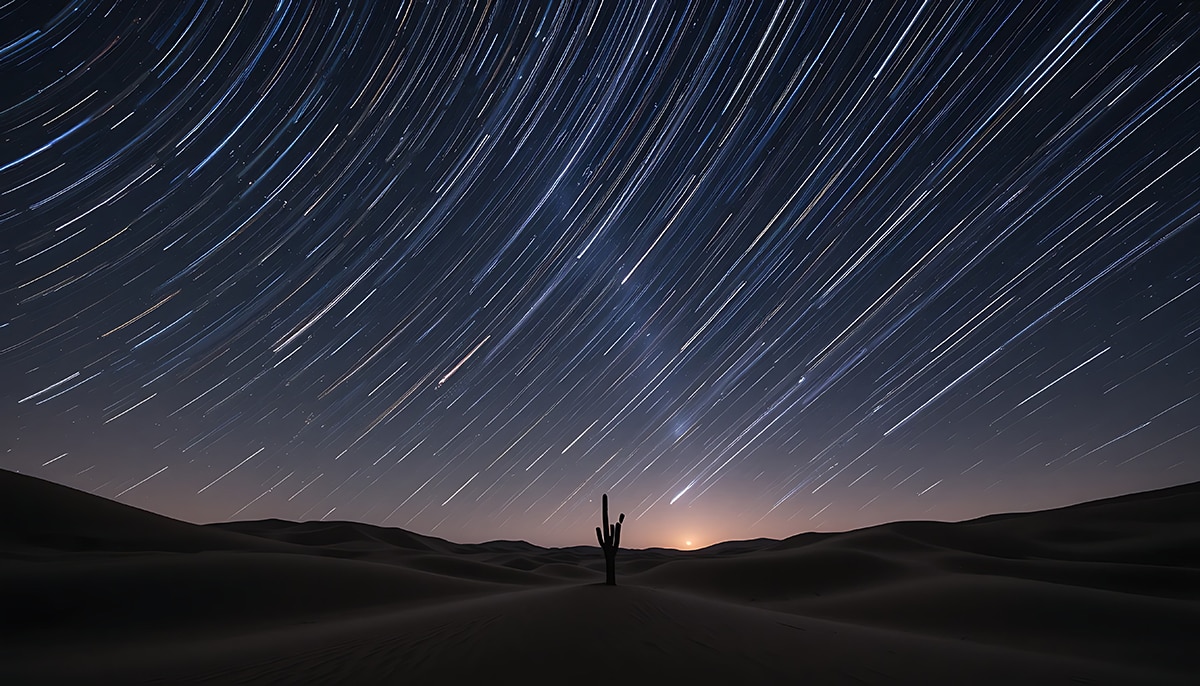
Fireball season
The Taurid meteor shower around November 4-5 may not overwhelm the sky with shooting stars, but what it lacks in numbers it can make up for in spectacle. Debris associated with Comet Encke can produce exceptionally bright meteors known as fireballs, rewarding patient watchers with sudden flashes across the autumn darkness.
- 4/6
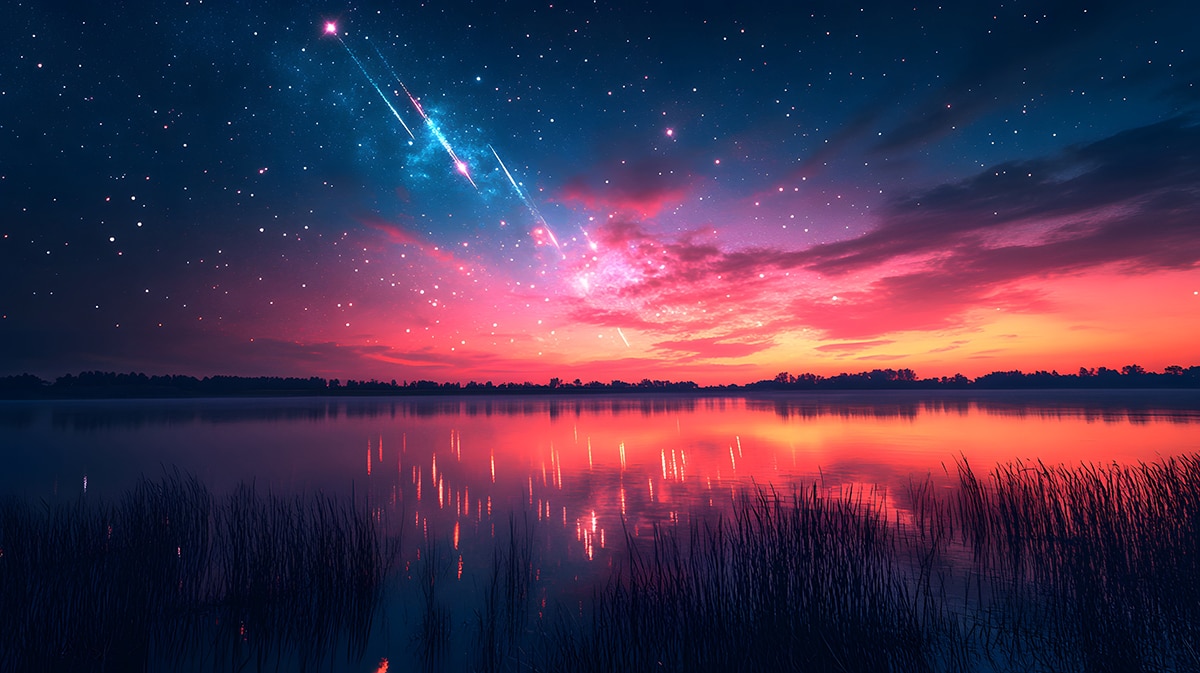
Leonid legacy
The Leonid meteor shower peaks around November 17 as Earth encounters debris from Comet Tempel-Tuttle. The Leonids have produced extraordinary meteor storms in the past; while no such storm is expected in 2026, their reputation for fast, bright meteors gives skywatchers another reason to stay outside.
- 5/6
Moon spectacle
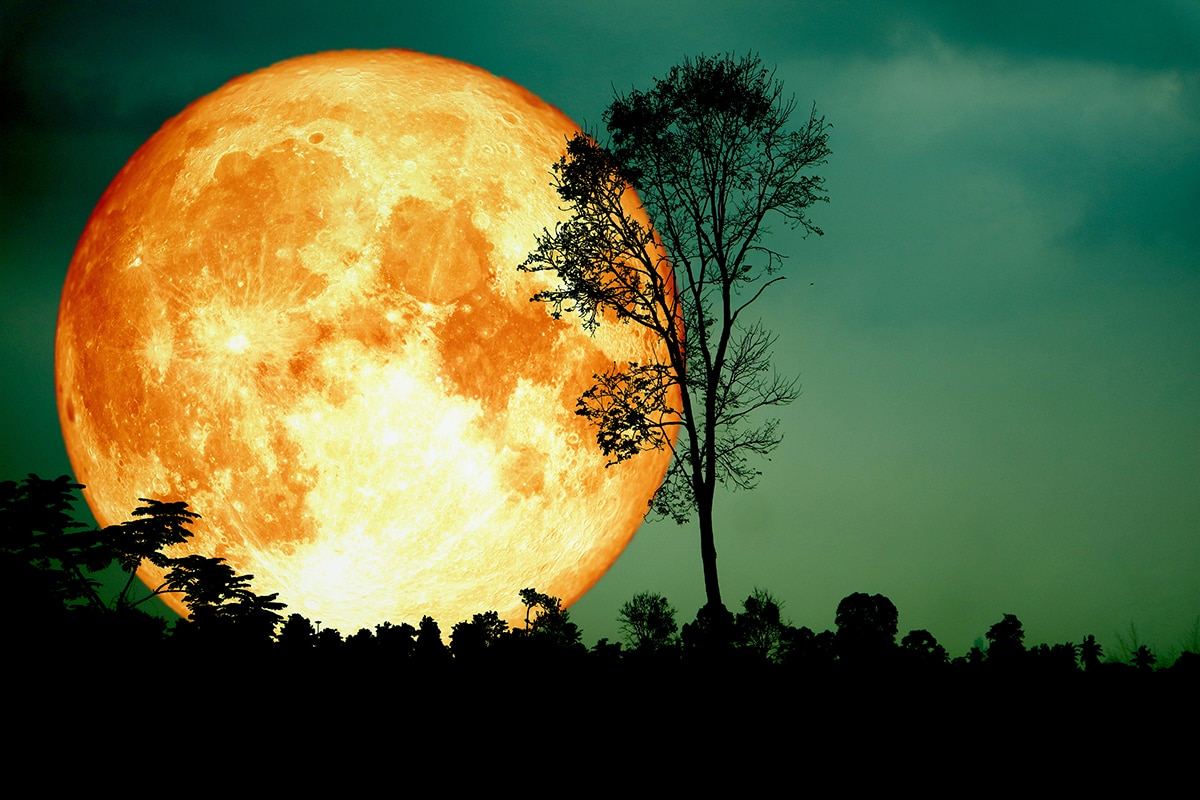
The Harvest Moon adds another attraction to the autumn calendar, illuminating the late-September sky while planets provide company. Around the same period, Neptune reaches opposition and Saturn shines in the evening, creating a packed celestial lineup beyond the season’s meteor showers.
- 6/6
Ghostly glow
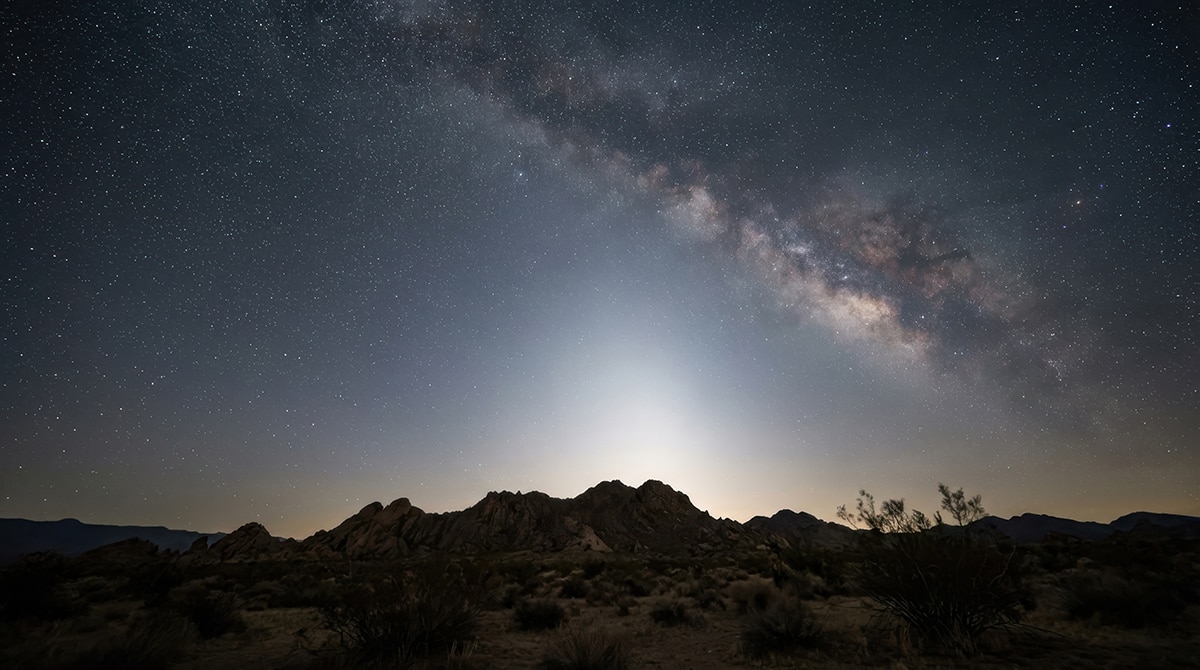
The zodiacal light is far subtler than a meteor shower, but catching it can feel even more mysterious. Under sufficiently dark skies, sunlight scattered by interplanetary dust appears as a faint triangular glow before dawn, giving early risers another reason to escape city lights during autumn.