
From Tiangong to Mars: How space-grown rice is opening a new frontier
China’s Tiangong space station has harvested rice grown in orbit, marking a major step towards space farming. Discover how scientists are exploring food production for Moon and Mars missions.
- Aug 6, 2026,
- Updated Aug 6, 2026 4:37 PM IST
- 1/5
Space Harvest
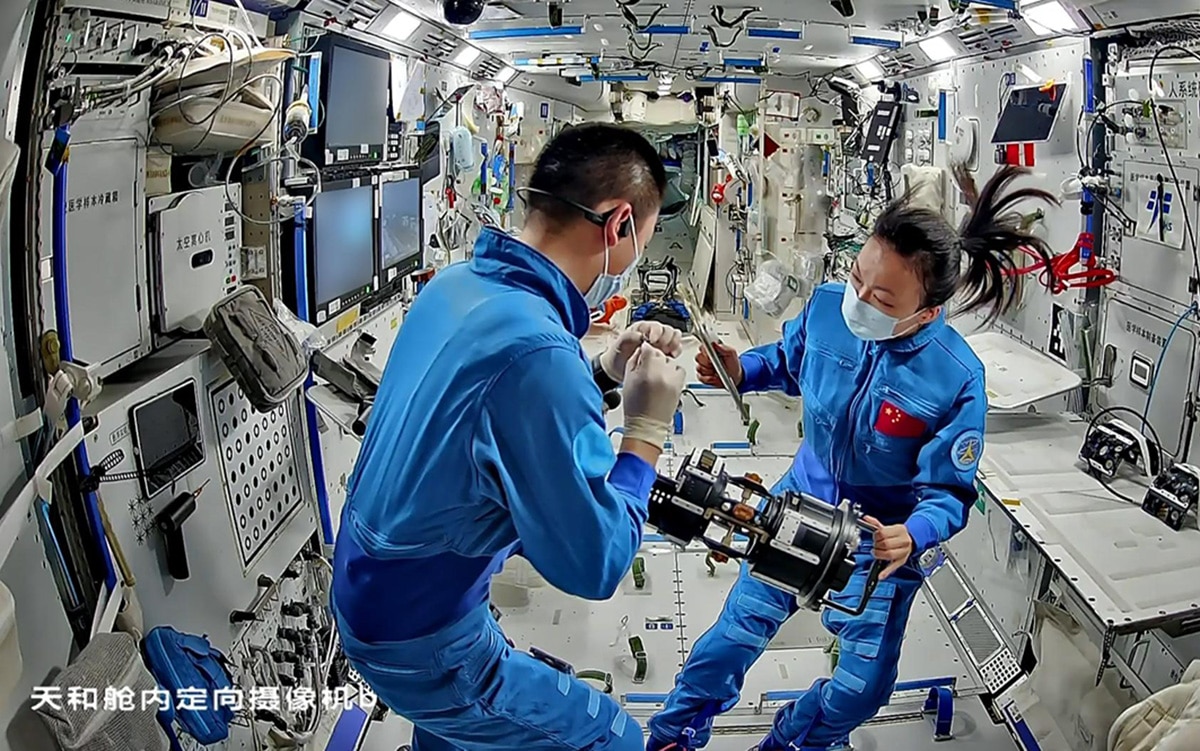
China has achieved what once belonged to science fiction — harvesting rice grown in orbit. Astronauts aboard the Tiangong space station collected the first batch of space-grown rice, opening a new chapter in the search for sustainable food production beyond Earth.
- 2/5
Moon Farming
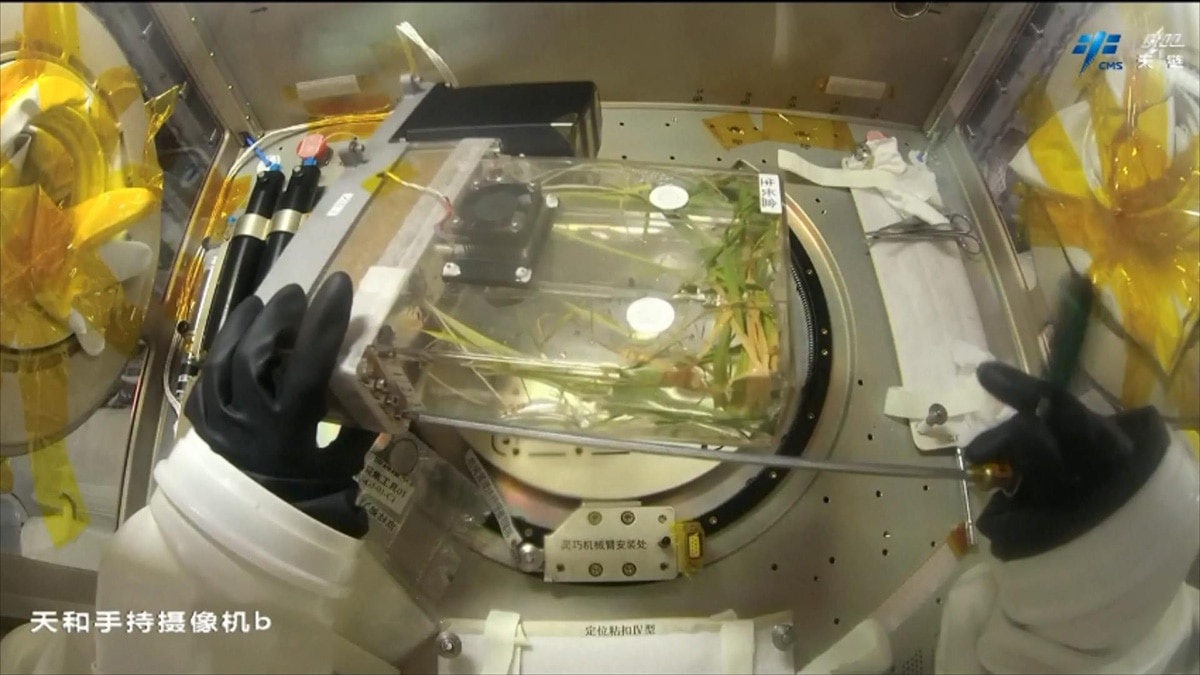
A bowl of rice grown on the Moon may sound impossible, but China’s latest experiment is pushing that idea closer to reality. Scientists are studying whether crops can survive and reproduce in space, a key step towards future lunar and Mars missions.
- 3/5
Orbital Seeds
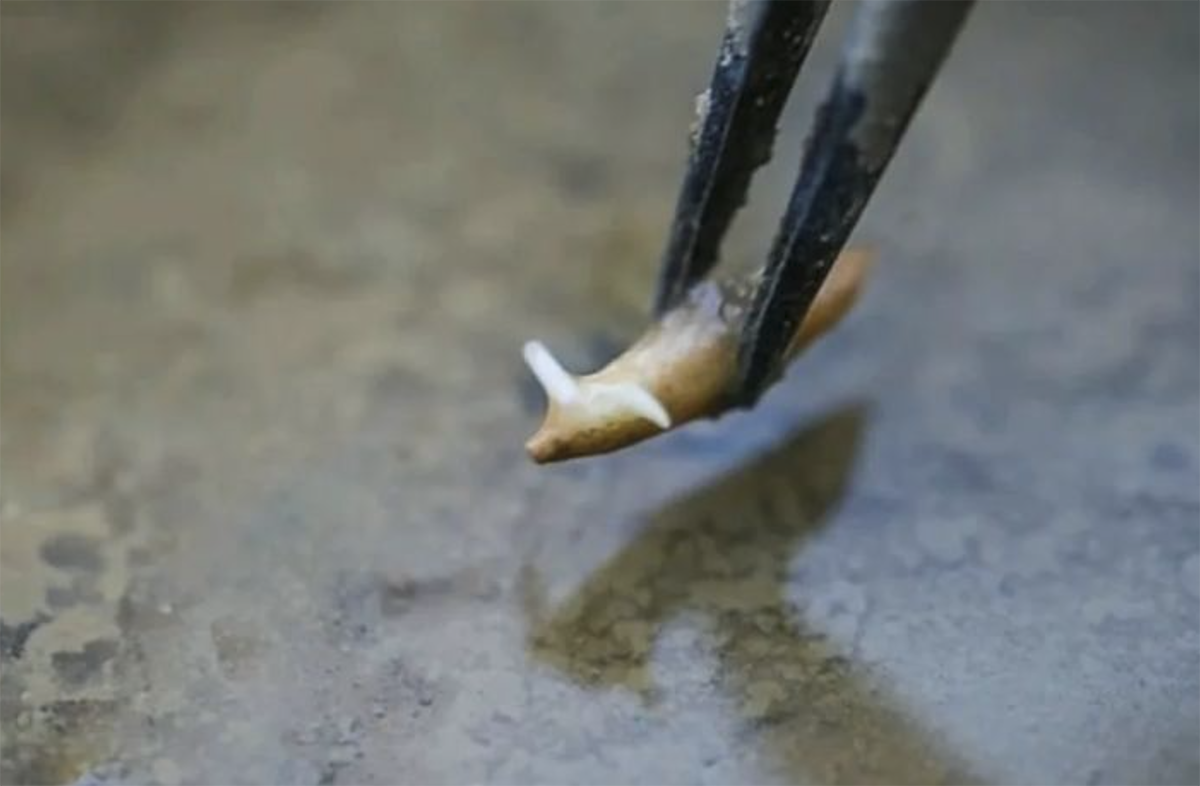
The experiment is not just about growing rice once — researchers are tracking how plants change across generations in microgravity. Seeds from earlier space-grown crops are being compared with ordinary varieties to understand whether space exposure creates stronger adaptations.
- 4/5
Space Roots
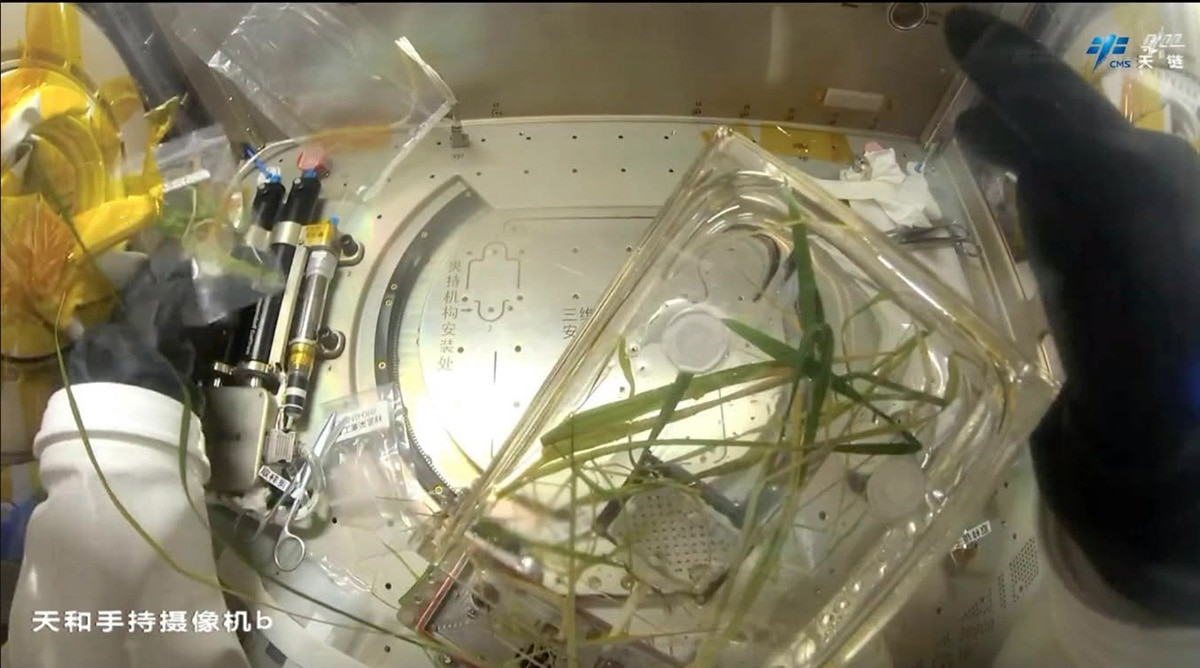
Beyond the rice grains, scientists are examining the hidden story inside the plant. Astronauts are preserving stems and leaves from the orbital harvest to study how microgravity affects plant growth and improve future space farming systems.
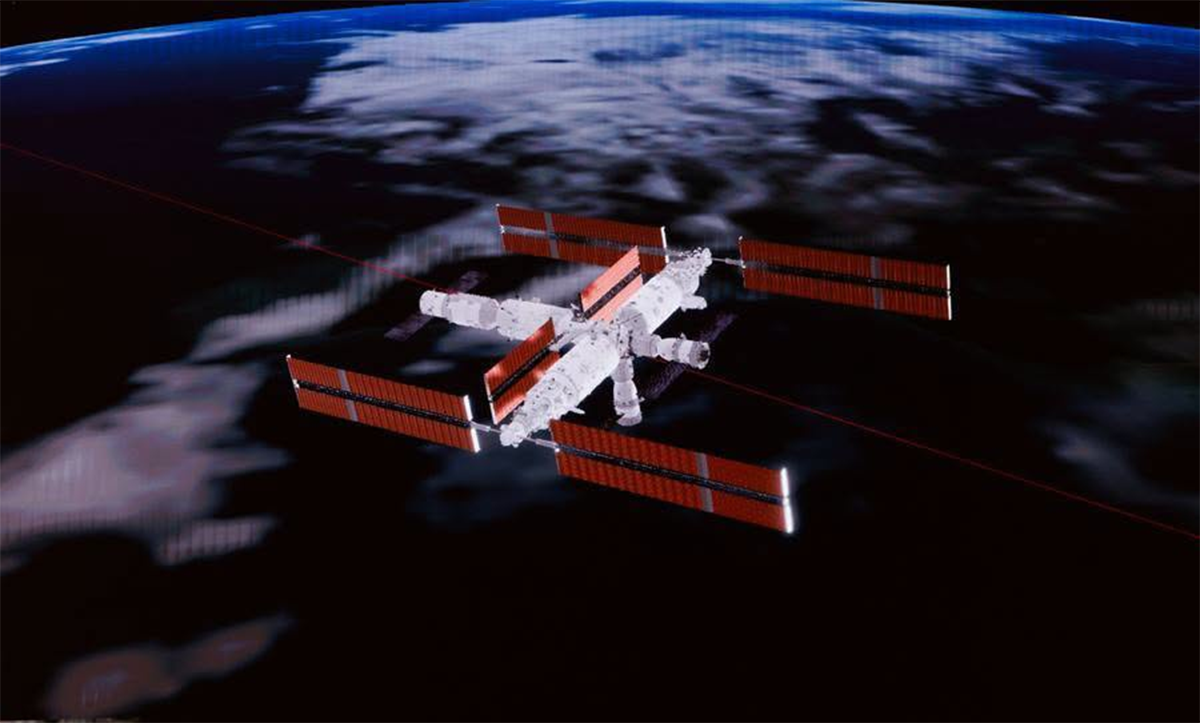
- 5/5
Cosmic Farms
China’s Tiangong experiment is part of a bigger race to build self-sufficient space habitats. By testing different cultivation methods, including ratooning and seed-to-seed growth, researchers are exploring how astronauts could produce fresh food during long journeys away from Earth.