
Evidence or invasion? Husband wins ₹15 lakh lawsuit after recording wife’s alleged affair, but gets jailed
What began as a clever way to gather evidence ended as a cautionary tale about privacy in the age of smart homes. The footage that secured Rs 15 lakh in compensation later secured him a five-month prison term.
- Aug 28, 2026,
- Updated Aug 29, 2026 5:01 PM IST
A high-tech household gadget helped a Taiwanese husband gather evidence of his wife’s alleged affair. But the same recording that helped him win compensation in a civil case later landed him in jail, highlighting the fine line between collecting evidence and violating someone’s privacy.
Toothbrush, parking camera and a ‘smart’ vacuum
The couple, who married in 2021, mostly used their holiday home during breaks, while the husband lived with his parents. His suspicions grew in September 2023 after he found a used toothbrush at the property. Parking surveillance footage later showed an unfamiliar man who had previously dropped his wife off.
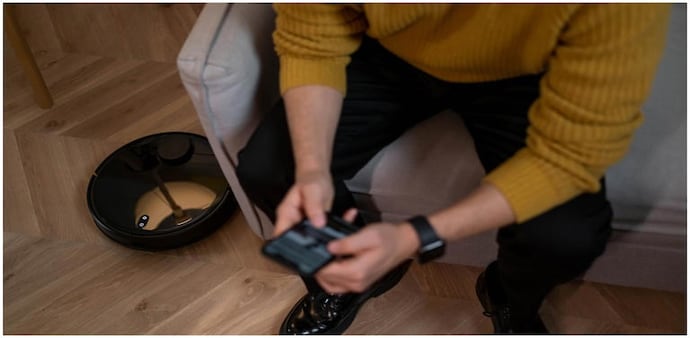
About three months later, the husband remotely activated the home’s robot vacuum through its app. The device was equipped with a camera and two-way audio, allowing him to monitor the house in real time.
Footage that helped him win a civil case
According to the South China Morning Post, the vacuum’s live feed captured the wife with another man inside the house. The husband recorded the footage, intending to use it as evidence in court.
The footage reportedly showed the woman changing clothes and sharing intimate moments with the man. He subsequently sued both of them for violating his marital rights and sought NT$2 million (about ₹57 lakh) in compensation.
A Taoyuan court found that the relationship had crossed the bounds of friendship and ordered the wife and the man to jointly pay NT$500,000 (roughly ₹15 lakh) in compensation.
However, the civil court victory did not end the matter. The recording itself became the subject of a separate criminal case.
When evidence becomes an offence
The wife then filed a criminal complaint, alleging that her husband had secretly recorded her private moments without her consent. He argued that the recording was justified because it had been admitted as evidence in the civil case.
The court disagreed, holding that marital obligations do not override an individual’s right to privacy. It found that the recording was deliberate and that any indicator lights or voice prompts from the vacuum did not amount to informed consent.
In other words, the fact that the footage had helped establish his claim in the civil case did not automatically make the way it was obtained lawful.
The husband was sentenced to five months in prison and fined NT$150,000 (around ₹4.5 lakh) for unlawfully recording private images.
Under the relevant law, secretly capturing or sharing another person’s private activities or intimate information can attract up to three years in prison and a fine of up to NT$300,000 (around ₹9 lakh).
ALSO READ: SC calls out ‘luxury litigation’, ends 11-year legal fight and imposes ₹5 lakh fine on both parties
A high-tech household gadget helped a Taiwanese husband gather evidence of his wife’s alleged affair. But the same recording that helped him win compensation in a civil case later landed him in jail, highlighting the fine line between collecting evidence and violating someone’s privacy.
Toothbrush, parking camera and a ‘smart’ vacuum
The couple, who married in 2021, mostly used their holiday home during breaks, while the husband lived with his parents. His suspicions grew in September 2023 after he found a used toothbrush at the property. Parking surveillance footage later showed an unfamiliar man who had previously dropped his wife off.
About three months later, the husband remotely activated the home’s robot vacuum through its app. The device was equipped with a camera and two-way audio, allowing him to monitor the house in real time.
Footage that helped him win a civil case
According to the South China Morning Post, the vacuum’s live feed captured the wife with another man inside the house. The husband recorded the footage, intending to use it as evidence in court.
The footage reportedly showed the woman changing clothes and sharing intimate moments with the man. He subsequently sued both of them for violating his marital rights and sought NT$2 million (about ₹57 lakh) in compensation.
A Taoyuan court found that the relationship had crossed the bounds of friendship and ordered the wife and the man to jointly pay NT$500,000 (roughly ₹15 lakh) in compensation.
However, the civil court victory did not end the matter. The recording itself became the subject of a separate criminal case.
When evidence becomes an offence
The wife then filed a criminal complaint, alleging that her husband had secretly recorded her private moments without her consent. He argued that the recording was justified because it had been admitted as evidence in the civil case.
The court disagreed, holding that marital obligations do not override an individual’s right to privacy. It found that the recording was deliberate and that any indicator lights or voice prompts from the vacuum did not amount to informed consent.
In other words, the fact that the footage had helped establish his claim in the civil case did not automatically make the way it was obtained lawful.
The husband was sentenced to five months in prison and fined NT$150,000 (around ₹4.5 lakh) for unlawfully recording private images.
Under the relevant law, secretly capturing or sharing another person’s private activities or intimate information can attract up to three years in prison and a fine of up to NT$300,000 (around ₹9 lakh).
ALSO READ: SC calls out ‘luxury litigation’, ends 11-year legal fight and imposes ₹5 lakh fine on both parties