
Emotional vibe check before commitment: Why India's Gen Z daters are auditing hearts before swiping right on love?
A new survey reveals how young Indians from metros and suburbs are prioritising mental readiness over rushed romance
- Apr 11, 2026,
- Updated Apr 11, 2026 9:00 AM IST
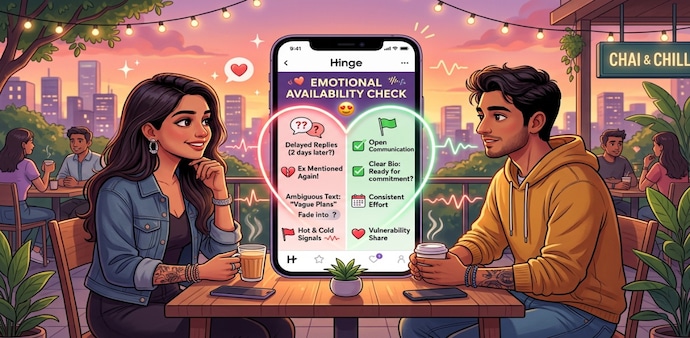
In the fast-paced world of swipes and chats, Gen Z daters aren't hasty with "boyfriend" or "girlfriend" tags. A new survey by Indian dating app QuackQuack uncovers why: they're mastering an "emotional availability check" as their ultimate pre-commitment filter.
Among 9,748 active users aged 18-28 from metros and Tier 2/3 suburbs, this trend signals a shift toward intentional dating, driven by lessons from loneliness, FOMO, and past heartbreaks.
QuackQuack Founder and CEO Ravi Mittal notes, "Younger daters are emotionally selective—preparing for love so they can hold onto it properly." This clarity is closing the gap between metro-savvy and suburban perceptiveness, with only an 8% difference in how quickly they spot red flags.
Emotional audit: The new vibe check
Over 43% of daters aged 22-28 admit to quietly assessing matches in the early chatting phase. They scan for subtle cues like delayed replies, inconsistent vibes, dodging personal questions, ex-talk, or lingering bitterness from past relationships. These aren't brushed off anymore; they're deal-breakers signalling unreadiness for a real connection.
Suburban daters match their metro peers in sharpness, proving dating awareness is spreading beyond big cities.
No more situationships
Eight in 10 respondents walk away if the "still figuring it out" phase lingers too long. Ghosting? Out. Intentional exits? In. Bios now boldly declare boundaries like "Surely want commitment" or "If unsure, scroll away," turning ambiguity, once romanticised, into an emotional risk to avoid.
Therapy speak goes mainstream
Words like "emotionally unavailable," "avoidant," and "healing" have jumped from therapy couches to dating chats. In Tier 1 cities, 38% of women and 26% of men have directly asked or been asked about emotional readiness. Bangalore's Ajay, 26, sums it up: "It's practical, not performative. After failed connections, we ask directly, no assumptions."
This trend reflects Gen Z's proactive maturity, blending experience with mental health awareness for stronger bonds.
In the fast-paced world of swipes and chats, Gen Z daters aren't hasty with "boyfriend" or "girlfriend" tags. A new survey by Indian dating app QuackQuack uncovers why: they're mastering an "emotional availability check" as their ultimate pre-commitment filter.
Among 9,748 active users aged 18-28 from metros and Tier 2/3 suburbs, this trend signals a shift toward intentional dating, driven by lessons from loneliness, FOMO, and past heartbreaks.
QuackQuack Founder and CEO Ravi Mittal notes, "Younger daters are emotionally selective—preparing for love so they can hold onto it properly." This clarity is closing the gap between metro-savvy and suburban perceptiveness, with only an 8% difference in how quickly they spot red flags.
Emotional audit: The new vibe check
Over 43% of daters aged 22-28 admit to quietly assessing matches in the early chatting phase. They scan for subtle cues like delayed replies, inconsistent vibes, dodging personal questions, ex-talk, or lingering bitterness from past relationships. These aren't brushed off anymore; they're deal-breakers signalling unreadiness for a real connection.
Suburban daters match their metro peers in sharpness, proving dating awareness is spreading beyond big cities.
No more situationships
Eight in 10 respondents walk away if the "still figuring it out" phase lingers too long. Ghosting? Out. Intentional exits? In. Bios now boldly declare boundaries like "Surely want commitment" or "If unsure, scroll away," turning ambiguity, once romanticised, into an emotional risk to avoid.
Therapy speak goes mainstream
Words like "emotionally unavailable," "avoidant," and "healing" have jumped from therapy couches to dating chats. In Tier 1 cities, 38% of women and 26% of men have directly asked or been asked about emotional readiness. Bangalore's Ajay, 26, sums it up: "It's practical, not performative. After failed connections, we ask directly, no assumptions."
This trend reflects Gen Z's proactive maturity, blending experience with mental health awareness for stronger bonds.