
Kishore Biyani’s Newest Pain Point in the Future Group-Amazon Saga
The independent directors of Future Retail have swung into action, targeting Amazon over a 2019 deal, and complicating an already convoluted situation
- Nov 26, 2021,
- Updated Nov 26, 2021 7:42 PM IST
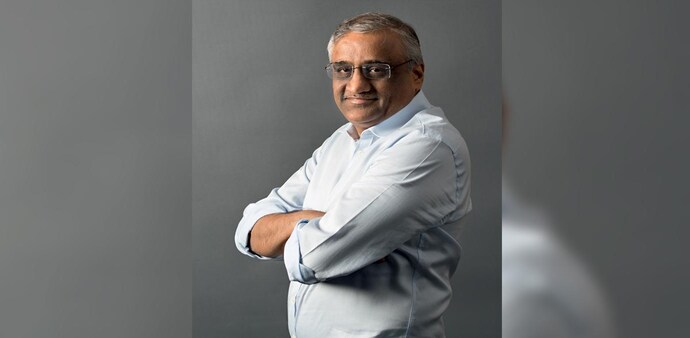
For Kishore Biyani, the period starting from last March has been most forgettable. A proposed deal to sell out his flagship did not go through after the Supreme Court restrained it and instead, ruled in favour of the Seattle-based Amazon.
The story goes back to Amazon picking up a 49 per cent stake in Future Coupons in August 2019, wherein the buyer had the option to completely acquire the company. Amazon got an indirect holding of 3.5 per cent in Future Retail Limited (FRL), which housed formats such as Big Bazaar, Easyday, fbb, HyperCity, etc. The deal brought in Rs 1,500 crore for debt-ridden Biyani.
Cut to the present, and FRL’s independent directors have swung into action, with one of them, Ravindra Dhariwal, saying, “When the promoters of FRL reached out to Amazon last March saying the company was in dire straits, there was no concrete help coming. Future Retail was under pressure since the deal had to be done by September, else they were facing a potential default.”
“With malls shutting down, the company found itself in a very challenging situation. This is a business that has thin margins and high fixed costs. Any significant drop in volumes or revenue is a serious challenge to cash flows and loan repayments,” he said. Responding to queries, an Amazon spokesperson said, “Amazon has always remained proactive, transparent and forthright in its various submissions. Allegations of inconsistencies in Amazon’s filings to regulators in the ongoing litigation with Future Group are misleading attempts by interested parties. Moreover, we had consistently offered to assist FRL during the economic downturn caused by Covid-19 and reiterated our openness for a dialogue even during the Delhi High Court hearings.” The issue blew up into a crisis in the first week of November when FRL’s independent directors became aware of Amazon’s internal documents.
As per Dhariwal, they stated that the investment (made in Future Coupons and FRL thereon) was clearly strategic. “The intent clearly, if laws permitted, was to buy over Future Retail and if that was not possible, ensure it did not go to competition—even if it meant destruction of the company or job losses or banks not getting back their money,” he says. The independent directors have also written to the Competition Commission of India to revoke the approval for the Future Coupons-Amazon deal. “For Amazon, the entire investment was only $200 million, which is a small sum for them. For such a strategic outcome of not letting your competitor gain FRL, this was a small price to pay.”
There have been many bitter moments along the way and this is only one more in the rocky relationship between Amazon and Biyani. For a deal that should have been sewn up much earlier, it has not just got delayed, but remains in limbo.
For Kishore Biyani, the period starting from last March has been most forgettable. A proposed deal to sell out his flagship did not go through after the Supreme Court restrained it and instead, ruled in favour of the Seattle-based Amazon.
The story goes back to Amazon picking up a 49 per cent stake in Future Coupons in August 2019, wherein the buyer had the option to completely acquire the company. Amazon got an indirect holding of 3.5 per cent in Future Retail Limited (FRL), which housed formats such as Big Bazaar, Easyday, fbb, HyperCity, etc. The deal brought in Rs 1,500 crore for debt-ridden Biyani.
Cut to the present, and FRL’s independent directors have swung into action, with one of them, Ravindra Dhariwal, saying, “When the promoters of FRL reached out to Amazon last March saying the company was in dire straits, there was no concrete help coming. Future Retail was under pressure since the deal had to be done by September, else they were facing a potential default.”
“With malls shutting down, the company found itself in a very challenging situation. This is a business that has thin margins and high fixed costs. Any significant drop in volumes or revenue is a serious challenge to cash flows and loan repayments,” he said. Responding to queries, an Amazon spokesperson said, “Amazon has always remained proactive, transparent and forthright in its various submissions. Allegations of inconsistencies in Amazon’s filings to regulators in the ongoing litigation with Future Group are misleading attempts by interested parties. Moreover, we had consistently offered to assist FRL during the economic downturn caused by Covid-19 and reiterated our openness for a dialogue even during the Delhi High Court hearings.” The issue blew up into a crisis in the first week of November when FRL’s independent directors became aware of Amazon’s internal documents.
As per Dhariwal, they stated that the investment (made in Future Coupons and FRL thereon) was clearly strategic. “The intent clearly, if laws permitted, was to buy over Future Retail and if that was not possible, ensure it did not go to competition—even if it meant destruction of the company or job losses or banks not getting back their money,” he says. The independent directors have also written to the Competition Commission of India to revoke the approval for the Future Coupons-Amazon deal. “For Amazon, the entire investment was only $200 million, which is a small sum for them. For such a strategic outcome of not letting your competitor gain FRL, this was a small price to pay.”
There have been many bitter moments along the way and this is only one more in the rocky relationship between Amazon and Biyani. For a deal that should have been sewn up much earlier, it has not just got delayed, but remains in limbo.