
Matchas Over Margaritas: How Gen Z is curating its buzz rather than chasing it
Matchas Over Margaritas: How Gen Z is curating its buzz rather than chasing it
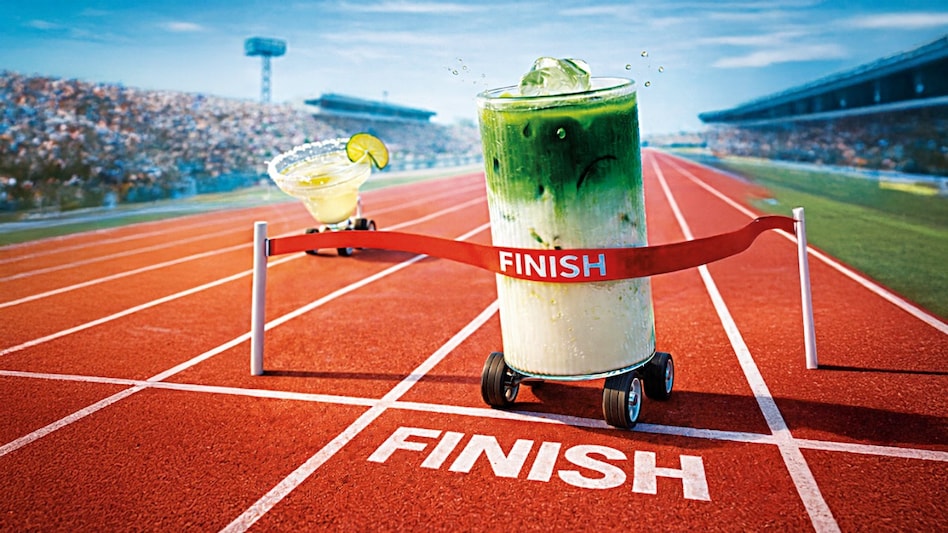
The nights look the same, but the glass doesn't; Gen Z is curating its buzz rather than chasing it.
Sonali
- Jan 30, 2026,
- Updated Jan 30, 2026 1:36 PM IST
While eyeing a table split between lager, Picante, and neon‑green fizz, Vikas Narula, Co-founder of Depot48, thinks out loud: “They’re not ditching margaritas, they’re adding matcha and kombucha to the mix.” The man behind the culture‑forward bar in the capital is speaking about Gen Z’s drinking habits. “They want range. It’s not a switch; it’s a spectrum.”
Hey!
Already a subscriber? Sign In
THIS IS A PREMIUM STORY FROM BUSINESS TODAY.
Subscribe to Business Today Digital and continue enjoying India's premier business offering uninterrupted
only FOR
₹999 / Year
Unlimited Digital Access + Ad Lite Experience
Cancel Anytime
-
 Unlimited access to Business Today website
 -
 Exclusive insights on Corporate India's working, every quarter
 -
 Access to our special editions, features, and priceless archives
 -
 Get front-seat access to events such as BT Best Banks, Best CEOs and Mindrush
While eyeing a table split between lager, Picante, and neon‑green fizz, Vikas Narula, Co-founder of Depot48, thinks out loud: “They’re not ditching margaritas, they’re adding matcha and kombucha to the mix.” The man behind the culture‑forward bar in the capital is speaking about Gen Z’s drinking habits. “They want range. It’s not a switch; it’s a spectrum.”
Advertisement
Narula’s hypothesis raises a pertinent question: Is this generation really sober, or are they just ‘multi-tasting?’
“If anything, they’re more curious and experimental,” adds Narula.
Just Sober‑curious
By most measures, Gen Z really is rethinking its relationship with alcohol, even if they haven’t typically broken up with it. The trend is global. According to market research company Circana’s 2025 “Sober Curious Nation” update, nearly two in three (65%) Gen Zers said that they planned to drink less in 2025, and roughly four in ten said they wanted a fully dry lifestyle.
The motivations are very personal. “I hate the physical aftermath—the vomiting, nausea, hangover,” says Sheya Kurian, a 27-year-old working in Delhi.
Advertisement
Health, money, and especially mental health dominate; a sizable Gen Z cohort reports going alcohol‑free specifically to protect their anxiety, sleep, and productivity.
Salloni Ghodawat, CEO of Ghodawat Consumer Ltd, running the non-alcoholic beer brand Coolberg, reflects on this trend. “At the core of this movement is a profound shift in values. Indian youth are more health-conscious than ever before.” Rohan (name changed), a 26-year-old fitness enthusiast who quit drinking in 2022 to focus on weight loss and workouts, says, “I’ve stayed sober since then and never looked back.”
“At the core of this movement is a profound shift in values. Indian youth are more health-conscious than ever before.”
- Salloni Ghodawat,CEO, Ghodawat Consumer Ltd (Non-Alcoholic Beer Brand Coolberg)
Bacardi’s cocktail trends report, tracking global patterns for a spirits giant with a strong India footprint summarises the shift this way: “Gen Z isn’t drinking less, they’re simply drinking earlier, lighter, and with more intention.”
Advertisement
The BT-PRICE Survey shows that 10% of Gen Z consumes alcohol; 13% consume cigarettes only. It also highlights that 17% consume both.
From “mocktail” to the zero‑proof era
If Gen Z is damp rather than dry, the no- and low-ABV category has been one of the earliest and clearest beneficiaries. According to an Invest India report, ‘Seed to Sip-India’s rise as a hotspot for beverage investments,’ India’s non-alcoholic beverages market will possibly reach $88.25 billion in 2027, up from $38.03 billion in 2022, a CAGR of 18.3%.
That shift has pushed non-alcoholic drinks far beyond novelty. “Requests for no- and low-ABV menus have become almost integral with clients,” says Sai Harish, Head of Marketing & Communications at flavour manufacturer MONIN India. For brands behind the bar, the change shows up in flavour choices. “Yuzu, matcha, berry blends, tropical fruits, and spice-forward profiles have gained strong traction,” Harish notes.
For Vansh Pahuja, founder of Sober, billed as India’s first non‑alcoholic spirits brand, the shift was driven less by flavour trends and more by lived gaps in the drinking culture.
India’s sober story
While global surveys tell one part of the story, India’s metro cities are writing their own version.
Advertisement
At bars in Delhi and Bengaluru, non‑alcoholic gin and whiskey cocktails are increasingly appearing on bar menus so guests can “party with non‑alcoholic spirits”.
“Bengaluru cafés see stronger non alcoholic uptake because of the work-from-laptop crowd. Delhi bars, especially early-evening and pre-gig hours, trend more towards low-ABV,” says Depot48’s Narula.
However, at Depot48 in Delhi, the numbers don’t scream complete sobriety, but they do whisper moderation, suggesting the balance that Gen Z wants to maintain.
Among 22–28‑year‑olds, “70–80% of the spend for this age group is still classic alcohol,” says Narula. “Mocktails and zero‑proof drinks are growing, but they don’t dominate the bill.
They [Gen Z] were raised in that period of COVID where they really understood the wellness aspect… This is the generation that really reads the label.
- Vansh Pahuja,Founder of Sober, India’s first non‑alcoholic spirits brand
Backing this argument, Vishaal Shah, co-founder of Unsobered Moe’s Art, an ABV platform, adds, “Mindful drinking, low-ABV options, and hangover-free weekends do show up, and the interest for them is growing, but they’re working off a very small base.” In terms of business for bars, Pahuja argues that having a non‑alcoholic menu helps increase the sale of alcohol.
In a group of four where one person doesn’t drink, “they are more likely to convince everybody else that ‘I know a bar where they have a fantastic cocktail programme, but they also have something for me.’ So those four people are choosing your bar… because you have an option for both.”
Advertisement
Matcha over Margarita
If zero‑proof spirits are building a parallel rail next to alcohol, matcha is reigning the slots where coffee, energy drinks, and even “casual mid‑week” drinks used to sit.
“When we started Bree Matcha, the gap in India was very clear,” says Co‑founder Siddharth Shah. “Boomers had their chai, millennials have their coffee, so matcha would find a home in Gen Z audiences.”
According to global reports, Gen Z increasingly uses functional drinks—matcha, kombucha, and adaptogenic lattes as mood tools and social signifiers, rather than just caffeine delivery systems.
Then come the matcha “raves”.
Matcha’s dual pull— pretty and practical—tracks neatly with Gen Z’s broader beverage choices.
Vibe‑first, buzz‑later
There is a clear rejig of priorities. As global analysts of Gen Z drink trends put it, this is a generation that “chases experiences rather than categories.”
But earlier generations did versions of this too; they just didn’t have the language. “The behaviour has evolved, the intent has changed, but the participation hasn’t disappeared,” Shah says.
So, what sits in a young Delhiite’s glass in 2030? Pahuja imagines a world where that one‑in‑five NA drinker in his bar becomes one‑in‑two. Harish envisions menus where nearly half of the listed beverages are no- or low-ABV. Siddharth Shah sees matcha not only replacing second coffees but also quietly occupying “casual alcohol moments” across the week.
Advertisement
Ghodawat reflects on a changing attitude just this year. “In 2026, ‘sober is the new cool’ will be more than a slogan. It will be the reality shaping how a new generation of Indians chooses to celebrate confidently, raising a glass of something clear, creative, and alcohol-free,” she says.
If the 2010s sold the fantasy of bottomless brunches and blackout nights, the 2020s are selling something subtler, something soberer: a carefully composed feed where you can down a Picante on Friday, make a 6 am run club on Saturday and still post your matcha at golden hour—vibe intact, buzz optional.
@not_sonali
Read more!