
The Secret behind the 109% jump in PNB’s FY25 Profits
The country's second-largest public sector lender kept laser-sharp focus on asset quality and operational profits. This, coupled with tax savings, makes it well-placed for FY26.
Surabhi
- Sep 11, 2025,
- Updated Sep 11, 2025 4:43 PM IST
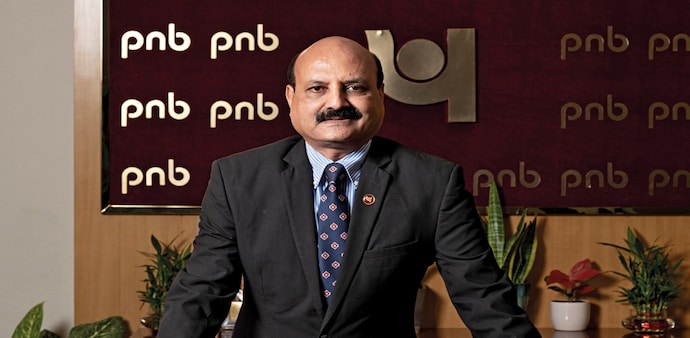
“We have set a target that operating profit should be the top agenda. Whatever we do should, in some way, contribute to the operating profit.” Ashok Chandra, Managing Director and CEO, has clearly set the agenda at Punjab National Bank (PNB).
Hey!
Already a subscriber? Sign In
THIS IS A PREMIUM STORY FROM BUSINESS TODAY.
Subscribe to Business Today Digital and continue enjoying India's premier business offering uninterrupted
only FOR
₹999 / Year
Unlimited Digital Access + Ad Lite Experience
Cancel Anytime
-
 Unlimited access to Business Today website
 -
 Exclusive insights on Corporate India's working, every quarter
 -
 Access to our special editions, features, and priceless archives
 -
 Get front-seat access to events such as BT Best Banks, Best CEOs and Mindrush
“We have set a target that operating profit should be the top agenda. Whatever we do should, in some way, contribute to the operating profit.” Ashok Chandra, Managing Director and CEO, has clearly set the agenda at Punjab National Bank (PNB).
The Performance
PNB—the country’s second-largest state-owned lender—has been building up on its profitability over the years. In FY25, standalone operating profit rose 7.6% to Rs 26,831 crore, from Rs 24,931 in FY24. Standalone net profit more than doubled to Rs 16,630 crore in FY25, from Rs 8,245 crore in FY24, and consolidated profit after tax (PAT) saw a lofty rise of 109% from Rs 8,329 crore to Rs 17,440 crore.
Advertisement
No wonder the bank is on the list of firms that have seen the highest growth in PAT among companies with one-year average m-cap of Rs 10,000 crore and above and minimum profit of Rs 1,000 crore in FY25. It has secured the 22nd rank in the BT500 list and is the eighth most profitable lender. Chandra attributes this to the strategy of keeping a check on non-performing assets and improving asset quality.
Analysts are upbeat about the bank. Asutosh Mishra, Head of Research, Ashika Institutional Equity, says net profit more than doubled in FY25 due to a structural improvement in asset quality and strong operating performance.
Chandra says migration to the new tax regime will create additional value for stakeholders. “Going forward, I think the net profit will improve,” he says, adding that this will save about Rs 700 crore in tax every quarter. The migration to the new tax regime had meant a hit of Rs 3,324 crore in the April–June quarter due to a mandatory provisioning linked to deferred tax assets. This had sharply reduced the quarterly net profit.
Advertisement
The Strategy
Chandra is upbeat about the banking sector with expectations of improvement in credit demand, especially from corporates, in view of rate cuts by the Reserve Bank of India. He also expects a revival in the capex cycle.
The other priority for the bank, says Chandra, is growing the retail, agriculture, and MSME portfolio (RAM) to 60% of the loan book from about 56% now. The contribution of the corporate portfolio will be 40%.
This is not all. It’s busier than usual at PNB. The lender is focussing on building up its credit card vertical and pushing the recently-launched cash management services wherein it plans to focus on supply chain financing, vendor financing and dealer financing. Chandra sees a big market for cash management services which has just a few players as it requires a robust digital framework.
Advertisement
PNB is also working on expanding its credit card business with a separate vertical and plans to onboard at least 300,000 customers this fiscal to take its total credit card customers to one million by the end of FY26.
“We will be aggressive in the credit card market,” Chandra says, noting that it is a profitable business.
The bank is also looking forward to the listing of Canara HSBC Life Insurance. It currently holds 23% stake in the insurer of which it plans to sell 10%. The listing is likely by the third quarter of the fiscal.
The outlook for India’s banking sector is largely favourable and lenders seem to have entered FY26 on a strong footing with healthy balance sheets, good credit growth, and solid asset quality.
Mishra of Ashika Institutional Equity expects a healthy system-wide credit growth of 12–14% led by retail, MSME, infrastructure, and government spending. However, profitability will depend on how quickly margins stabilise and funding costs normalise, he says.
Key challenges include margin compression from the ongoing reversal of the rate cycle, elevated competition for deposits from private and small finance banks, and potential stress pockets in small-ticket unsecured retail, MSME, and agriculture loans, he says, adding that any adverse fallout from global trade tensions could also impact the Indian banking sector.
Advertisement
PNB seems to be on course to deliver an all-round performance in FY26 as well.
@surabhi_prasad
Read more!