
Inside NSE's cyber fortress: Millions of attacks, zero breaches
As investors queue up for the exchange’s mega share sale, a rare look at NSE’s homegrown technological muscle and defence systems reveals how its cyber warriors successfully thwarted millions of attacks, including during Operation Sindoor.
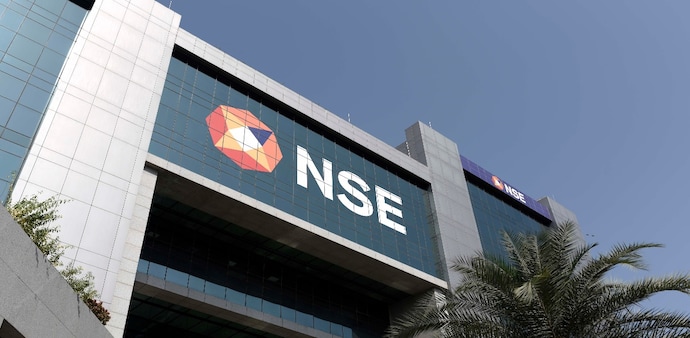
- Sep 17, 2026,
- Updated Sep 17, 2026 3:22 PM IST
It was an unusually tense 5 a.m. on a Wednesday at the National Stock Exchange’s air-gapped cyber-defence unit in Bandra Kurla Complex.
Six large television screens in a darkened hall on the sixth floor displayed a global map, with lightning-fast streams of data flowing from Turkey, China and Ukraine towards Mumbai, India’s financial heartbeat. Around 20 people were hunched over dual screens, typing feverishly.
It was May 7, 2025, and Operation Sindoor was in full swing as the Indian armed forces targeted Pakistan-based terrorist infrastructure. Meanwhile, ‘barbarians were knocking at the NSE’s cyber gates’.
Nearly 4 million cyberattacks hit the NSE’s world-class IT infrastructure even as the IAF’s Sukhoi-30MKIs and Rafale fighter aircraft struck terrorist training camps at nine locations across Pakistan. Thousands of hostile hackers, inimical to India’s economic, military and political resolve, aimed to disrupt NSE’s 9 a.m. pre-open session, where 200 million investors log in each morning.
Not one hacker succeeded, thanks to the NSE’s undefeated army of software engineers, whose cyber victories are rarely made public. The team works 24x7x365, thwarting attacks that mainly originate from Ankara, Islamabad and large parts of Asia. During marquee events such as the G20 Summit, India-Pakistan cricket matches, and major national and state elections, the intensity of attacks rises, the team head says.
The NSE official from the cyber team briefed Business Today TV on the daily battles his team wins, helping the exchange clock 5 million transactions every second without a glitch. He declined to be named, and his workspace is inaccessible to all NSE employees except his team.
This is one of the many facets of the soon-to-be-listed NSE, whose Rs 22,600 crore offer for sale gets underway on September 17. This is the second biggest public offer in India after Hyundai Motor India in 2024 worth Rs 27,900 crore
Over the last three decades, the National Stock Exchange has championed financial inclusion, wealth creation and wider investor participation in the world’s fastest-growing major economy. The bourse has been a magnet for global, institutional and retail investors buying into India’s expanding GDP.
UPI or NSE, which is bigger?
Almost everyone who has used India’s hugely popular Unified Payments Interface (UPI) has marvelled at the seamless manner in which a record 24.5 billion digital transactions take place each month.
In contrast, the NSE clocks that number each day, as its digital infrastructure on the sixth floor seamlessly channels about one-third of the wealth held by 1.4 billion Indians.
The exchange’s core digital platform is its biggest asset, and its tech spend rose 29% to Rs 1,312 crore in the financial year to March 2026. The NSE has been fully automated since its first day of operations in the early 1990s.
Nine large screens show hundreds of critical data points related to the NSE’s five main trading operations: futures and options, the equity cash market, the securities lending and borrowing mechanism, commodity derivatives, and currency derivatives.
Each of the 24 electronic gateways matches more than 275,000 orders per second, using hardware and software programmes developed by the bourse’s own tech team “because foreign vendors declined to accept the contract due to the size of the order flow," says the head of the NSE’s technology team.
Meanwhile, anchor investors are lining up on Dalal Street for an early chance to participate in the NSE’s offer for sale. About Rs 6,700 crore worth of shares, priced between Rs 1,700 and Rs 1,785 apiece, have been subscribed more than 20 times. NSE shares will be listed on the rival Bombay Stock Exchange on September 24.
It was an unusually tense 5 a.m. on a Wednesday at the National Stock Exchange’s air-gapped cyber-defence unit in Bandra Kurla Complex.
Six large television screens in a darkened hall on the sixth floor displayed a global map, with lightning-fast streams of data flowing from Turkey, China and Ukraine towards Mumbai, India’s financial heartbeat. Around 20 people were hunched over dual screens, typing feverishly.
It was May 7, 2025, and Operation Sindoor was in full swing as the Indian armed forces targeted Pakistan-based terrorist infrastructure. Meanwhile, ‘barbarians were knocking at the NSE’s cyber gates’.
Nearly 4 million cyberattacks hit the NSE’s world-class IT infrastructure even as the IAF’s Sukhoi-30MKIs and Rafale fighter aircraft struck terrorist training camps at nine locations across Pakistan. Thousands of hostile hackers, inimical to India’s economic, military and political resolve, aimed to disrupt NSE’s 9 a.m. pre-open session, where 200 million investors log in each morning.
Not one hacker succeeded, thanks to the NSE’s undefeated army of software engineers, whose cyber victories are rarely made public. The team works 24x7x365, thwarting attacks that mainly originate from Ankara, Islamabad and large parts of Asia. During marquee events such as the G20 Summit, India-Pakistan cricket matches, and major national and state elections, the intensity of attacks rises, the team head says.
The NSE official from the cyber team briefed Business Today TV on the daily battles his team wins, helping the exchange clock 5 million transactions every second without a glitch. He declined to be named, and his workspace is inaccessible to all NSE employees except his team.
This is one of the many facets of the soon-to-be-listed NSE, whose Rs 22,600 crore offer for sale gets underway on September 17. This is the second biggest public offer in India after Hyundai Motor India in 2024 worth Rs 27,900 crore
Over the last three decades, the National Stock Exchange has championed financial inclusion, wealth creation and wider investor participation in the world’s fastest-growing major economy. The bourse has been a magnet for global, institutional and retail investors buying into India’s expanding GDP.
UPI or NSE, which is bigger?
Almost everyone who has used India’s hugely popular Unified Payments Interface (UPI) has marvelled at the seamless manner in which a record 24.5 billion digital transactions take place each month.
In contrast, the NSE clocks that number each day, as its digital infrastructure on the sixth floor seamlessly channels about one-third of the wealth held by 1.4 billion Indians.
The exchange’s core digital platform is its biggest asset, and its tech spend rose 29% to Rs 1,312 crore in the financial year to March 2026. The NSE has been fully automated since its first day of operations in the early 1990s.
Nine large screens show hundreds of critical data points related to the NSE’s five main trading operations: futures and options, the equity cash market, the securities lending and borrowing mechanism, commodity derivatives, and currency derivatives.
Each of the 24 electronic gateways matches more than 275,000 orders per second, using hardware and software programmes developed by the bourse’s own tech team “because foreign vendors declined to accept the contract due to the size of the order flow," says the head of the NSE’s technology team.
Meanwhile, anchor investors are lining up on Dalal Street for an early chance to participate in the NSE’s offer for sale. About Rs 6,700 crore worth of shares, priced between Rs 1,700 and Rs 1,785 apiece, have been subscribed more than 20 times. NSE shares will be listed on the rival Bombay Stock Exchange on September 24.