
NSE IPO opens tomorrow: Brokerage weighs growth prospects, valuation; what GMP indicates
At the upper end of the price band, NSE's market capitalisation (m-cap) is estimated at around Rs 4.42 lakh crore. The face value of each share is Re 1, while the market lot is 8 equity shares. Eligible employees will receive a discount of Rs 170 per share.
- Sep 16, 2026,
- Updated Sep 16, 2026 5:50 PM IST
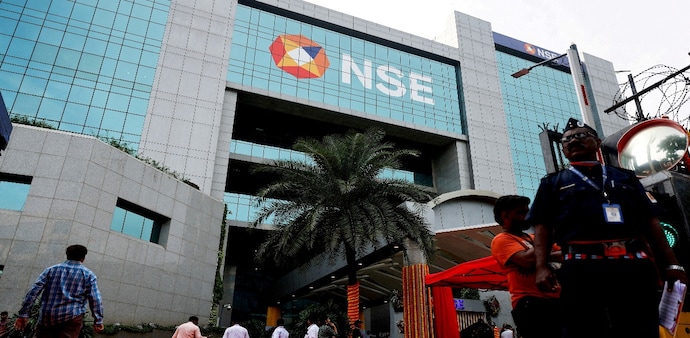
The initial public offering (IPO) of the National Stock Exchange of India (NSE) will open for subscription on September 17 (Thursday) and close on September 21, 2026 (Monday). The issue has a price band of Rs 1,700-1,785 per share and comprises an offer for sale (OFS) of Rs 22,562 crore.
At the upper end of the price band, NSE's market capitalisation (m-cap) is estimated at around Rs 4.42 lakh crore. The face value of each share is Re 1, while the market lot is 8 equity shares. Eligible employees will receive a discount of Rs 170 per share.
Religare Broking has assigned a 'Neutral' rating to the IPO, citing the exchange's strong market position and long-term growth opportunities alongside valuation and regulatory concerns.
"India's capital markets present significant growth opportunities, supported by rising investor participation, increasing m-cap, expanding mutual fund assets and greater adoption of passive investment products," the brokerage said.
NSE's registered investor base increased from 30.87 million in March 2020 to 132.37 million by June 2026, while India's mutual fund assets under management reached Rs 82.22 lakh crore in June 2026, Religare noted.
"Passive fund AUM and index-fund adoption are also expanding, creating opportunities for NSE across trading, index services, market data and clearing. Growing fund mobilisation, financial inclusion and increasing participation across Indian postal codes further support the exchange’s long-term growth prospects," it said.
NSE financial performance
NSE's revenue from operations stood at Rs 16,601.31 crore in FY26, compared with Rs 17,140.68 crore in FY25 and Rs 14,780.01 crore in FY24.
Profit after tax (PAT) declined to Rs 10,302.06 crore in FY26 from Rs 12,187.69 crore in FY25. Operating EBITDA stood at Rs 11,097.90 crore, against Rs 12,646.88 crore in the previous fiscal.
The operating EBITDA margin moderated to 66.85 per cent in FY26 from 73.78 per cent in FY25, while the PAT margin declined to 50.98 per cent from 55.30 per cent.
Valuation and key risk
Religare said NSE's IPO valuation reflects its established market position and future growth potential.
"At a P/E of 42.9x, the valuation reflects the company's established market position and future growth potential, while leaving limited room for earnings disappointments," the brokerage said.
It added that regulatory developments, including Sebi measures on options trading, remain key factors influencing trading volumes and transaction-based income.
"While the long-term growth opportunity in India's capital markets remains favourable, the sustainability of earnings growth will depend on trading activity, regulatory stability and continued market participation," Religare said.
"Given the balance between structural growth opportunities, regulatory uncertainties and valuation considerations, we assign a Neutral rating," it added.
The brokerage also highlighted NSE's dependence on transaction-based income as a key risk.
"NSE faces significant risks from any decline in the volume and value of transactions, which could reduce transaction-based income and adversely affect growth. Its high dependence on transaction charges, particularly from the options business, increases sensitivity to trading activity," Religare further stated.
Separately, Ravi Singh, Chief Research Officer at Master Capital Services, said, "Subscribing to this IPO depends on an investor's objective. NSE's IPO is entirely an OFS, meaning the company will not receive fresh capital from the issue. The latest GMP is at around 9 per cent. NSE trades at 42.9x P/E, lower than BSE's 53.3x, while offering higher revenue and PAT with similar EBITDA margins. Investors looking for listing gains may consider applying at the IPO price. However, for long-term investors, NSE’s strong financials and growth potential may support participation, with scope to add on dips after listing."
The initial public offering (IPO) of the National Stock Exchange of India (NSE) will open for subscription on September 17 (Thursday) and close on September 21, 2026 (Monday). The issue has a price band of Rs 1,700-1,785 per share and comprises an offer for sale (OFS) of Rs 22,562 crore.
At the upper end of the price band, NSE's market capitalisation (m-cap) is estimated at around Rs 4.42 lakh crore. The face value of each share is Re 1, while the market lot is 8 equity shares. Eligible employees will receive a discount of Rs 170 per share.
Religare Broking has assigned a 'Neutral' rating to the IPO, citing the exchange's strong market position and long-term growth opportunities alongside valuation and regulatory concerns.
"India's capital markets present significant growth opportunities, supported by rising investor participation, increasing m-cap, expanding mutual fund assets and greater adoption of passive investment products," the brokerage said.
NSE's registered investor base increased from 30.87 million in March 2020 to 132.37 million by June 2026, while India's mutual fund assets under management reached Rs 82.22 lakh crore in June 2026, Religare noted.
"Passive fund AUM and index-fund adoption are also expanding, creating opportunities for NSE across trading, index services, market data and clearing. Growing fund mobilisation, financial inclusion and increasing participation across Indian postal codes further support the exchange’s long-term growth prospects," it said.
NSE financial performance
NSE's revenue from operations stood at Rs 16,601.31 crore in FY26, compared with Rs 17,140.68 crore in FY25 and Rs 14,780.01 crore in FY24.
Profit after tax (PAT) declined to Rs 10,302.06 crore in FY26 from Rs 12,187.69 crore in FY25. Operating EBITDA stood at Rs 11,097.90 crore, against Rs 12,646.88 crore in the previous fiscal.
The operating EBITDA margin moderated to 66.85 per cent in FY26 from 73.78 per cent in FY25, while the PAT margin declined to 50.98 per cent from 55.30 per cent.
Valuation and key risk
Religare said NSE's IPO valuation reflects its established market position and future growth potential.
"At a P/E of 42.9x, the valuation reflects the company's established market position and future growth potential, while leaving limited room for earnings disappointments," the brokerage said.
It added that regulatory developments, including Sebi measures on options trading, remain key factors influencing trading volumes and transaction-based income.
"While the long-term growth opportunity in India's capital markets remains favourable, the sustainability of earnings growth will depend on trading activity, regulatory stability and continued market participation," Religare said.
"Given the balance between structural growth opportunities, regulatory uncertainties and valuation considerations, we assign a Neutral rating," it added.
The brokerage also highlighted NSE's dependence on transaction-based income as a key risk.
"NSE faces significant risks from any decline in the volume and value of transactions, which could reduce transaction-based income and adversely affect growth. Its high dependence on transaction charges, particularly from the options business, increases sensitivity to trading activity," Religare further stated.
Separately, Ravi Singh, Chief Research Officer at Master Capital Services, said, "Subscribing to this IPO depends on an investor's objective. NSE's IPO is entirely an OFS, meaning the company will not receive fresh capital from the issue. The latest GMP is at around 9 per cent. NSE trades at 42.9x P/E, lower than BSE's 53.3x, while offering higher revenue and PAT with similar EBITDA margins. Investors looking for listing gains may consider applying at the IPO price. However, for long-term investors, NSE’s strong financials and growth potential may support participation, with scope to add on dips after listing."