
Supreme Court allows NSE-Sebi co-location case settlement, disposes of pleas: Report
According to the report, the appeals were filed by Sebi challenging the SAT's decision to set aside the regulator's disgorgement order against NSE in the co-location case.
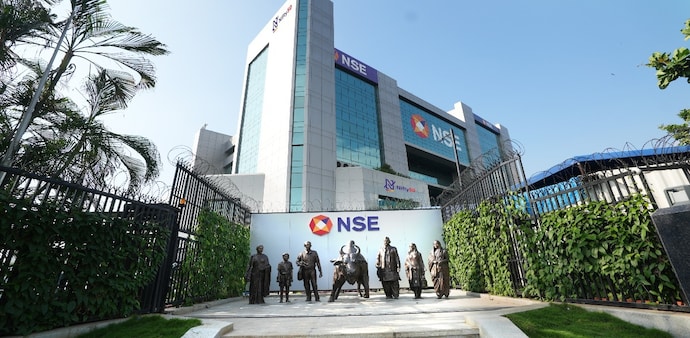
- Sep 18, 2026,
- Updated Sep 18, 2026 1:50 PM IST
The Supreme Court on Friday allowed the settlement between the National Stock Exchange of India (NSE) and the Securities and Exchange Board of India (Sebi) in the co-location case and disposed of Sebi's appeals against the Securities Appellate Tribunal (SAT) order, Informist reported.
According to the report, the appeals were filed by Sebi challenging the SAT's decision to set aside the regulator's disgorgement order against NSE in the co-location case.
The development comes after Sebi in July accepted NSE's settlement applications involving a total amount of about Rs 1,491 crore in the co-location and related dark fibre cases.
NSE had filed a settlement application of Rs 1,224 crore to close Sebi's pending appeal before the Supreme Court in the co-location facility case. The exchange had also filed a separate application for a settlement amount of about Rs 268 crore in the co-location-related dark fibre case, also referred to as the leased line connectivity case. The two amounts together total about Rs 1,492 crore.
The Supreme Court had previously disposed of Sebi's appeals in the dark fibre case after taking note of the settlement between the parties.
The main co-location case originated from a Sebi order passed in 2019, under which the regulator directed NSE to disgorge Rs 625 crore, along with interest at 12 per cent per annum from April 1, 2014.
Sebi had alleged that NSE provided preferential connectivity to certain brokers to its tick-by-tick data dissemination servers at the co-location facility, which resulted in these brokers making substantial profits.
NSE challenged the regulator's order before the Securities Appellate Tribunal, which set aside Sebi's disgorgement order. Sebi subsequently approached the Supreme Court against the tribunal's decision.
NSE IPO
The development comes shortly after Sebi cleared NSE's initial public offering (IPO) plan earlier this month. NSE, incorporated in 1992, is India's largest stock exchange and provides trading, clearing, listing, data feed, data terminal and licensing services.
For the quarter ended June 2026, NSE reported a consolidated net profit of Rs 3,120 crore on revenue of Rs 4,560 crore.
NSE's IPO, which opened for subscription on Thursday, was 95 per cent subscribed on the second day of bidding, according to the latest available data.
The Supreme Court on Friday allowed the settlement between the National Stock Exchange of India (NSE) and the Securities and Exchange Board of India (Sebi) in the co-location case and disposed of Sebi's appeals against the Securities Appellate Tribunal (SAT) order, Informist reported.
According to the report, the appeals were filed by Sebi challenging the SAT's decision to set aside the regulator's disgorgement order against NSE in the co-location case.
The development comes after Sebi in July accepted NSE's settlement applications involving a total amount of about Rs 1,491 crore in the co-location and related dark fibre cases.
NSE had filed a settlement application of Rs 1,224 crore to close Sebi's pending appeal before the Supreme Court in the co-location facility case. The exchange had also filed a separate application for a settlement amount of about Rs 268 crore in the co-location-related dark fibre case, also referred to as the leased line connectivity case. The two amounts together total about Rs 1,492 crore.
The Supreme Court had previously disposed of Sebi's appeals in the dark fibre case after taking note of the settlement between the parties.
The main co-location case originated from a Sebi order passed in 2019, under which the regulator directed NSE to disgorge Rs 625 crore, along with interest at 12 per cent per annum from April 1, 2014.
Sebi had alleged that NSE provided preferential connectivity to certain brokers to its tick-by-tick data dissemination servers at the co-location facility, which resulted in these brokers making substantial profits.
NSE challenged the regulator's order before the Securities Appellate Tribunal, which set aside Sebi's disgorgement order. Sebi subsequently approached the Supreme Court against the tribunal's decision.
NSE IPO
The development comes shortly after Sebi cleared NSE's initial public offering (IPO) plan earlier this month. NSE, incorporated in 1992, is India's largest stock exchange and provides trading, clearing, listing, data feed, data terminal and licensing services.
For the quarter ended June 2026, NSE reported a consolidated net profit of Rs 3,120 crore on revenue of Rs 4,560 crore.
NSE's IPO, which opened for subscription on Thursday, was 95 per cent subscribed on the second day of bidding, according to the latest available data.