
GRM Overseas bonus shares explained: Why the stock price fell sharply today
The GRM Overseas board had recently approved and recommended an increase in the authorised share capital of the company to Rs 45,00,00,000, divided into 22,50,00,000 equity shares of face value Rs 2 each.
- Dec 24, 2025,
- Updated Dec 24, 2025 9:07 AM IST
Shares of GRM Overseas Ltd are set to turn ex-bonus on Wednesday in the ratio of 2:1. Shareholders would receive two additional shares for every one held, taking their total holding to three shares. The stock had settled at Rs 505.40 apiece on Tuesday, up 4.36 per cent ahead of the corporate action.
At the market open, the share price is expected to adjust automatically to account for the bonus issue. On some trading platforms, this adjustment could appear as a sharp fall in the stock price, though investors should not be concerned. The decline would be only notional, as the increase in the number of shares would proportionately offset the price adjustment, leaving shareholder value unchanged.
A bonus issue raises the number of shares outstanding, reduces free reserves and lowers earnings per share, leading to a proportionate recalibration of the stock price.
The GRM Overseas board had recently approved and recommended an increase in the authorised share capital of the company from Rs 20,00,00,000, divided into 10,00,00,000 equity shares of face value Rs 2 each, to Rs 45,00,00,000, divided into 22,50,00,000 equity shares of face value Rs 2 each, ranking pari passu in all respects with the existing equity shares.
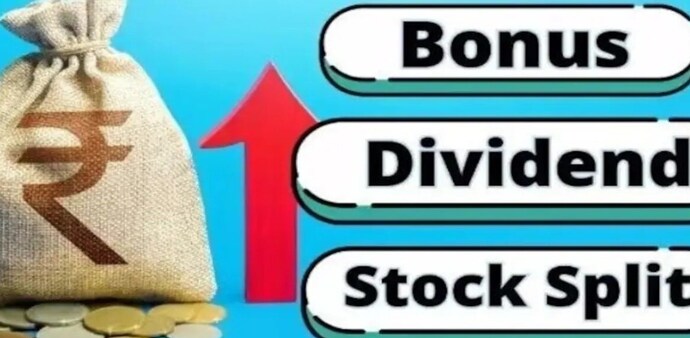
While bonus issues and stock splits may appear similar, their underlying objectives differ. A bonus issue rewards shareholders by issuing additional shares from accumulated reserves without changing the face value of the stock. A stock split, on the other hand, breaks existing shares into smaller units to enhance liquidity, resulting in a lower face value.
For instance, in a 1:4 stock split, each share is divided into four and dividend entitlement adjusts accordingly. In the case of a bonus issue, however, dividend entitlement remains unchanged, as a shareholder’s proportional ownership in the company is preserved despite the higher share count.
Shares of GRM Overseas Ltd are set to turn ex-bonus on Wednesday in the ratio of 2:1. Shareholders would receive two additional shares for every one held, taking their total holding to three shares. The stock had settled at Rs 505.40 apiece on Tuesday, up 4.36 per cent ahead of the corporate action.
At the market open, the share price is expected to adjust automatically to account for the bonus issue. On some trading platforms, this adjustment could appear as a sharp fall in the stock price, though investors should not be concerned. The decline would be only notional, as the increase in the number of shares would proportionately offset the price adjustment, leaving shareholder value unchanged.
A bonus issue raises the number of shares outstanding, reduces free reserves and lowers earnings per share, leading to a proportionate recalibration of the stock price.
The GRM Overseas board had recently approved and recommended an increase in the authorised share capital of the company from Rs 20,00,00,000, divided into 10,00,00,000 equity shares of face value Rs 2 each, to Rs 45,00,00,000, divided into 22,50,00,000 equity shares of face value Rs 2 each, ranking pari passu in all respects with the existing equity shares.
While bonus issues and stock splits may appear similar, their underlying objectives differ. A bonus issue rewards shareholders by issuing additional shares from accumulated reserves without changing the face value of the stock. A stock split, on the other hand, breaks existing shares into smaller units to enhance liquidity, resulting in a lower face value.
For instance, in a 1:4 stock split, each share is divided into four and dividend entitlement adjusts accordingly. In the case of a bonus issue, however, dividend entitlement remains unchanged, as a shareholder’s proportional ownership in the company is preserved despite the higher share count.