
HPCL, BPCL, IOC shares continue to slide; here's why
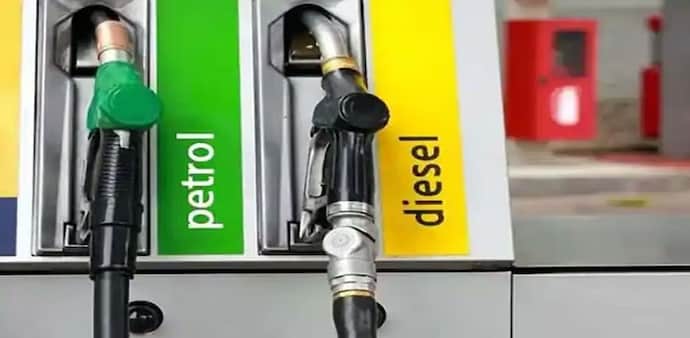
The weakness in OMC stocks came despite the government increasing petrol and diesel prices by Rs 3 per litre, and CNG prices by Rs 2 per kg across four metro cities -- Delhi, Mumbai, Kolkata and Chennai.
- May 18, 2026,
- Updated May 18, 2026 12:21 PM IST
Shares of oil marketing companies (OMCs) -- Hindustan Petroleum Corporation Ltd (HPCL), Bharat Petroleum Corporation Ltd (BPCL) and Indian Oil Corporation Ltd (IOC) -- continued to decline in Monday's trade as Brent crude prices remained above the $110-per-barrel mark.
The weakness in OMC stocks came despite the government increasing petrol and diesel prices by Rs 3 per litre, and CNG prices by Rs 2 per kg across four metro cities -- Delhi, Mumbai, Kolkata and Chennai.
Meanwhile, Indraprastha Gas Ltd (IGL) raised CNG rates by Re 1 per kg across its network, marking the second price hike in just 48 hours. With the latest revision effective from 6:00 am on Sunday, CNG prices in Delhi climbed to Rs 80.09 per kg, crossing the Rs 80 mark for the first time.
Typically, fuel price hikes are viewed as positive for OMCs as they help offset higher input costs. HPCL, BPCL and IOC were trading near their all-time highs around the end of February. However, following the escalation in the West Asia conflict, the stocks have corrected sharply from their peak levels.
Ajit Mishra – SVP, Research at Religare Broking, said, "The sharp increase in petrol, diesel, and CNG prices reflects the direct impact of the escalating West Asia energy crisis and supply disruptions around the Strait of Hormuz. With global crude oil prices surging, oil marketing companies were under mounting pressure due to rising input costs and shrinking marketing margins. While fuel availability remains stable, the hike is likely to intensify inflationary pressures across the economy. Higher transportation and logistics costs could gradually push up prices of essential goods and services, increasing the burden on household budgets and raising overall cost-of-living concerns in the near term."
Manoranjan Sharma, Chief Economist at Infomerics Ratings, noted, "For India, which imports nearly 85 per cent of its crude oil, the impact on foreign exchange reserves and fiscal stability is significant, while a weakening rupee further raises import expenses. The crisis also highlights the risks of excessive dependence on politically unstable regions for energy supplies. Oil-importing nations may face decelerated growth, weaker industrial output, and reduced consumer purchasing power. However, this could accelerate investment in renewable energy, energy conservation, and diversified supply chains, making the crisis both an economic and strategic challenge."
Prashant Vasisht, Senior Vice-President and Co-Group Head, Corporate Ratings ICRA, stated, "The modest hike in retail price of Rs 3/litre for petrol and diesel provides limited relief to the oil marketing companies. ICRA estimates that at crude price of $105-110/barrel and considering past 10-year average crack spreads of auto fuels, oil marketing companies incur a loss of about Rs 500 crore daily on the sale of auto fuels and domestic LPG, even after factoring the fuel price hike. Accordingly the oil marketing companies would need to relook at the retail prices in case elevated crude oil prices persist."
Shares of oil marketing companies (OMCs) -- Hindustan Petroleum Corporation Ltd (HPCL), Bharat Petroleum Corporation Ltd (BPCL) and Indian Oil Corporation Ltd (IOC) -- continued to decline in Monday's trade as Brent crude prices remained above the $110-per-barrel mark.
The weakness in OMC stocks came despite the government increasing petrol and diesel prices by Rs 3 per litre, and CNG prices by Rs 2 per kg across four metro cities -- Delhi, Mumbai, Kolkata and Chennai.
Meanwhile, Indraprastha Gas Ltd (IGL) raised CNG rates by Re 1 per kg across its network, marking the second price hike in just 48 hours. With the latest revision effective from 6:00 am on Sunday, CNG prices in Delhi climbed to Rs 80.09 per kg, crossing the Rs 80 mark for the first time.
Typically, fuel price hikes are viewed as positive for OMCs as they help offset higher input costs. HPCL, BPCL and IOC were trading near their all-time highs around the end of February. However, following the escalation in the West Asia conflict, the stocks have corrected sharply from their peak levels.
Ajit Mishra – SVP, Research at Religare Broking, said, "The sharp increase in petrol, diesel, and CNG prices reflects the direct impact of the escalating West Asia energy crisis and supply disruptions around the Strait of Hormuz. With global crude oil prices surging, oil marketing companies were under mounting pressure due to rising input costs and shrinking marketing margins. While fuel availability remains stable, the hike is likely to intensify inflationary pressures across the economy. Higher transportation and logistics costs could gradually push up prices of essential goods and services, increasing the burden on household budgets and raising overall cost-of-living concerns in the near term."
Manoranjan Sharma, Chief Economist at Infomerics Ratings, noted, "For India, which imports nearly 85 per cent of its crude oil, the impact on foreign exchange reserves and fiscal stability is significant, while a weakening rupee further raises import expenses. The crisis also highlights the risks of excessive dependence on politically unstable regions for energy supplies. Oil-importing nations may face decelerated growth, weaker industrial output, and reduced consumer purchasing power. However, this could accelerate investment in renewable energy, energy conservation, and diversified supply chains, making the crisis both an economic and strategic challenge."
Prashant Vasisht, Senior Vice-President and Co-Group Head, Corporate Ratings ICRA, stated, "The modest hike in retail price of Rs 3/litre for petrol and diesel provides limited relief to the oil marketing companies. ICRA estimates that at crude price of $105-110/barrel and considering past 10-year average crack spreads of auto fuels, oil marketing companies incur a loss of about Rs 500 crore daily on the sale of auto fuels and domestic LPG, even after factoring the fuel price hike. Accordingly the oil marketing companies would need to relook at the retail prices in case elevated crude oil prices persist."