
India US trade deal: TCS, Bharat Forge, Infosys, Welspun Living among key stocks in focus
Check the list of key sectors and stocks impacted as India and the US agree for a trade deal after months of negotiations with the overall tariff rate coming down to 18 per cent.
- Feb 3, 2026,
- Updated Feb 3, 2026 11:17 AM IST
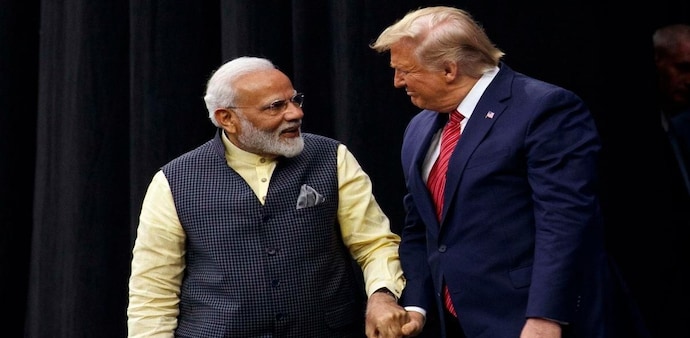
India and the US have agreed for a trade deal after months of negotiations with the overall tariff rate coming down to 18 per cent from 50 per cent that was in place till date. The latest development has brought the spotlight back on the export oriented themes for today's trading session.
Impact on Equities:
India’s tariff impacted parts of goods export exposure to the US is skewed toward privately held MSMEs and low-margin manufacturing rather than large, listed firms. Consequently, the subsequent rollback in tariff rates is unlikely, by itself, to materially alter the earnings trajectory of Indian equities, said Sujan Hajra, Chief Economist & Executive Director, Anand Rathi Group.
"India once again looks investable to global capital — a high-growth, politically aligned, strategically important economy with deep domestic demand and improving external linkages to both the US and Europe. The case for a catch-up rally lies less in near-term earnings upgrades and more in the reversal of capital-market pessimism that the tariff shock and diplomatic friction had previously created," he said.
Here are some export oriented sectors and stocks to watch out:
IT Stocks: Services were out of the tariffs but IT counters were badly hit due to the H-1B negotiations and then surged as the currency kept depreciating to new lows due to lack of clarity over the deal. A weaker rupee translates into better margins for the IT companies, but with the currency likely to strengthen now. IT majors like TCS, Infosys, HCL Technologies and midcap names like Persistent Systems, Coforge and others will remain in focus today.
Textile Stocks: Textile stocks were the worst hit due to the previous US tariffs, as 50-70 per cent of their revenue came from the US market. The reduction of tariff to 18 per cent puts them at a better tariff rate compared to other garment rivals such as Bangladesh and Vietnam, who are both taxed at 20 per cent. Companies including Gokaldas Exports, Arvind, Welspun Living, KPR Mill and others will be in focus.
Shrimp Exporters and seafood player: The US was the biggest market for shrimp exporters but they did manage to find other avenues for their products, particularly from the European Union and China, the US remains their biggest importer for the Indian companies. Stocks such as Avanti Feeds, Apex Frozen Foods, Zeal Aqua, DSM Fresh Foods among others will be beneficiaries of the deal announcement.
Gems & Jewellery: The gems and jewellery stocks were also badly hit by the high US tariffs, denting their margins. The reduced tariffs will lower their cost, improve working capital cycles and better payment cycles. The sector is likely to see some tailwinds yet. Companies like Titan, Vaibhav Global will be in focus.
Specialty Chemicals: US is a major importer of speciality chemicals, while exports accounts for 12 per cent of its revenue. China is another major supplier of chemicals to the US. Companies including Anupam Rasayan, Clean Science & Technology, PCBL, SRF, Fine Organics, Acutaas and others will be focused today.
Auto ancillaries: The high US tariffs badly hurt Indian auto ancillary companies by pushing their cost higher and denting the demand amid reduced competitiveness. Majority of the firms were hit majorly in North America. Companies like CEAT, Apollo Tyres, Happy Forgings, SJS Enterprises, Sona BLW will be in focus.
Bharat Forge: The forging player company has significant exposure to the Class 8 truck market in the US and the reduction of tariffs would be a positive for the stock. It also has a defence vertical and with the US-India defence partnership continuing, the street will be hoping that it translates into more export orders for the company.
Conclusion:
The India–US trade agreement is a decisive development that strengthens one of the most consequential economic partnerships globally. By improving market access and reducing policy uncertainty, the agreement creates a more investable environment for capital deployment across sectors.
From a market perspective, this should be supportive of the Indian rupee over the medium term through stronger trade and capital inflows, while reinforcing positive sentiment across equity markets, particularly in export-oriented and manufacturing-linked sectors, said Sachin Sawrikar, Managing Partner at Artha Bharat Investment Managers IFSC LLP.
"Stronger bilateral trade is expected to drive higher cross-border investment flows, deepen institutional participation, and accelerate the integration of Indian companies into global supply chains. Alongside parallel progress in India’s engagement with the European Union, it signals a broader shift toward deeper global economic integration," he added.
India and the US have agreed for a trade deal after months of negotiations with the overall tariff rate coming down to 18 per cent from 50 per cent that was in place till date. The latest development has brought the spotlight back on the export oriented themes for today's trading session.
Impact on Equities:
India’s tariff impacted parts of goods export exposure to the US is skewed toward privately held MSMEs and low-margin manufacturing rather than large, listed firms. Consequently, the subsequent rollback in tariff rates is unlikely, by itself, to materially alter the earnings trajectory of Indian equities, said Sujan Hajra, Chief Economist & Executive Director, Anand Rathi Group.
"India once again looks investable to global capital — a high-growth, politically aligned, strategically important economy with deep domestic demand and improving external linkages to both the US and Europe. The case for a catch-up rally lies less in near-term earnings upgrades and more in the reversal of capital-market pessimism that the tariff shock and diplomatic friction had previously created," he said.
Here are some export oriented sectors and stocks to watch out:
IT Stocks: Services were out of the tariffs but IT counters were badly hit due to the H-1B negotiations and then surged as the currency kept depreciating to new lows due to lack of clarity over the deal. A weaker rupee translates into better margins for the IT companies, but with the currency likely to strengthen now. IT majors like TCS, Infosys, HCL Technologies and midcap names like Persistent Systems, Coforge and others will remain in focus today.
Textile Stocks: Textile stocks were the worst hit due to the previous US tariffs, as 50-70 per cent of their revenue came from the US market. The reduction of tariff to 18 per cent puts them at a better tariff rate compared to other garment rivals such as Bangladesh and Vietnam, who are both taxed at 20 per cent. Companies including Gokaldas Exports, Arvind, Welspun Living, KPR Mill and others will be in focus.
Shrimp Exporters and seafood player: The US was the biggest market for shrimp exporters but they did manage to find other avenues for their products, particularly from the European Union and China, the US remains their biggest importer for the Indian companies. Stocks such as Avanti Feeds, Apex Frozen Foods, Zeal Aqua, DSM Fresh Foods among others will be beneficiaries of the deal announcement.
Gems & Jewellery: The gems and jewellery stocks were also badly hit by the high US tariffs, denting their margins. The reduced tariffs will lower their cost, improve working capital cycles and better payment cycles. The sector is likely to see some tailwinds yet. Companies like Titan, Vaibhav Global will be in focus.
Specialty Chemicals: US is a major importer of speciality chemicals, while exports accounts for 12 per cent of its revenue. China is another major supplier of chemicals to the US. Companies including Anupam Rasayan, Clean Science & Technology, PCBL, SRF, Fine Organics, Acutaas and others will be focused today.
Auto ancillaries: The high US tariffs badly hurt Indian auto ancillary companies by pushing their cost higher and denting the demand amid reduced competitiveness. Majority of the firms were hit majorly in North America. Companies like CEAT, Apollo Tyres, Happy Forgings, SJS Enterprises, Sona BLW will be in focus.
Bharat Forge: The forging player company has significant exposure to the Class 8 truck market in the US and the reduction of tariffs would be a positive for the stock. It also has a defence vertical and with the US-India defence partnership continuing, the street will be hoping that it translates into more export orders for the company.
Conclusion:
The India–US trade agreement is a decisive development that strengthens one of the most consequential economic partnerships globally. By improving market access and reducing policy uncertainty, the agreement creates a more investable environment for capital deployment across sectors.
From a market perspective, this should be supportive of the Indian rupee over the medium term through stronger trade and capital inflows, while reinforcing positive sentiment across equity markets, particularly in export-oriented and manufacturing-linked sectors, said Sachin Sawrikar, Managing Partner at Artha Bharat Investment Managers IFSC LLP.
"Stronger bilateral trade is expected to drive higher cross-border investment flows, deepen institutional participation, and accelerate the integration of Indian companies into global supply chains. Alongside parallel progress in India’s engagement with the European Union, it signals a broader shift toward deeper global economic integration," he added.