
Sensex crosses 35,000 for the first time: 'I will not buy Indian equities'
With BSE Sensex hit 35k for the first time, global experts are cautious on the Indian market following expensive valuation and rising oil prices
- Jan 17, 2018,
- Updated Jan 29, 2018 4:25 PM IST
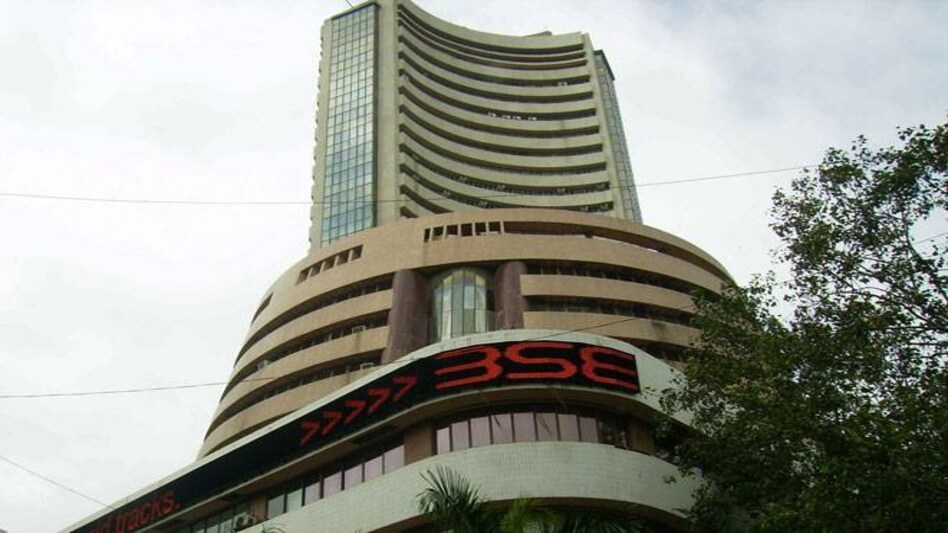
John Praveen, Managing Director & Chief Investment Strategist at Pramerica International Investments said elevated valuation of Indian companies will keep him away from India equities that saw the BSE Sensex crossing 35,000 for the first time.
Also read: Sensex gains steam after crossing 35,000, Nifty hits 10,887: Five things to know
Pramerica International Investments globally manages close to $100 billion. Praveen who has downgraded India from an overweight to neutral, says "India is costliest across markets. With continuing upsurge in global crude oil prices I will not be buying Indian equities in the near term (three months)." "Rising oil prices is a big concern for India in the near term. It can spoil the party for India. High oil prices will lead to fiscal slippages thus can see an increase in rates by the central bank and impact both equity and bond market where yields could move upwards," says Praveen who would wait and watch for the union budget to take a future call on India and Indian equities.
While he is cautious on India for the next three months, his investment theme for Indian equities for 2018 remain almost the same to 2017. This year he is betting on the stocks related to rural India that includes fertilizer and farm equipment companies ahead of the elections. He is also bullish on the infrastructure story especially on companies that are in road building. He continues to remain positive on sectors related to consumer discretionary, materials, including cement and metals. While negative on consumer staples due to valuation and avoid IT and healthcare stocks due to global policies. "Market has discounted a fiscal deficit of 3.5 per cent. Anything above that will be bad for the market," says Praveen.
As on December 2017, India is trading at a price to earnings (PE) ratio of 24.4 compared to Brazil's 18.9, China's 16.5 and Russia's 7.2. Barring India all the other three countries are still trading lower than their long-term averages. For India the long-term average PE is around 17.8. Praveen says while India enjoys premium to its counter parts due to rising growth rates, it has been the only country apart from the Euro-zone where corporates haven't delivered on performance. "In the beginning of the year we had expected an EPS growth of 12 per cent for India (index) but the actual growth is around 4 per cent. This year corporate earnings are likely to throw some surprises due to the low base effect following demonetization and introduction of GST. For 2018, we see the EPS growth at 9 per cent."
Concerns for Indian equities?1) Expensive Valuation 2) Rising oil prices that is around $65-70 per barrel3) Fiscal slippages due to rising oil prices as well as ahead of election4) Rising interest rates due to rise in inflation 5) Earnings disappointment
John Praveen, Managing Director & Chief Investment Strategist at Pramerica International Investments said elevated valuation of Indian companies will keep him away from India equities that saw the BSE Sensex crossing 35,000 for the first time.
Also read: Sensex gains steam after crossing 35,000, Nifty hits 10,887: Five things to know
Pramerica International Investments globally manages close to $100 billion. Praveen who has downgraded India from an overweight to neutral, says "India is costliest across markets. With continuing upsurge in global crude oil prices I will not be buying Indian equities in the near term (three months)." "Rising oil prices is a big concern for India in the near term. It can spoil the party for India. High oil prices will lead to fiscal slippages thus can see an increase in rates by the central bank and impact both equity and bond market where yields could move upwards," says Praveen who would wait and watch for the union budget to take a future call on India and Indian equities.
While he is cautious on India for the next three months, his investment theme for Indian equities for 2018 remain almost the same to 2017. This year he is betting on the stocks related to rural India that includes fertilizer and farm equipment companies ahead of the elections. He is also bullish on the infrastructure story especially on companies that are in road building. He continues to remain positive on sectors related to consumer discretionary, materials, including cement and metals. While negative on consumer staples due to valuation and avoid IT and healthcare stocks due to global policies. "Market has discounted a fiscal deficit of 3.5 per cent. Anything above that will be bad for the market," says Praveen.
As on December 2017, India is trading at a price to earnings (PE) ratio of 24.4 compared to Brazil's 18.9, China's 16.5 and Russia's 7.2. Barring India all the other three countries are still trading lower than their long-term averages. For India the long-term average PE is around 17.8. Praveen says while India enjoys premium to its counter parts due to rising growth rates, it has been the only country apart from the Euro-zone where corporates haven't delivered on performance. "In the beginning of the year we had expected an EPS growth of 12 per cent for India (index) but the actual growth is around 4 per cent. This year corporate earnings are likely to throw some surprises due to the low base effect following demonetization and introduction of GST. For 2018, we see the EPS growth at 9 per cent."
Concerns for Indian equities?1) Expensive Valuation 2) Rising oil prices that is around $65-70 per barrel3) Fiscal slippages due to rising oil prices as well as ahead of election4) Rising interest rates due to rise in inflation 5) Earnings disappointment