
Sensex falls over 600 pts in last hour of trade, banks tumble
Higher US interest rates could make emerging markets less attractive for global investors, sparking outflows and hitting currencies such as the rupee.
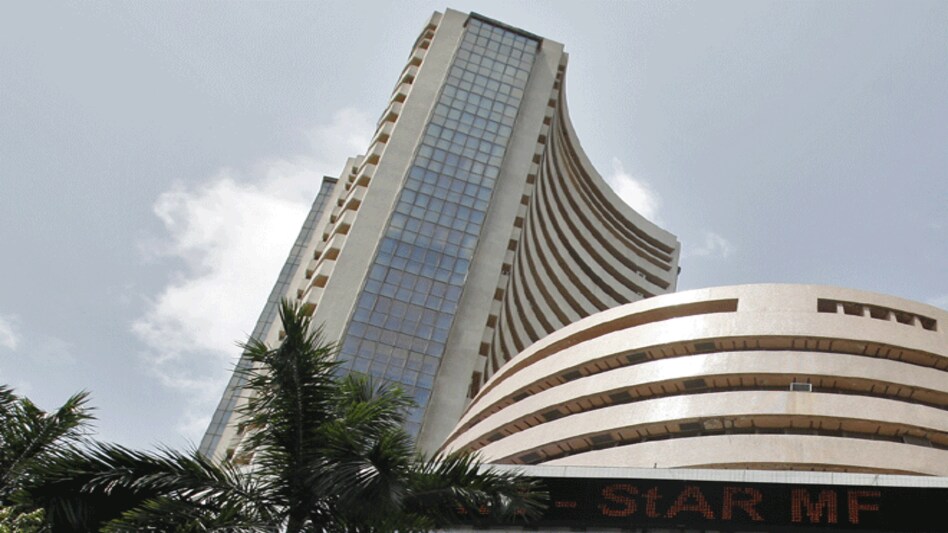
- Nov 11, 2016,
- Updated Nov 11, 2016 4:17 PM IST
The Indian market fell more than 2 percent on Friday, tracking losses in Asian markets, on fears that incoming US President Donald Trump's policies would be inflationary, leading to higher US interest rates and denting the appeal of emerging markets.
US bond yields have surged after Trump's election on worries his policies stance - from protectionism and fiscal expansion - will boost inflation and lead the Federal Reserve to raise interest rates more than expected.
Higher US interest rates could make emerging markets less attractive for global investors, sparking outflows and hitting currencies such as the rupee.
"The larger cause of worry is with the currency. In global markets, some of the currencies are getting hit very badly against the dollar, resulting in significant amount of economic damage to those countries," said Deven Choksey, managing director at KR Choksey Securities.
The Nifty was 2.36 percent lower at 8,326.35, and was down 0.68 percent for the week.
The Sensex was 2.16 percent lower at 26914, and was down 0.77 percent for the week.
The SBI stock fell almost 3 per cent to Rs 273.15 on BSE after the bank reported a 35 per cent fall in Q2 net profit.
The Tata Chemicals stock fell 4.80 per cent amid reports that Bhaskar Bhat, non-executive, non-independent director, has resigned from the board of the company with effect from 10 November, 2016. The firm also announced a marginal increase in second-quarter earnings on Thursday after market hours.
Mahindra & Mahindra reported 27 percent rise in Q2 net profit. Its stock was trading 2.75 per cent lower on the BSE.
Shares of InterGlobe Aviation, Jet Airways and SpiceJet fell between 2 per cent to 4 per cent each on media reports the government would impose a new levy on some domestic flights.
The ministry of civil aviation has proposed the levy to help raise money to fund air travel between India's smaller towns and cities at a subsidised cost, according to the local media reports.
The Delta Corp stock was top loser on the BSE, falling 11 per cent. Manappuram Finance fell 9.50 per cent to Rs 92.50.
Market breadth was negative with 2,130 stocks falling against 431 advancing on BSE.
Of 30 Sensex stocks, Sun Pharma was the sole gainer after the world's fifth-biggest generic drug maker on Thursday reported a 90 per cent rise in net profit for the July-September quarter.
ICICI Bank was the top loser falling 5 percent, followed by Asian Paints (4.76 per cent) and Adani Ports (4.73 per cent) on the 30 stock Sensex.
All nine BSE indexes based on market cap were trading in the red. The BSE midcap index fell almost 3 percent or 391 points to 12539 level.
Among BSE's sectoral indexes, BSE auto and consumer durables fell 656 and 532 points, respectively. All 19 indexes were down.
Only three stocks on the NSE index were in positive territory.
The Nifty bank index dropped as much as 1.41 percent, after a four-session winning streak on the back of hopes that government's unexpected push to withdraw larger banknotes from circulation would lead to a surge in lenders' cash positions.
The Nifty IT index fell 2.51 percent, heading for its biggest weekly fall since mid-February, on worries about what Trump's election would meant for the export-dependent sector.
HCL Technologies and Tech Mahindra fell 4.39 percent and 3.06 percent, respectively.
Global markets
On Wall Street, US S&P 500 Index rose 0.2 percent while the Dow Jones industrial average jumped 1.2 percent, smashing through its previous record high set in August by almost 1 percent.
In contrast, the technology-heavy Nasdaq fell 0.8 percent, with Apple dropping 2.8 percent.
However, the US dollar strengthened over bond yields that soared over market expectations that the newly elected president's policies might fuel inflation.
In Asia, Hong Kong's Hang Seng index lost 1.3 percent to 22,538.51 and South Korea's Kospi fell 0.7 percent to 1,989.12. Japan's benchmark Nikkei 225 added 0.2 percent to finish at 17,374.79 after touching a half-year high in early trading as the yen fell against the dollar. Australia's S&P/ASX 200 edged up 0.8 percent to 5,370.70. Shares in Taiwan dropped 2.1 percent and in Indonesia they fell 3 percent. The Shanghai Composite added 0.7 percent at 3,193.72.
(With agencies inputs)
The Indian market fell more than 2 percent on Friday, tracking losses in Asian markets, on fears that incoming US President Donald Trump's policies would be inflationary, leading to higher US interest rates and denting the appeal of emerging markets.
US bond yields have surged after Trump's election on worries his policies stance - from protectionism and fiscal expansion - will boost inflation and lead the Federal Reserve to raise interest rates more than expected.
Higher US interest rates could make emerging markets less attractive for global investors, sparking outflows and hitting currencies such as the rupee.
"The larger cause of worry is with the currency. In global markets, some of the currencies are getting hit very badly against the dollar, resulting in significant amount of economic damage to those countries," said Deven Choksey, managing director at KR Choksey Securities.
The Nifty was 2.36 percent lower at 8,326.35, and was down 0.68 percent for the week.
The Sensex was 2.16 percent lower at 26914, and was down 0.77 percent for the week.
The SBI stock fell almost 3 per cent to Rs 273.15 on BSE after the bank reported a 35 per cent fall in Q2 net profit.
The Tata Chemicals stock fell 4.80 per cent amid reports that Bhaskar Bhat, non-executive, non-independent director, has resigned from the board of the company with effect from 10 November, 2016. The firm also announced a marginal increase in second-quarter earnings on Thursday after market hours.
Mahindra & Mahindra reported 27 percent rise in Q2 net profit. Its stock was trading 2.75 per cent lower on the BSE.
Shares of InterGlobe Aviation, Jet Airways and SpiceJet fell between 2 per cent to 4 per cent each on media reports the government would impose a new levy on some domestic flights.
The ministry of civil aviation has proposed the levy to help raise money to fund air travel between India's smaller towns and cities at a subsidised cost, according to the local media reports.
The Delta Corp stock was top loser on the BSE, falling 11 per cent. Manappuram Finance fell 9.50 per cent to Rs 92.50.
Market breadth was negative with 2,130 stocks falling against 431 advancing on BSE.
Of 30 Sensex stocks, Sun Pharma was the sole gainer after the world's fifth-biggest generic drug maker on Thursday reported a 90 per cent rise in net profit for the July-September quarter.
ICICI Bank was the top loser falling 5 percent, followed by Asian Paints (4.76 per cent) and Adani Ports (4.73 per cent) on the 30 stock Sensex.
All nine BSE indexes based on market cap were trading in the red. The BSE midcap index fell almost 3 percent or 391 points to 12539 level.
Among BSE's sectoral indexes, BSE auto and consumer durables fell 656 and 532 points, respectively. All 19 indexes were down.
Only three stocks on the NSE index were in positive territory.
The Nifty bank index dropped as much as 1.41 percent, after a four-session winning streak on the back of hopes that government's unexpected push to withdraw larger banknotes from circulation would lead to a surge in lenders' cash positions.
The Nifty IT index fell 2.51 percent, heading for its biggest weekly fall since mid-February, on worries about what Trump's election would meant for the export-dependent sector.
HCL Technologies and Tech Mahindra fell 4.39 percent and 3.06 percent, respectively.
Global markets
On Wall Street, US S&P 500 Index rose 0.2 percent while the Dow Jones industrial average jumped 1.2 percent, smashing through its previous record high set in August by almost 1 percent.
In contrast, the technology-heavy Nasdaq fell 0.8 percent, with Apple dropping 2.8 percent.
However, the US dollar strengthened over bond yields that soared over market expectations that the newly elected president's policies might fuel inflation.
In Asia, Hong Kong's Hang Seng index lost 1.3 percent to 22,538.51 and South Korea's Kospi fell 0.7 percent to 1,989.12. Japan's benchmark Nikkei 225 added 0.2 percent to finish at 17,374.79 after touching a half-year high in early trading as the yen fell against the dollar. Australia's S&P/ASX 200 edged up 0.8 percent to 5,370.70. Shares in Taiwan dropped 2.1 percent and in Indonesia they fell 3 percent. The Shanghai Composite added 0.7 percent at 3,193.72.
(With agencies inputs)