
Which sectors could drive the next market rally? ICICI Prudential AMC’s Rajat Chandak explains
The benchmark equity index Nifty50 and Nifty Midcap 150 gained 6% and 5.6% between October 2024 and October 2025.
- Nov 19, 2025,
- Updated Nov 19, 2025 3:39 PM IST
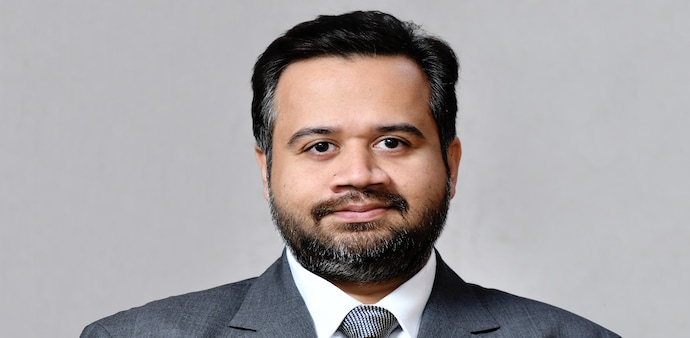
Assets under management (AUM) of flexi cap funds surged nearly 25% in the past 12 months to a record high of Rs 5.34 lakh crore in October 2025. In comparison, large- and mid-cap funds, mid-cap funds and small-cap funds saw their AUM grow by 23%, 19% and 16%, respectively, during the same period. Meanwhile, the benchmark equity index Nifty50 and Nifty Midcap 150 gained 6% and 5.6% between October 2024 and October 2025. The Nifty Smallcap 250 index, however, declined 2.46% during this period. So, what is driving the sharp growth of flexi cap funds amid the ongoing volatility in the domestic equity market? And which sectors or themes are likely to outperform from here onwards? In an interaction with Business Today, Rajat Chandak, Senior Fund Manager, ICICI Prudential AMC, shared his insights. Edited excerpts:
BT: What’s attracting investors to the flexi cap fund?
Chandak: Flexi-cap funds have become the largest actively managed equity category, reflecting the strong confidence investors have built in them over recent years. Despite carrying a slightly higher risk than large-cap funds owing to their exposure to mid and small caps, these schemes have delivered an encouraging investor experience.
What makes them particularly appealing in volatile markets is their built-in flexibility. A fund manager can move across market capitalisations and adjust exposures based on where opportunities emerge. This ability to balance stability from large caps with higher growth potential from mid and small caps allows flexi-cap funds to navigate market cycles effectively and aim for delivering consistent long-term outcomes.
BT: How has your flexi-cap fund positioned itself amid the current volatility?
Chandak: The fund is positioned to benefit from the government’s efforts to boost consumption. Measures such as income tax relief, GST rationalisation, a favourable monsoon, and the upcoming 8th Pay Commission are expected to lift discretionary demand.
The portfolio is overweight on consumption-oriented sectors. Since small-cap valuations have turned more attractive after the recent correction, the portfolio has a relatively higher exposure to this segment. The investment approach remains long-term and buy-and-hold oriented, which has consistently worked well thus far.
BT: Flexi-cap funds have the freedom to invest across large, mid, and small caps. How do you decide the allocation mix in such a dynamic market?
Chandak: The fund follows a bottom-up, buy-and-hold approach rather than making top-down allocation calls. Typically, the exposure to mid- and small-cap stocks does not exceed 35% unless there is a meaningful market drawdown. This helps maintain discipline and keeps the portfolio broadly aligned with the benchmark, which has about 27% weight in mid and small caps.
BT: Your September portfolio showed around 65% allocation to large caps. Do you expect large caps to outperform mid- and small caps in the coming months?
Chandak: The allocation is purely a result of bottom-up stock selection, not a top-down view on market segments. The benchmark, BSE 500, has over 70% weight in large caps. From that perspective, the portfolio is actually underweight large caps and overweight mid- and small-cap names. This positioning is driven entirely by individual stock conviction rather than a top-down rationale.
BT: Auto majors Maruti Suzuki and TVS Motor Company together account for over 17% of your portfolio. What makes you bullish on these companies?
Chandak: While we do not comment on individual stocks, the auto sector is likely to benefit from a revival in discretionary consumption. Furthermore, the recent GST reduction has improved affordability, setting the stage for recovery in auto sales.
BT: How do you identify opportunities in the mid- and small-cap space without compromising on liquidity?
Chandak: Liquidity is a genuine challenge in the mid and small-cap universe. A long-term, buy-and-hold approach helps manage this constraint effectively, as it reduces the need for frequent trading. Taking a contrarian stance in select cases has also aided in mitigating this challenge.
BT: Which sectors or themes could drive the next leg of the market rally? Why?
Chandak: Several sectors appear promising, though for different reasons. Some are attractively valued, while others are demonstrating strong business performance. Large banks are one such pocket that combines reasonable valuations with improving growth prospects. Autos, supported by revival in discretionary spend, can sustain their momentum while select platform/internet-based companies continue to consistently deliver on growth, and life insurers as a pack remain structurally well placed. Even in IT, the downside risks now seem limited.
BT: How much upside do you see for the Nifty50 over the next 12 months, and what factors will drive market sentiment?
Chandak: While it is difficult to assign a specific target, the outlook remains largely constructive. The government’s policy measures to stimulate consumption and potential moderation in foreign investor selling could support markets. Corporate earnings have also been healthy in recent quarters, lending further stability to sentiment. A possible trade deal with the United States may act as a near-term catalyst.
BT: What are the key things investors should know before investing in flexi-cap funds?
Chandak: Flexi-cap funds invest across large, mid, and small-cap stocks, which makes them relatively volatile than a large cap or value fund in the short term. However, this flexibility allows fund managers to adapt to changing market conditions and create wealth over the long term.
BT: What would be your advice to investors looking to enter flexi-cap funds?
Chandak: We believe SIPs should be the preferred route at this point. For lump sum investments, investors can consider hybrid offerings as per their risk appetite.
BT: How can an investor invest Rs 5 lakh in this market?
Chandak: The optimal approach to invest in the current environment is through diversified equity funds, particularly those with a flexible mandate, such as flexi-cap or large-cap-oriented schemes. Conservative investors and those considering lump sum investments can consider hybrid offerings. Asset allocation remains crucial. Investors should ensure they are diversified across asset classes.
Assets under management (AUM) of flexi cap funds surged nearly 25% in the past 12 months to a record high of Rs 5.34 lakh crore in October 2025. In comparison, large- and mid-cap funds, mid-cap funds and small-cap funds saw their AUM grow by 23%, 19% and 16%, respectively, during the same period. Meanwhile, the benchmark equity index Nifty50 and Nifty Midcap 150 gained 6% and 5.6% between October 2024 and October 2025. The Nifty Smallcap 250 index, however, declined 2.46% during this period. So, what is driving the sharp growth of flexi cap funds amid the ongoing volatility in the domestic equity market? And which sectors or themes are likely to outperform from here onwards? In an interaction with Business Today, Rajat Chandak, Senior Fund Manager, ICICI Prudential AMC, shared his insights. Edited excerpts:
BT: What’s attracting investors to the flexi cap fund?
Chandak: Flexi-cap funds have become the largest actively managed equity category, reflecting the strong confidence investors have built in them over recent years. Despite carrying a slightly higher risk than large-cap funds owing to their exposure to mid and small caps, these schemes have delivered an encouraging investor experience.
What makes them particularly appealing in volatile markets is their built-in flexibility. A fund manager can move across market capitalisations and adjust exposures based on where opportunities emerge. This ability to balance stability from large caps with higher growth potential from mid and small caps allows flexi-cap funds to navigate market cycles effectively and aim for delivering consistent long-term outcomes.
BT: How has your flexi-cap fund positioned itself amid the current volatility?
Chandak: The fund is positioned to benefit from the government’s efforts to boost consumption. Measures such as income tax relief, GST rationalisation, a favourable monsoon, and the upcoming 8th Pay Commission are expected to lift discretionary demand.
The portfolio is overweight on consumption-oriented sectors. Since small-cap valuations have turned more attractive after the recent correction, the portfolio has a relatively higher exposure to this segment. The investment approach remains long-term and buy-and-hold oriented, which has consistently worked well thus far.
BT: Flexi-cap funds have the freedom to invest across large, mid, and small caps. How do you decide the allocation mix in such a dynamic market?
Chandak: The fund follows a bottom-up, buy-and-hold approach rather than making top-down allocation calls. Typically, the exposure to mid- and small-cap stocks does not exceed 35% unless there is a meaningful market drawdown. This helps maintain discipline and keeps the portfolio broadly aligned with the benchmark, which has about 27% weight in mid and small caps.
BT: Your September portfolio showed around 65% allocation to large caps. Do you expect large caps to outperform mid- and small caps in the coming months?
Chandak: The allocation is purely a result of bottom-up stock selection, not a top-down view on market segments. The benchmark, BSE 500, has over 70% weight in large caps. From that perspective, the portfolio is actually underweight large caps and overweight mid- and small-cap names. This positioning is driven entirely by individual stock conviction rather than a top-down rationale.
BT: Auto majors Maruti Suzuki and TVS Motor Company together account for over 17% of your portfolio. What makes you bullish on these companies?
Chandak: While we do not comment on individual stocks, the auto sector is likely to benefit from a revival in discretionary consumption. Furthermore, the recent GST reduction has improved affordability, setting the stage for recovery in auto sales.
BT: How do you identify opportunities in the mid- and small-cap space without compromising on liquidity?
Chandak: Liquidity is a genuine challenge in the mid and small-cap universe. A long-term, buy-and-hold approach helps manage this constraint effectively, as it reduces the need for frequent trading. Taking a contrarian stance in select cases has also aided in mitigating this challenge.
BT: Which sectors or themes could drive the next leg of the market rally? Why?
Chandak: Several sectors appear promising, though for different reasons. Some are attractively valued, while others are demonstrating strong business performance. Large banks are one such pocket that combines reasonable valuations with improving growth prospects. Autos, supported by revival in discretionary spend, can sustain their momentum while select platform/internet-based companies continue to consistently deliver on growth, and life insurers as a pack remain structurally well placed. Even in IT, the downside risks now seem limited.
BT: How much upside do you see for the Nifty50 over the next 12 months, and what factors will drive market sentiment?
Chandak: While it is difficult to assign a specific target, the outlook remains largely constructive. The government’s policy measures to stimulate consumption and potential moderation in foreign investor selling could support markets. Corporate earnings have also been healthy in recent quarters, lending further stability to sentiment. A possible trade deal with the United States may act as a near-term catalyst.
BT: What are the key things investors should know before investing in flexi-cap funds?
Chandak: Flexi-cap funds invest across large, mid, and small-cap stocks, which makes them relatively volatile than a large cap or value fund in the short term. However, this flexibility allows fund managers to adapt to changing market conditions and create wealth over the long term.
BT: What would be your advice to investors looking to enter flexi-cap funds?
Chandak: We believe SIPs should be the preferred route at this point. For lump sum investments, investors can consider hybrid offerings as per their risk appetite.
BT: How can an investor invest Rs 5 lakh in this market?
Chandak: The optimal approach to invest in the current environment is through diversified equity funds, particularly those with a flexible mandate, such as flexi-cap or large-cap-oriented schemes. Conservative investors and those considering lump sum investments can consider hybrid offerings. Asset allocation remains crucial. Investors should ensure they are diversified across asset classes.