
6 decades, $1-trillion empire: Warren Buffett to hand over Berkshire Hathaway CEO role on Dec 31
Warren Buffett’s exit as CEO closes a six-decade chapter that reshaped Berkshire Hathaway from a failing textile mill into a vast, diversified conglomerate. Under his leadership, it became America’s second-largest property and casualty insurer and a controlling owner of nearly 200 businesses across sectors.
- Dec 30, 2025,
- Updated Dec 30, 2025 7:32 PM IST
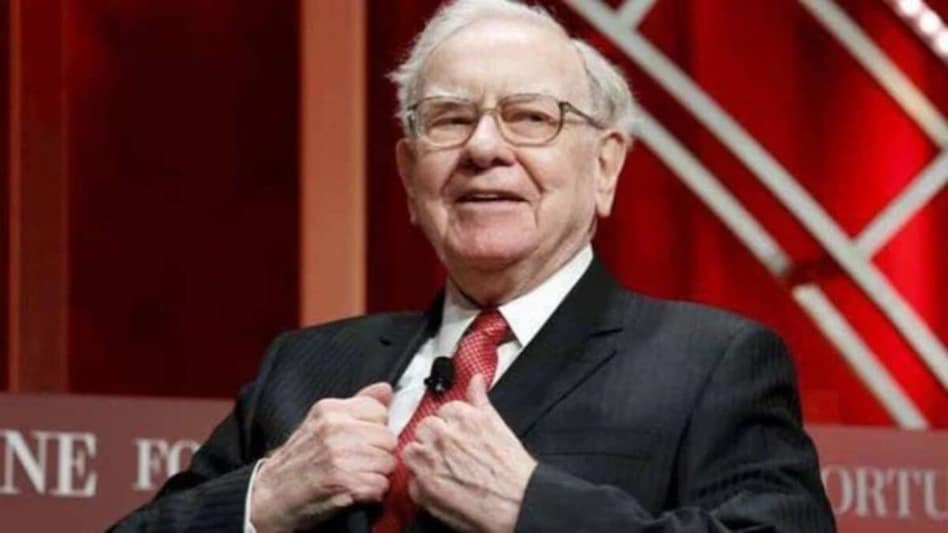
Warren Buffett is set to step down as chief executive of Berkshire Hathaway on December 31, bringing to a close one of the longest and most influential leadership tenures in modern corporate history. The transition will see Gregory Abel take over the top role at the $1 trillion conglomerate, marking a carefully planned handover at America’s ninth-most-valuable listed company.
Buffett’s exit as CEO ends a six-decade journey that transformed Berkshire Hathaway from a struggling New England textile mill into a sprawling business empire spanning insurance, railroads, utilities, consumer brands and financial investments. Under his stewardship, Berkshire grew into the second-largest property and casualty insurer in the United States and a controlling owner of nearly 200 operating businesses across industries.
The company’s operating footprint today is vast. Its assets include BNSF Railway, one of North America’s largest freight rail networks, a major regulated utilities portfolio, and well-known consumer brands such as See’s Candies and Brooks running shoes. Alongside these wholly owned businesses, Berkshire also holds a massive portfolio of marketable securities and cash, collectively valued at around $700 billion.
At the heart of Buffett’s legacy is his investment philosophy. Berkshire’s largest equity holdings reflect his long-standing preference for companies with durable competitive advantages -- what he famously calls “economic moats.”
Apple remains the single biggest position, valued at roughly $65 billion, followed by long-term stakes in American Express, Bank of America and Coca-Cola. Smaller but strategically important holdings include Moody’s, Visa and Mastercard, businesses that benefit from entrenched market positions and recurring demand.
Berkshire Hathaway’s equity portfolio
The company’s equity portfolio clearly mirrors Warren Buffett’s long-standing focus on businesses with strong and lasting competitive advantages. Its largest holdings span multiple sectors but share a common thread: dominant market positions, pricing power and high barriers to entry—what Buffett famously calls economic “moats.”
Company Stake Value Strategic Rationale
Apple $65 billion Exceptional brand strength and deep consumer loyalty
American Express $58 billion Network effects and durable franchise in payments and credit
Bank of America $32 billion Scale benefits and regulatory advantages in banking
Coca-Cola $28 billion Global brand, unmatched distribution and pricing power
Moody’s $13 billion Entrenched position in the credit-ratings market
Visa $3 billion Dominance in global payment processing infrastructure
Mastercard $2 billion Powerful financial services network and scale
Buffett’s personal fortune mirrors Berkshire’s rise. Even after donating tens of billions of dollars to charity, largely through the Giving Pledge, his remaining stake in the company is estimated to be worth over $125 billion. No other investor has built a comparable fortune from scratch purely through public market investing.
Berkshire’s performance
The numbers behind Berkshire’s performance underscore why Buffett’s tenure is often described as unparalleled. From 1964 to 2024, Berkshire shares compounded at nearly 20% annually, producing a cumulative return of more than 5.5 million percent. Over the same period, the S&P 500 delivered roughly half that annual return. The difference, compounded over decades, turned modest annual outperformance into extraordinary wealth creation.
A key structural advantage was Berkshire’s insurance business. Beginning with the acquisition of National Indemnity in 1967, insurance operations generated “float”—premium income that could be invested before claims were paid. This provided Buffett with a large, low-cost and flexible pool of capital, allowing him to invest through market cycles without facing the pressures that typically constrain fund managers.
Buffett’s approach also evolved over time. Early in his career, he focused on buying deeply undervalued stocks. Later, he shifted toward acquiring high-quality businesses at reasonable prices and holding them indefinitely. Patience, rather than frequent trading, became the defining feature of Berkshire’s strategy.
Today, Berkshire is sitting on close to $400 billion in cash, reflecting Buffett’s view that attractive opportunities are scarce at current valuations. It is a familiar posture—one he has adopted repeatedly before major market resets.
As Buffett prepares to hand over the reins, his influence remains deeply embedded in Berkshire’s culture. More than any single investment, his enduring legacy lies in demonstrating how discipline, structure and time can turn steady decision-making into generational wealth.
Warren Buffett is set to step down as chief executive of Berkshire Hathaway on December 31, bringing to a close one of the longest and most influential leadership tenures in modern corporate history. The transition will see Gregory Abel take over the top role at the $1 trillion conglomerate, marking a carefully planned handover at America’s ninth-most-valuable listed company.
Buffett’s exit as CEO ends a six-decade journey that transformed Berkshire Hathaway from a struggling New England textile mill into a sprawling business empire spanning insurance, railroads, utilities, consumer brands and financial investments. Under his stewardship, Berkshire grew into the second-largest property and casualty insurer in the United States and a controlling owner of nearly 200 operating businesses across industries.
The company’s operating footprint today is vast. Its assets include BNSF Railway, one of North America’s largest freight rail networks, a major regulated utilities portfolio, and well-known consumer brands such as See’s Candies and Brooks running shoes. Alongside these wholly owned businesses, Berkshire also holds a massive portfolio of marketable securities and cash, collectively valued at around $700 billion.
At the heart of Buffett’s legacy is his investment philosophy. Berkshire’s largest equity holdings reflect his long-standing preference for companies with durable competitive advantages -- what he famously calls “economic moats.”
Apple remains the single biggest position, valued at roughly $65 billion, followed by long-term stakes in American Express, Bank of America and Coca-Cola. Smaller but strategically important holdings include Moody’s, Visa and Mastercard, businesses that benefit from entrenched market positions and recurring demand.
Berkshire Hathaway’s equity portfolio
The company’s equity portfolio clearly mirrors Warren Buffett’s long-standing focus on businesses with strong and lasting competitive advantages. Its largest holdings span multiple sectors but share a common thread: dominant market positions, pricing power and high barriers to entry—what Buffett famously calls economic “moats.”
Company Stake Value Strategic Rationale
Apple $65 billion Exceptional brand strength and deep consumer loyalty
American Express $58 billion Network effects and durable franchise in payments and credit
Bank of America $32 billion Scale benefits and regulatory advantages in banking
Coca-Cola $28 billion Global brand, unmatched distribution and pricing power
Moody’s $13 billion Entrenched position in the credit-ratings market
Visa $3 billion Dominance in global payment processing infrastructure
Mastercard $2 billion Powerful financial services network and scale
Buffett’s personal fortune mirrors Berkshire’s rise. Even after donating tens of billions of dollars to charity, largely through the Giving Pledge, his remaining stake in the company is estimated to be worth over $125 billion. No other investor has built a comparable fortune from scratch purely through public market investing.
Berkshire’s performance
The numbers behind Berkshire’s performance underscore why Buffett’s tenure is often described as unparalleled. From 1964 to 2024, Berkshire shares compounded at nearly 20% annually, producing a cumulative return of more than 5.5 million percent. Over the same period, the S&P 500 delivered roughly half that annual return. The difference, compounded over decades, turned modest annual outperformance into extraordinary wealth creation.
A key structural advantage was Berkshire’s insurance business. Beginning with the acquisition of National Indemnity in 1967, insurance operations generated “float”—premium income that could be invested before claims were paid. This provided Buffett with a large, low-cost and flexible pool of capital, allowing him to invest through market cycles without facing the pressures that typically constrain fund managers.
Buffett’s approach also evolved over time. Early in his career, he focused on buying deeply undervalued stocks. Later, he shifted toward acquiring high-quality businesses at reasonable prices and holding them indefinitely. Patience, rather than frequent trading, became the defining feature of Berkshire’s strategy.
Today, Berkshire is sitting on close to $400 billion in cash, reflecting Buffett’s view that attractive opportunities are scarce at current valuations. It is a familiar posture—one he has adopted repeatedly before major market resets.
As Buffett prepares to hand over the reins, his influence remains deeply embedded in Berkshire’s culture. More than any single investment, his enduring legacy lies in demonstrating how discipline, structure and time can turn steady decision-making into generational wealth.