
Geopolitical volatility boosting user activity; Upstox not in rush for IPO: CEO Ravi Kumar
West Asia tensions has increased investor engagement on platforms, says Ravi Kumar, CEO and co-founder at Upstox.
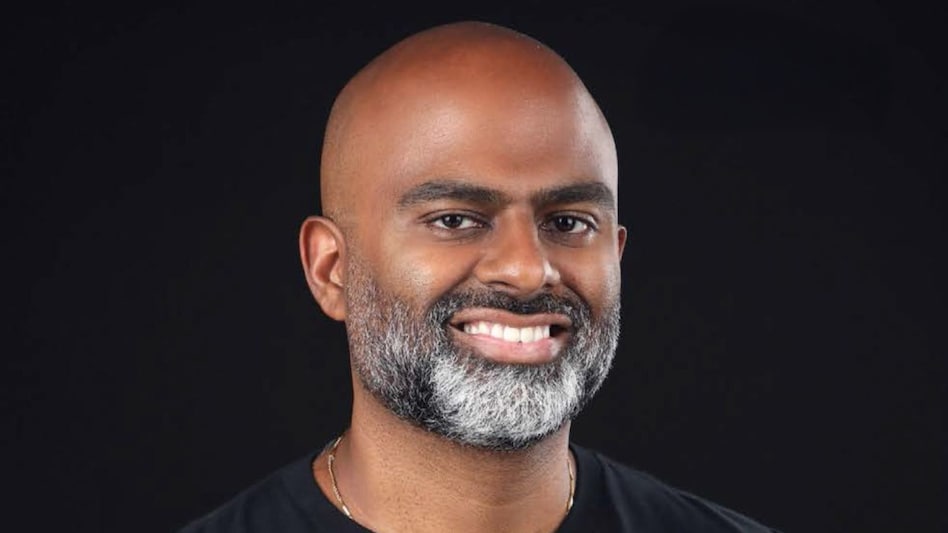
- Mar 13, 2026,
- Updated Mar 13, 2026 2:37 PM IST
West Asia tensions has increased investor engagement on platforms, says Ravi Kumar, CEO and co-founder at Upstox. He noted that tighter Securities and Exchange Board of India derivatives regulations could affect industry revenues, but Upstox is diversifying into commodities, insurance and asset management. He said the company is profitable and will go public only when the timing is right. Read the edited excerpts:
BT: The current volatility in West Asia has heavily impacted stock markets. How has it worked for Upstox in terms of orders and users? Do you think such events will separate men from the boys and only strong players will stay on the field in the coming days?
Kumar: Geopolitical volatility inevitably creates uncertainty in the markets, and the current developments in West Asia have led to sharper price movements across asset classes. Such phases typically increase engagement as investors track markets closely, rebalance portfolios, and respond to changing conditions, which can reflect in higher activity on platforms like Upstox.
Markets have recovered from similar shocks in the past. Investor behaviour also varies as some might see downturns as opportunities for long-term investing, while others may panic-sell. Volatility is part and parcel of markets.
BT: A large portion of revenue for discount brokers comes from derivatives trading. If tighter regulations from Securities and Exchange Board of India (SEBI) significantly reduce F&O activity, how will it impact revenue and business of Upstox?
Kumar: Our focus at Upstox is to build a diversified financial platform so growth does not depend on a single segment. Alongside equities and derivatives, we are seeing strong traction in other products. Our commodities business has grown nearly 400% in terms of monthly revenue, while the Margin Trading Facility (MTF) book has more than doubled year-over-year.We are also expanding into insurance distribution and applying for additional licences, including asset management, to broaden our platform and revenue mix over time.
Derivatives trading is a meaningful revenue stream for most discount brokers, so tighter regulations from the Securities and Exchange Board of India that significantly reduce F&O activity could have a near-term impact on industry revenues.
BT: Amid the rising uncertain environment, retail trading activity has cooled compared to the post-pandemic boom. What measures/steps are being taken to revive the volume and retail participation? How are you mitigating the competitive challenges from your peers?
Kumar: Retail participation in Indian equities is still not even in double digits, which shows there is significant scope for growth. What we have seen over the past five years is just the beginning. We view this opportunity in decadal terms rather than focusing on how many UCCs are generated each month.
We believe in India’s long-term growth story. Our focus is on building lasting trust through a reliable platform, strong technology and a wider range of investment and wealth offerings that help users participate in markets more confidently.
BT: Upstox has recently reported profits, but the brokerage industry is known for cyclical earnings linked to market activity. How sustainable are your margins if markets turn volatile or retail participation declines? What are your plans for the IPO? When can investors be part of your journey?
Kumar: Brokerage is inherently cyclical and linked to market activity, but over the past year we’ve worked to make our model far more resilient. Our ARPU has grown over 40% and retention among high-value traders is close to 90%, which anchors our revenue in a more engaged and durable segment. In FY26, EBITDA has grown nearly 120% year-on-year and PAT is tracking at more than 2x last year’s levels, with margins expanding meaningfully.
Profitability is being driven by stronger unit economics and operating discipline, not just buoyant markets. Diversification is also central to our strategy, with new revenue streams being explored in insurance, asset management and lending. As for an IPO, we are not in a rush. With a strong balance sheet and healthy cash flows, we will go public at the right time.
BT: Despite trading around yearly lows, Indian equity markets are trading at elevated valuations. Are you seeing any signs of retail investors becoming more cautious, or has trading activity remained resilient despite the rich valuations? What will be your suggestion to investors?
Kumar: Even though markets are near yearly lows, valuations in certain pockets remain elevated. What we’re seeing is not panic but a behavioural shift. Retail participation has become more selective and disciplined. The use of leverage has moderated, hedging activity has increased, and traders appear far more risk-aware compared to the peak euphoria phases.
Long-term participation, especially through SIPs, has remained relatively resilient, indicating that the Indian retail investor is gradually maturing and moving from momentum-driven activity to more structured investing.
For investors, the key is to respect valuations and manage risk carefully. Traders should focus on capital preservation and position sizing, while long-term investors should stick to asset allocation and staggered investing rather than trying to perfectly time the market.
BT: India has seen a surge in IPO activity with many listings coming at aggressive valuations. Are you concerned that if IPO performance weakens, retail participation on platforms like Upstox could drop sharply?
Kumar: IPO cycles, like market cycles, go through phases of enthusiasm and correction. When listings come at aggressive valuations, performance eventually starts differentiating between quality businesses and opportunistic issuances. We don’t view IPO participation as a standalone driver of retail engagement. If IPO performance weakens, there may be some short-term moderation in application volumes, but that doesn’t necessarily translate into a sharp drop in overall platform activity. Retail participation today spans equities, derivatives, commodities and long-term investing, making it far more diversified than in earlier cycles.
West Asia tensions has increased investor engagement on platforms, says Ravi Kumar, CEO and co-founder at Upstox. He noted that tighter Securities and Exchange Board of India derivatives regulations could affect industry revenues, but Upstox is diversifying into commodities, insurance and asset management. He said the company is profitable and will go public only when the timing is right. Read the edited excerpts:
BT: The current volatility in West Asia has heavily impacted stock markets. How has it worked for Upstox in terms of orders and users? Do you think such events will separate men from the boys and only strong players will stay on the field in the coming days?
Kumar: Geopolitical volatility inevitably creates uncertainty in the markets, and the current developments in West Asia have led to sharper price movements across asset classes. Such phases typically increase engagement as investors track markets closely, rebalance portfolios, and respond to changing conditions, which can reflect in higher activity on platforms like Upstox.
Markets have recovered from similar shocks in the past. Investor behaviour also varies as some might see downturns as opportunities for long-term investing, while others may panic-sell. Volatility is part and parcel of markets.
BT: A large portion of revenue for discount brokers comes from derivatives trading. If tighter regulations from Securities and Exchange Board of India (SEBI) significantly reduce F&O activity, how will it impact revenue and business of Upstox?
Kumar: Our focus at Upstox is to build a diversified financial platform so growth does not depend on a single segment. Alongside equities and derivatives, we are seeing strong traction in other products. Our commodities business has grown nearly 400% in terms of monthly revenue, while the Margin Trading Facility (MTF) book has more than doubled year-over-year.We are also expanding into insurance distribution and applying for additional licences, including asset management, to broaden our platform and revenue mix over time.
Derivatives trading is a meaningful revenue stream for most discount brokers, so tighter regulations from the Securities and Exchange Board of India that significantly reduce F&O activity could have a near-term impact on industry revenues.
BT: Amid the rising uncertain environment, retail trading activity has cooled compared to the post-pandemic boom. What measures/steps are being taken to revive the volume and retail participation? How are you mitigating the competitive challenges from your peers?
Kumar: Retail participation in Indian equities is still not even in double digits, which shows there is significant scope for growth. What we have seen over the past five years is just the beginning. We view this opportunity in decadal terms rather than focusing on how many UCCs are generated each month.
We believe in India’s long-term growth story. Our focus is on building lasting trust through a reliable platform, strong technology and a wider range of investment and wealth offerings that help users participate in markets more confidently.
BT: Upstox has recently reported profits, but the brokerage industry is known for cyclical earnings linked to market activity. How sustainable are your margins if markets turn volatile or retail participation declines? What are your plans for the IPO? When can investors be part of your journey?
Kumar: Brokerage is inherently cyclical and linked to market activity, but over the past year we’ve worked to make our model far more resilient. Our ARPU has grown over 40% and retention among high-value traders is close to 90%, which anchors our revenue in a more engaged and durable segment. In FY26, EBITDA has grown nearly 120% year-on-year and PAT is tracking at more than 2x last year’s levels, with margins expanding meaningfully.
Profitability is being driven by stronger unit economics and operating discipline, not just buoyant markets. Diversification is also central to our strategy, with new revenue streams being explored in insurance, asset management and lending. As for an IPO, we are not in a rush. With a strong balance sheet and healthy cash flows, we will go public at the right time.
BT: Despite trading around yearly lows, Indian equity markets are trading at elevated valuations. Are you seeing any signs of retail investors becoming more cautious, or has trading activity remained resilient despite the rich valuations? What will be your suggestion to investors?
Kumar: Even though markets are near yearly lows, valuations in certain pockets remain elevated. What we’re seeing is not panic but a behavioural shift. Retail participation has become more selective and disciplined. The use of leverage has moderated, hedging activity has increased, and traders appear far more risk-aware compared to the peak euphoria phases.
Long-term participation, especially through SIPs, has remained relatively resilient, indicating that the Indian retail investor is gradually maturing and moving from momentum-driven activity to more structured investing.
For investors, the key is to respect valuations and manage risk carefully. Traders should focus on capital preservation and position sizing, while long-term investors should stick to asset allocation and staggered investing rather than trying to perfectly time the market.
BT: India has seen a surge in IPO activity with many listings coming at aggressive valuations. Are you concerned that if IPO performance weakens, retail participation on platforms like Upstox could drop sharply?
Kumar: IPO cycles, like market cycles, go through phases of enthusiasm and correction. When listings come at aggressive valuations, performance eventually starts differentiating between quality businesses and opportunistic issuances. We don’t view IPO participation as a standalone driver of retail engagement. If IPO performance weakens, there may be some short-term moderation in application volumes, but that doesn’t necessarily translate into a sharp drop in overall platform activity. Retail participation today spans equities, derivatives, commodities and long-term investing, making it far more diversified than in earlier cycles.