
Not all IPOs gold; opt discipline over FOMO in market, says Ashok Jain of Arihant Capital
Reflecting on Q1FY26 earnings, he highlighted cement as a bright spot amid sluggish IT and banking performance. Jain cautioned that Trump tariffs pose risks to export-oriented sectors.
- Sep 4, 2025,
- Updated Sep 4, 2025 11:58 AM IST
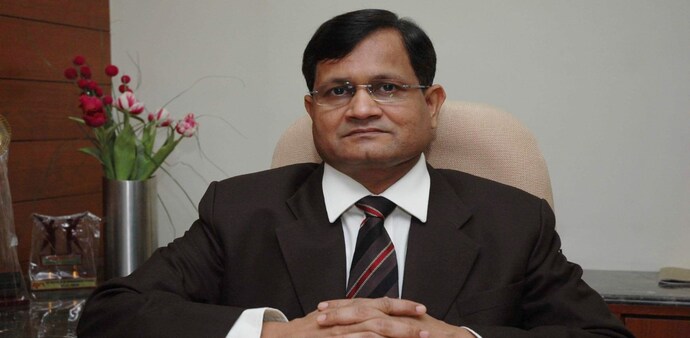
Indian equity market continue to remain jittery. Benchmark indices could not hold on the rally and gave up gains on Thursday as GST rationalization euphoria settled. However, market participants continue to remain positive on select pockets. In a conversation with Business Today, Ashok Jain, Chairman at Arihant Capital Markets, shared his views on the evolving market landscape.
Reflecting on Q1FY26 earnings, he highlighted cement as a bright spot amid sluggish IT and banking performance. Jain cautioned that Trump tariffs pose risks to export-oriented sectors, though selective opportunities remain. On IPOs, he advised investors to prioritize fundamentals with discipline over frenzy, especially in SME issues. While near-term caution is warranted due to global and domestic uncertainties, he believes long-term investors can benefit from consumption, cement, and healthcare plays, with disciplined SIPs and thematic funds offering resilience.
Q1. Earnings season just wrapped up — what are the biggest takeaways for investors? What were the biggest hits and misses? Which sectors have emerged as earnings outperformers and which ones have disappointed?
Ans: The Q1FY26 earnings were a mixed bag. Aggregate non-financial sales growth slowed to 5.5%, one of the weakest in nine quarters. IT companies like TCS and Wipro disappointed with revenue declines, while banks saw margin compression and higher credit costs. Cement stood out as a positive performer, driven by rural demand and government infrastructure spending.
Q2. Trump tariffs are making headlines — how much can they actually impact Indian stocks? Do you see near-term volatility in equities due to these tariff risks, or India has seen the worst of tariff tantrums? Do you see opportunities in export-oriented sectors despite these global trade concerns?
Ans: Trump tariffs remain a key risk for Indian equities. Sectors like textiles and auto components are already feeling the pressure, and uncertainty persists on whether 50% tariffs are the peak. Export-oriented firms with low U.S. dependence may still outperform. Near-term volatility is likely, but selective opportunities exist in companies targeting European markets or with diversified export bases.
Q3. IPOs are drawing huge demand — What’s your outlook for primary markets in the coming quarters? Should retail investors jump into every issue? What red flags should investors keep in mind before applying for new IPOs?
Ans: While IPO demand remains strong, recent listings like Vikram Solar and Gem Aromatics struggled to sustain premiums, highlighting risks of weak follow-up buying. Retail investors shouldn’t chase every IPO blindly. Quality over hype matters, focus on fundamentals, valuation, and sector strength. SME IPOs need caution as they’ve shown limited liquidity and investor support.
Q4. What domestic triggers could move the market next, in say 6-9 months? Should investors stay cautious in the short term, or is this a good time to accumulate quality stocks, considering the proposed consumption boost by the Government of India?
Ans: Key domestic triggers in the coming months include rural consumption recovery, GST-driven demand, and the impact of monsoons and floods. Q1 GDP was slightly better, largely due to government spending. While short-term caution is warranted, long-term investors can accumulate quality stocks in consumption, cement, and healthcare sectors, as policy and rural demand may support growth.
Q5. Do you expect FPI flows returning to India? What are the key drivers behind the recent outflows in FPI inflows into Indian equities and what can bring them back?
Ans: FPIs remain in selling mode, pressured by global uncertainty and stretched Indian valuations versus global peers. Selling could intensify without clarity on tariffs. However, stable domestic fundamentals and policy support could bring flows back. Stock-specific opportunities look stronger than broad market bets. Domestic themes may provide a cushion until FPIs regain confidence in Indian valuations.
Q6. What kind of strategy would you suggest for small investors - SIPs, stock picking, or thematic funds? What are your top picks from large cap, midcap and small cap space? Can you please share some with us?
Ans: Small investors should focus on disciplined investing via SIPs or diversified thematic funds rather than chasing short-term rallies. Stock picking works for those with patience and those who have the skill and time to conduct in-depth research of companies and track them regularly. Large caps in cement, midcaps in healthcare and pharma, and select small cap FMCG or consumption plays look attractive. Staying invested in resilient domestic demand-driven themes is the best strategy.
Indian equity market continue to remain jittery. Benchmark indices could not hold on the rally and gave up gains on Thursday as GST rationalization euphoria settled. However, market participants continue to remain positive on select pockets. In a conversation with Business Today, Ashok Jain, Chairman at Arihant Capital Markets, shared his views on the evolving market landscape.
Reflecting on Q1FY26 earnings, he highlighted cement as a bright spot amid sluggish IT and banking performance. Jain cautioned that Trump tariffs pose risks to export-oriented sectors, though selective opportunities remain. On IPOs, he advised investors to prioritize fundamentals with discipline over frenzy, especially in SME issues. While near-term caution is warranted due to global and domestic uncertainties, he believes long-term investors can benefit from consumption, cement, and healthcare plays, with disciplined SIPs and thematic funds offering resilience.
Q1. Earnings season just wrapped up — what are the biggest takeaways for investors? What were the biggest hits and misses? Which sectors have emerged as earnings outperformers and which ones have disappointed?
Ans: The Q1FY26 earnings were a mixed bag. Aggregate non-financial sales growth slowed to 5.5%, one of the weakest in nine quarters. IT companies like TCS and Wipro disappointed with revenue declines, while banks saw margin compression and higher credit costs. Cement stood out as a positive performer, driven by rural demand and government infrastructure spending.
Q2. Trump tariffs are making headlines — how much can they actually impact Indian stocks? Do you see near-term volatility in equities due to these tariff risks, or India has seen the worst of tariff tantrums? Do you see opportunities in export-oriented sectors despite these global trade concerns?
Ans: Trump tariffs remain a key risk for Indian equities. Sectors like textiles and auto components are already feeling the pressure, and uncertainty persists on whether 50% tariffs are the peak. Export-oriented firms with low U.S. dependence may still outperform. Near-term volatility is likely, but selective opportunities exist in companies targeting European markets or with diversified export bases.
Q3. IPOs are drawing huge demand — What’s your outlook for primary markets in the coming quarters? Should retail investors jump into every issue? What red flags should investors keep in mind before applying for new IPOs?
Ans: While IPO demand remains strong, recent listings like Vikram Solar and Gem Aromatics struggled to sustain premiums, highlighting risks of weak follow-up buying. Retail investors shouldn’t chase every IPO blindly. Quality over hype matters, focus on fundamentals, valuation, and sector strength. SME IPOs need caution as they’ve shown limited liquidity and investor support.
Q4. What domestic triggers could move the market next, in say 6-9 months? Should investors stay cautious in the short term, or is this a good time to accumulate quality stocks, considering the proposed consumption boost by the Government of India?
Ans: Key domestic triggers in the coming months include rural consumption recovery, GST-driven demand, and the impact of monsoons and floods. Q1 GDP was slightly better, largely due to government spending. While short-term caution is warranted, long-term investors can accumulate quality stocks in consumption, cement, and healthcare sectors, as policy and rural demand may support growth.
Q5. Do you expect FPI flows returning to India? What are the key drivers behind the recent outflows in FPI inflows into Indian equities and what can bring them back?
Ans: FPIs remain in selling mode, pressured by global uncertainty and stretched Indian valuations versus global peers. Selling could intensify without clarity on tariffs. However, stable domestic fundamentals and policy support could bring flows back. Stock-specific opportunities look stronger than broad market bets. Domestic themes may provide a cushion until FPIs regain confidence in Indian valuations.
Q6. What kind of strategy would you suggest for small investors - SIPs, stock picking, or thematic funds? What are your top picks from large cap, midcap and small cap space? Can you please share some with us?
Ans: Small investors should focus on disciplined investing via SIPs or diversified thematic funds rather than chasing short-term rallies. Stock picking works for those with patience and those who have the skill and time to conduct in-depth research of companies and track them regularly. Large caps in cement, midcaps in healthcare and pharma, and select small cap FMCG or consumption plays look attractive. Staying invested in resilient domestic demand-driven themes is the best strategy.