
NSE EGR FAQs: Gold investors alert! Summary of important queries for ease of understanding
NSE provides the trading platform for EGRs and handles transparent price discovery, order matching, market surveillance and orderly trading under the applicable regulatory framework.
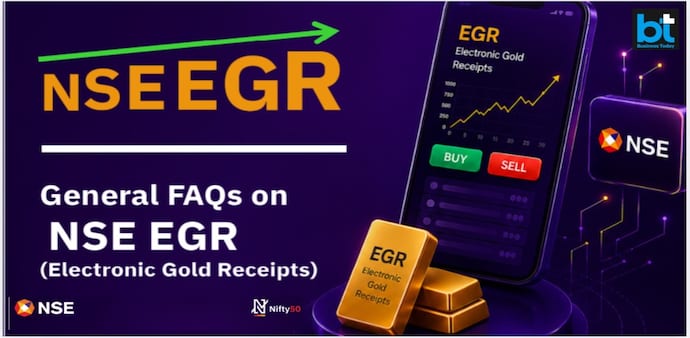
- May 19, 2026,
- Updated May 19, 2026 2:59 PM IST
The National Stock Exchange has introduced its Electronic Gold Receipt, or EGR, segment from May 4, 2026, giving investors a new route to hold and trade gold on the exchange in demat form. However, it began trading on Monday, May 18, 2026.
The product is built around physical gold kept with SEBI-registered vault managers, but it moves through the market like a security. The framework covers retail investors, jewellers, bullion traders, refiners, institutional participants, Foreign Portfolio Investors and other eligible market participants. At the centre of the framework is a simple point: an EGR is a dematerialised security that represents ownership of underlying physical gold.
It can be bought and sold on NSE through registered and enabled members, reflected in a demat account, and converted into physical gold through the prescribed process. NSE has also made it clear that an EGR is different from a Gold ETF, which tracks gold prices but does not represent direct ownership of underlying physical gold by the unit holder.
What EGRs are and how they are backed An Electronic Gold Receipt represents physical gold deposited with a SEBI-registered vault manager. Each EGR is backed by corresponding physical gold stored in the vault system. Depositories coordinate the creation, holding, transfer and withdrawal or extinguishment of EGRs. The vault manager and depositories reconcile the EGRs created with the physical gold lying in the vaults, and depositories also inspect the physical gold deposited there.
The gold deposited for creation of EGRs must meet the LBMA Good Delivery Standard or the India Good Delivery Standards, in line with NSE product specifications under 999 and 995 purity categories. The certificate of purity is issued by the exchange-accredited refiner, while the vault manager is responsible for maintaining the purity and weight of the gold deposited against EGRs.
How an EGR is created and traded The process starts when physical gold is deposited with a SEBI-registered vault manager. After due diligence of the deposit process, the vault manager initiates creation of the EGR, which is then credited in demat form through the depository framework. Once created, it reflects in the demat account of the beneficial owner maintained by the Depository Participant.
NSE provides the trading platform for EGRs and handles transparent price discovery, order matching, market surveillance and orderly trading under the applicable regulatory framework. NSE Clearing Ltd, or NCL, acts as the clearing corporation for the EGR segment and provides the clearing and settlement-related membership framework for self-clearing, clearing and professional clearing members. NCL settles EGR trades by transferring EGRs and cash to the buyer and seller respectively. Risk management measures such as VaR, Extreme Loss Margin, mark-to-market and other controls apply.
Who can trade and what investors need NSE has said retail investors, jewellers, bullion traders, refiners, institutional participants, FPIs and other eligible market participants can trade EGRs through exchange-registered members. Clients do not need to own physical gold to trade EGRs on the exchange. They can trade electronically like other securities by registering with an exchange-registered member and opening a demat account. Physical gold is required only when an EGR is being created by depositing gold.
A demat account is compulsory because EGRs are held and settled in demat form. Any member registered and enabled for the EGR segment by NSE can onboard clients for this product. EGRs will appear on a broker’s app only if that member is enabled for the NSE EGR segment and has made the product available on its trading platform.
Buying EGRs on the exchange For investors looking to buy EGRs, the route is similar to other securities, with a few product-specific checks. The investor must first have a demat account and trade through an exchange-registered member. Where gold is being surrendered for conversion into EGRs, vault managers may require KYC, source, ownership and documentation checks under their standard operating procedures, anti-money laundering norms and regulatory requirements.
EGR trading on NSE is available in denominations of 100 grams, 10 grams, 1 gram and 100 milligrams under both 999 and 995 purity categories. Trading timings are Monday to Friday from 9 am to 11.30 pm or 11.55 pm, depending on the US daylight saving period on NSE. Settlement is on a T+1 rolling basis, and delivery in demat form is compulsory for positions heading into settlement on T+1 day. For exchange trades, the broker will issue the normal contract note or trade confirmation used for securities market transactions, and the EGR transaction will also reflect in the demat account statement.
What gold can enter the EGR system Not every form of gold can be converted into an EGR. Only the purity and denomination specified in NSE’s product specifications are eligible. NSE recognises two routes for gold to enter the EGR ecosystem: imported gold stored with a registered vault manager, and gold refined by NSE-accredited domestic refineries.
Jewellery is not the standard eligible form. It can be accepted only if it is refined or converted into acceptable standard gold through an NSE-accredited refiner. NSE has also said the vault addresses for deposit and withdrawal activity will be provided by the respective vault managers.
Converting EGRs back into physical gold The beneficial owner can convert EGRs into physical gold by submitting a withdrawal request through the depository or through the prescribed withdrawal process. The depository forwards the request to the vault manager, and after the process is completed, physical gold is delivered and the corresponding EGR is extinguished. The same route applies even if the investor continues to hold the EGR for some time and later decides to take delivery.
NSE has clarified that the investor will not receive the same coin or bar back. An EGR is not linked to a specific bar or article. On withdrawal, the investor receives gold of the same purity and weight represented by the EGR, but not the same physical coin or bar. Where there are quality concerns at the time of delivery, the client can request assaying before taking physical gold. If the assayer certifies that the gold is not of the specified quality, the concerned accredited refinery will make good the loss to the beneficial owner.
Charges, settlement flow and regulation NSE has said exchange transaction charges for EGR trading will be nil for the first six months, from May 4, 2026, to November 3, 2026. After that, transaction charges will be specified through exchange circulars and may change from time to time. Other costs may include brokerage, storage and withdrawal charges, depository fees, and applicable taxes or statutory levies.
On the funds side, NCL executes the funds and EGR settlement of trades on the NSE EGR segment. The clearing bank debits the paying members’ account and credits the receiving members’ settlement account on the settlement day on the basis of electronic instructions from NCL.
NSE has also said EGRs are covered under the SEBI framework and are regulated market instruments traded on its platform. In the event of a broker default, EGR trades are guaranteed by the clearing corporation through the settlement guarantee mechanism. After settlement, the EGR units are credited to the participant’s demat account, and the trades are stated to be immune to broker default. The EGR framework brings physical gold into a regulated, transparent, demat and exchange-traded system. It allows investors to buy and sell gold-backed receipts on the exchange, hold them in demat form, and convert them into physical gold through the prescribed process. With defined purity standards, denominations ranging from 100 grams to 100 milligrams, T+1 settlement, exchange-backed clearing and specified roles for vault managers, depositories, NSE and NCL, the product opens a new route for gold transactions while leaving investors to weigh charges, access and withdrawal processes before trading.
The National Stock Exchange has introduced its Electronic Gold Receipt, or EGR, segment from May 4, 2026, giving investors a new route to hold and trade gold on the exchange in demat form. However, it began trading on Monday, May 18, 2026.
The product is built around physical gold kept with SEBI-registered vault managers, but it moves through the market like a security. The framework covers retail investors, jewellers, bullion traders, refiners, institutional participants, Foreign Portfolio Investors and other eligible market participants. At the centre of the framework is a simple point: an EGR is a dematerialised security that represents ownership of underlying physical gold.
It can be bought and sold on NSE through registered and enabled members, reflected in a demat account, and converted into physical gold through the prescribed process. NSE has also made it clear that an EGR is different from a Gold ETF, which tracks gold prices but does not represent direct ownership of underlying physical gold by the unit holder.
What EGRs are and how they are backed An Electronic Gold Receipt represents physical gold deposited with a SEBI-registered vault manager. Each EGR is backed by corresponding physical gold stored in the vault system. Depositories coordinate the creation, holding, transfer and withdrawal or extinguishment of EGRs. The vault manager and depositories reconcile the EGRs created with the physical gold lying in the vaults, and depositories also inspect the physical gold deposited there.
The gold deposited for creation of EGRs must meet the LBMA Good Delivery Standard or the India Good Delivery Standards, in line with NSE product specifications under 999 and 995 purity categories. The certificate of purity is issued by the exchange-accredited refiner, while the vault manager is responsible for maintaining the purity and weight of the gold deposited against EGRs.
How an EGR is created and traded The process starts when physical gold is deposited with a SEBI-registered vault manager. After due diligence of the deposit process, the vault manager initiates creation of the EGR, which is then credited in demat form through the depository framework. Once created, it reflects in the demat account of the beneficial owner maintained by the Depository Participant.
NSE provides the trading platform for EGRs and handles transparent price discovery, order matching, market surveillance and orderly trading under the applicable regulatory framework. NSE Clearing Ltd, or NCL, acts as the clearing corporation for the EGR segment and provides the clearing and settlement-related membership framework for self-clearing, clearing and professional clearing members. NCL settles EGR trades by transferring EGRs and cash to the buyer and seller respectively. Risk management measures such as VaR, Extreme Loss Margin, mark-to-market and other controls apply.
Who can trade and what investors need NSE has said retail investors, jewellers, bullion traders, refiners, institutional participants, FPIs and other eligible market participants can trade EGRs through exchange-registered members. Clients do not need to own physical gold to trade EGRs on the exchange. They can trade electronically like other securities by registering with an exchange-registered member and opening a demat account. Physical gold is required only when an EGR is being created by depositing gold.
A demat account is compulsory because EGRs are held and settled in demat form. Any member registered and enabled for the EGR segment by NSE can onboard clients for this product. EGRs will appear on a broker’s app only if that member is enabled for the NSE EGR segment and has made the product available on its trading platform.
Buying EGRs on the exchange For investors looking to buy EGRs, the route is similar to other securities, with a few product-specific checks. The investor must first have a demat account and trade through an exchange-registered member. Where gold is being surrendered for conversion into EGRs, vault managers may require KYC, source, ownership and documentation checks under their standard operating procedures, anti-money laundering norms and regulatory requirements.
EGR trading on NSE is available in denominations of 100 grams, 10 grams, 1 gram and 100 milligrams under both 999 and 995 purity categories. Trading timings are Monday to Friday from 9 am to 11.30 pm or 11.55 pm, depending on the US daylight saving period on NSE. Settlement is on a T+1 rolling basis, and delivery in demat form is compulsory for positions heading into settlement on T+1 day. For exchange trades, the broker will issue the normal contract note or trade confirmation used for securities market transactions, and the EGR transaction will also reflect in the demat account statement.
What gold can enter the EGR system Not every form of gold can be converted into an EGR. Only the purity and denomination specified in NSE’s product specifications are eligible. NSE recognises two routes for gold to enter the EGR ecosystem: imported gold stored with a registered vault manager, and gold refined by NSE-accredited domestic refineries.
Jewellery is not the standard eligible form. It can be accepted only if it is refined or converted into acceptable standard gold through an NSE-accredited refiner. NSE has also said the vault addresses for deposit and withdrawal activity will be provided by the respective vault managers.
Converting EGRs back into physical gold The beneficial owner can convert EGRs into physical gold by submitting a withdrawal request through the depository or through the prescribed withdrawal process. The depository forwards the request to the vault manager, and after the process is completed, physical gold is delivered and the corresponding EGR is extinguished. The same route applies even if the investor continues to hold the EGR for some time and later decides to take delivery.
NSE has clarified that the investor will not receive the same coin or bar back. An EGR is not linked to a specific bar or article. On withdrawal, the investor receives gold of the same purity and weight represented by the EGR, but not the same physical coin or bar. Where there are quality concerns at the time of delivery, the client can request assaying before taking physical gold. If the assayer certifies that the gold is not of the specified quality, the concerned accredited refinery will make good the loss to the beneficial owner.
Charges, settlement flow and regulation NSE has said exchange transaction charges for EGR trading will be nil for the first six months, from May 4, 2026, to November 3, 2026. After that, transaction charges will be specified through exchange circulars and may change from time to time. Other costs may include brokerage, storage and withdrawal charges, depository fees, and applicable taxes or statutory levies.
On the funds side, NCL executes the funds and EGR settlement of trades on the NSE EGR segment. The clearing bank debits the paying members’ account and credits the receiving members’ settlement account on the settlement day on the basis of electronic instructions from NCL.
NSE has also said EGRs are covered under the SEBI framework and are regulated market instruments traded on its platform. In the event of a broker default, EGR trades are guaranteed by the clearing corporation through the settlement guarantee mechanism. After settlement, the EGR units are credited to the participant’s demat account, and the trades are stated to be immune to broker default. The EGR framework brings physical gold into a regulated, transparent, demat and exchange-traded system. It allows investors to buy and sell gold-backed receipts on the exchange, hold them in demat form, and convert them into physical gold through the prescribed process. With defined purity standards, denominations ranging from 100 grams to 100 milligrams, T+1 settlement, exchange-backed clearing and specified roles for vault managers, depositories, NSE and NCL, the product opens a new route for gold transactions while leaving investors to weigh charges, access and withdrawal processes before trading.