
Sebi may ease margin requirements for longer-tenure F&O products
Sebi wants to make markets easier to access, but while preserving the trust, said Tuhin Kanta Pandey
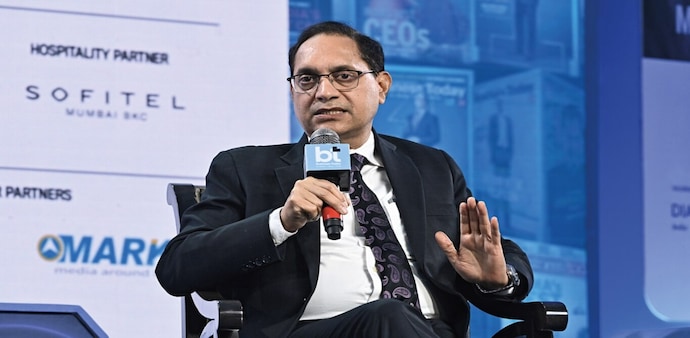
- Sep 23, 2026,
- Updated Sep 23, 2026 9:13 PM IST
The Securities and Exchange Board of India (Sebi) may examine if margin requirements for longer-tenure derivative products could be rationalised, chairman Tuhin Kanta Pandey said on Wednesday.
The move could encourage healthier long-term F&O (futures and options) participation, he said while speaking on the sidelines of the SBI Banking and Economics Conclave.
This comes at a time when the regulator has been publishing studies on the losses incurred by retail traders in F&O, and several steps have been taken in the past to curb F&O trading to reduce speculation.
Read More: Fair case for the rupee to not just stabilise, but even appreciate: RBI Deputy Governor
During the session earlier in the day, he said the regulator wants to make markets easier to access, while preserving the trust on which those markets are built.
"The broader principle is straightforward. Ease of doing business and investor protection are not competing objectives. Optimum regulation can reduce unnecessary friction," he said.
He noted that IPO timelines have become shorter. Rights issues have been made faster. Listing requirements have been rationalised for large issuers.
In the alternative investment space, a fast-track mechanism has been introduced to reduce time to market for fund launches. Greater regulatory flexibility has also been enabled for schemes meant exclusively for accredited investors, he pointed.
In Case You Missed It: Why the principal secretary to the Prime Minister feels India can't be complacent despite strong economic fundamentals
The Sebi chief, however, opined that easier access to capital has to be accompanied by informed participation. It was particularly important as new investors enter markets and new products become available to them, he said.
"We have proposed a standardised, colour-coded credit risk-o-meter for debt securities to make credit risk easier for investors to understand. We have also proposed a review of the Accredited Investor Framework to broaden access for sophisticated investors, expand the pool of domestic and foreign risk capital, and further strengthen the market ecosystem," Pandey explained.
While Indian financial markets have grown substantially, there was a need to ask if they were getting deeper and was adequate long-term capital pool being created, he said.
"India has demonstrated considerable economic resilience. Its ambitions for the coming decade are even larger. Financing those ambitions will require a financial system that is not merely bigger, but deeper, more diverse, efficient, resilient, and trusted," Pandey said.
The Securities and Exchange Board of India (Sebi) may examine if margin requirements for longer-tenure derivative products could be rationalised, chairman Tuhin Kanta Pandey said on Wednesday.
The move could encourage healthier long-term F&O (futures and options) participation, he said while speaking on the sidelines of the SBI Banking and Economics Conclave.
This comes at a time when the regulator has been publishing studies on the losses incurred by retail traders in F&O, and several steps have been taken in the past to curb F&O trading to reduce speculation.
Read More: Fair case for the rupee to not just stabilise, but even appreciate: RBI Deputy Governor
During the session earlier in the day, he said the regulator wants to make markets easier to access, while preserving the trust on which those markets are built.
"The broader principle is straightforward. Ease of doing business and investor protection are not competing objectives. Optimum regulation can reduce unnecessary friction," he said.
He noted that IPO timelines have become shorter. Rights issues have been made faster. Listing requirements have been rationalised for large issuers.
In the alternative investment space, a fast-track mechanism has been introduced to reduce time to market for fund launches. Greater regulatory flexibility has also been enabled for schemes meant exclusively for accredited investors, he pointed.
In Case You Missed It: Why the principal secretary to the Prime Minister feels India can't be complacent despite strong economic fundamentals
The Sebi chief, however, opined that easier access to capital has to be accompanied by informed participation. It was particularly important as new investors enter markets and new products become available to them, he said.
"We have proposed a standardised, colour-coded credit risk-o-meter for debt securities to make credit risk easier for investors to understand. We have also proposed a review of the Accredited Investor Framework to broaden access for sophisticated investors, expand the pool of domestic and foreign risk capital, and further strengthen the market ecosystem," Pandey explained.
While Indian financial markets have grown substantially, there was a need to ask if they were getting deeper and was adequate long-term capital pool being created, he said.
"India has demonstrated considerable economic resilience. Its ambitions for the coming decade are even larger. Financing those ambitions will require a financial system that is not merely bigger, but deeper, more diverse, efficient, resilient, and trusted," Pandey said.